Chiricahua National Monument: The Big Loop Trail

Experience Chiricahua National Monument on the Big Loop Trail

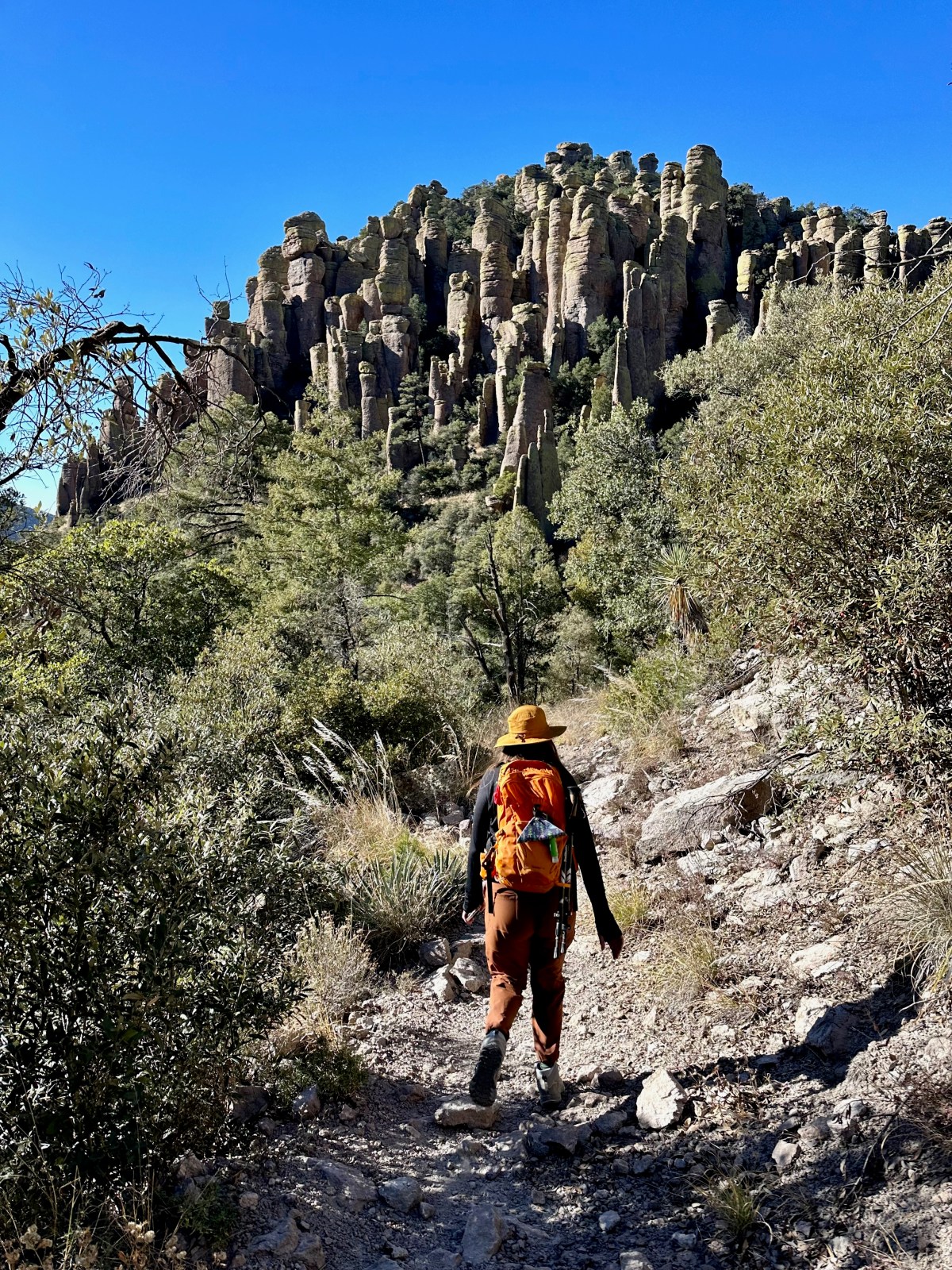
Chiricahua National Monument, about 3.5 hours southeast of Phoenix, is one of Arizona’s most unique hiking destinations. Known for its massive hoodoos, lush canyons, and dramatic rock formations, this park is a must-visit! The Big Loop Trail is the ultimate way to experience the monument, covering over nine miles and passing through Echo Canyon, Heart of Rocks, Big Balanced Rock, and Hunt Canyon.

This is a long, strenuous hike with 2,000+ feet of elevation gain, but it rewards you with some of the most breathtaking views in the state. Below is our guide for how to get there, what to expect, and how to plan a successful hike.

How to Get to Chiricahua National Monument and Where to Stay

Chiricahua National Monument is about 3.5 hours from Phoenix and just over two hours from Tucson. You can absolutely do this as a day trip, but we recommend staying nearby to get an early start and enjoy the park without rushing.

  • Willcox, Arizona – This is the closest town with hotels and restaurants, only about 40 minutes from the park. We’ve stayed here before, and it made it much easier to start our hike early.

  • Tombstone or Bisbee – If you want to turn your trip into a weekend adventure, staying in one of these historic mining towns. Both are about 1.5–2 hours from the park and have plenty of Old West charm.

  • Camping in Chiricahua National MonumentBonita Canyon Campground is the park’s only campground and a great option. Reservations are recommended, especially in spring and fall when temperatures are perfect.

We stayed in Tucson at Hotel Congress on one of our trips because we wanted to explore Tucson too. This made it a longer drive the morning of our hike, but it was worth it for the extra activities.

Why Hike the Big Loop in Chiricahua National Monument

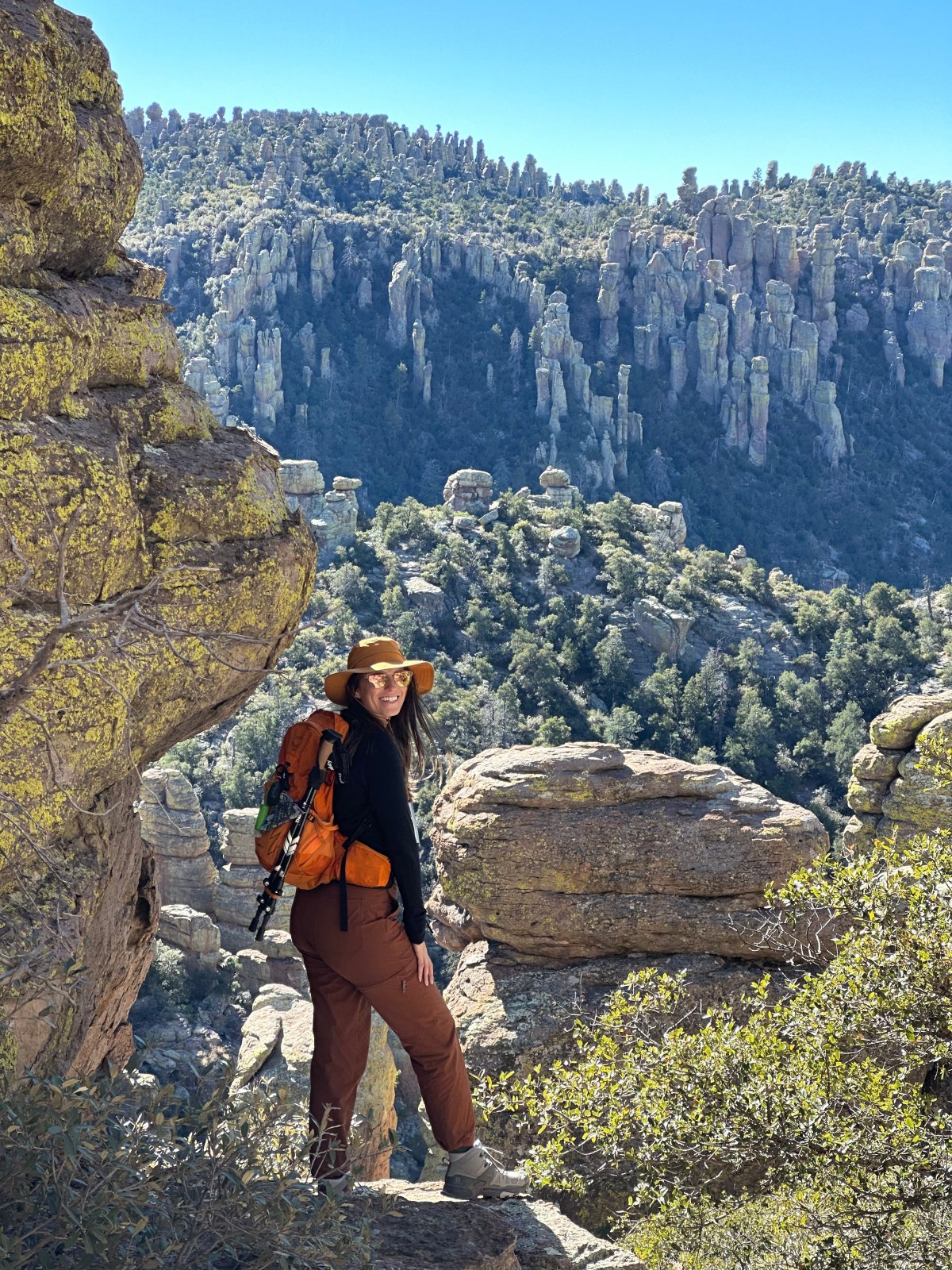
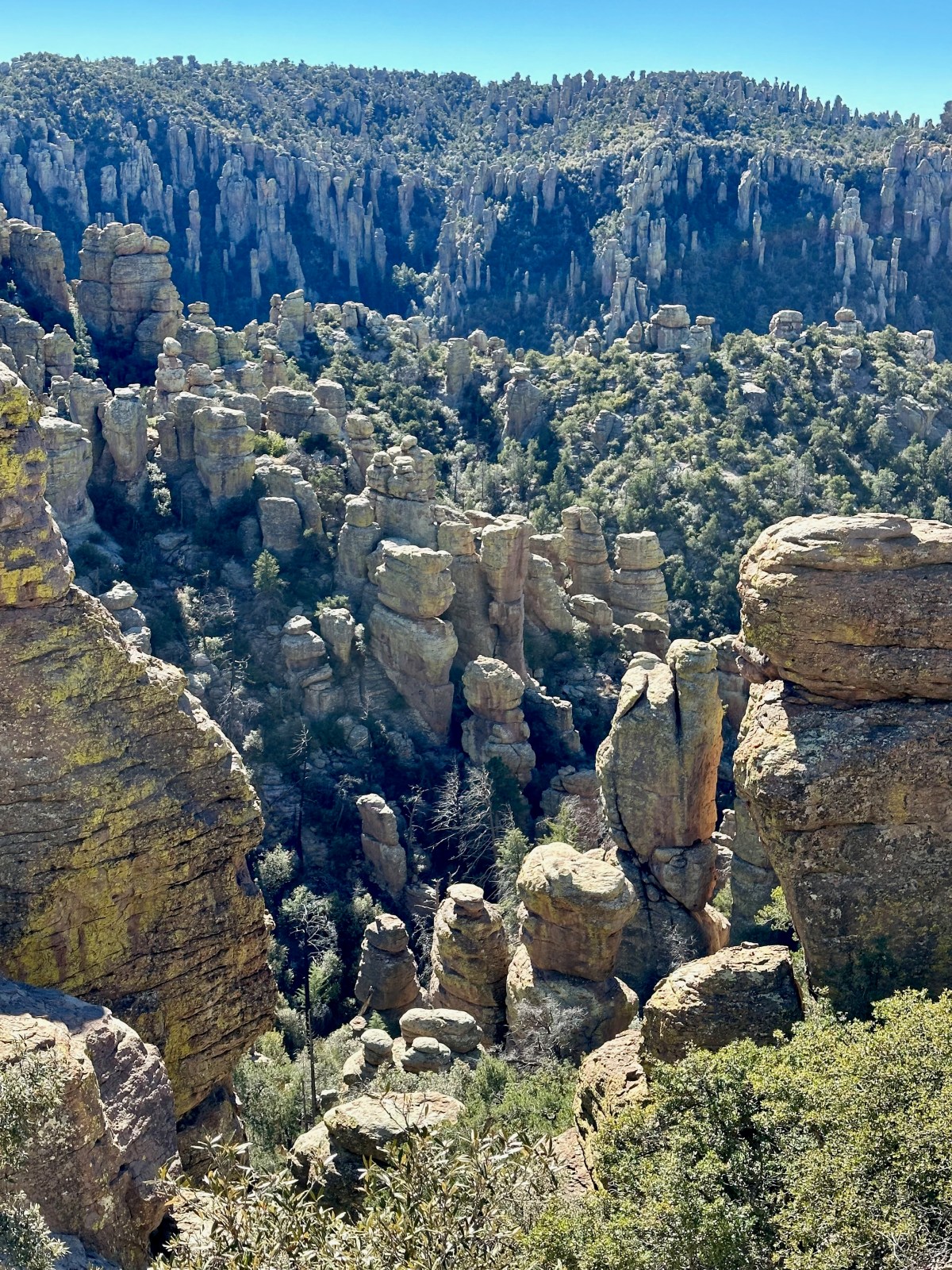
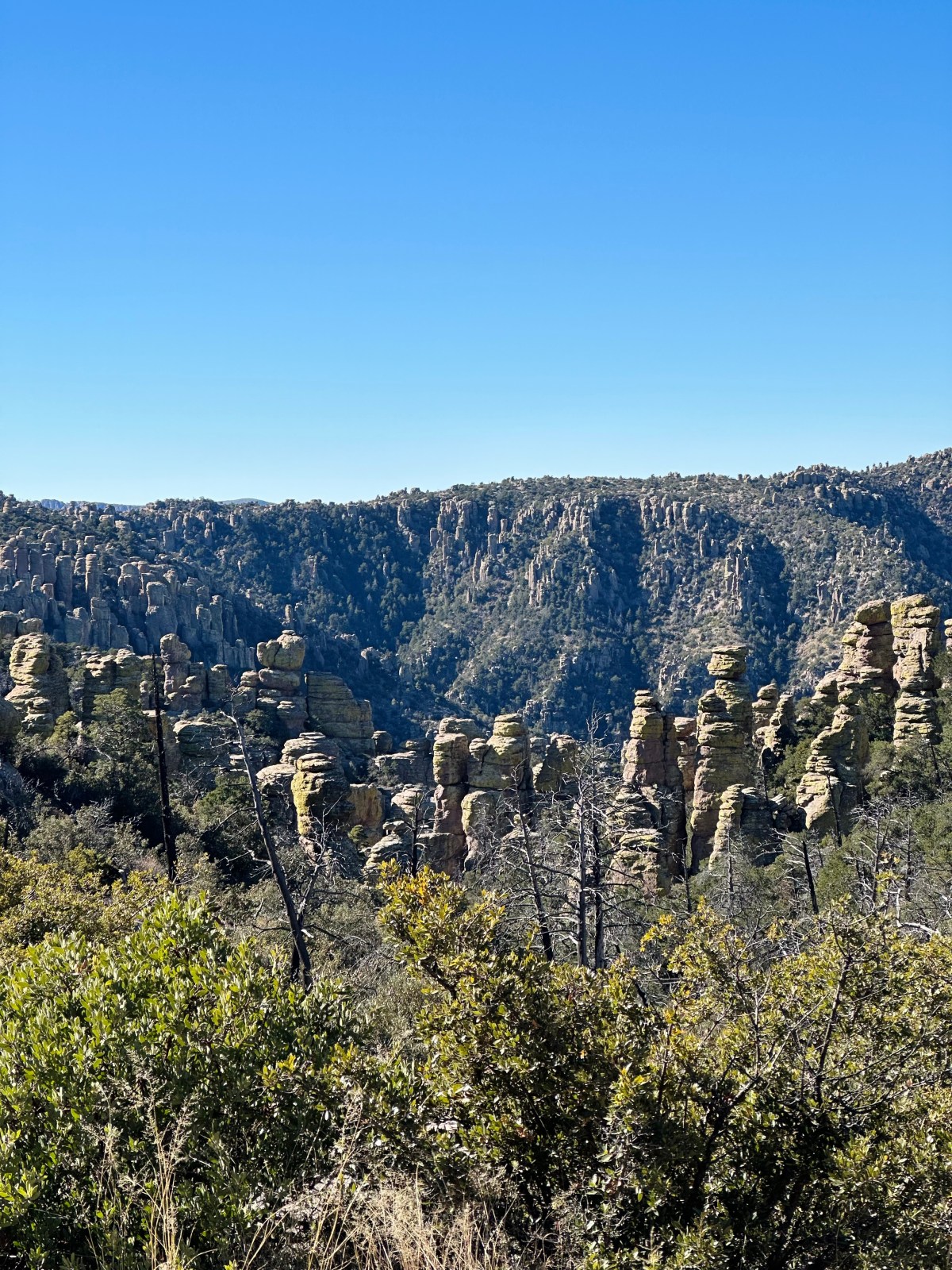
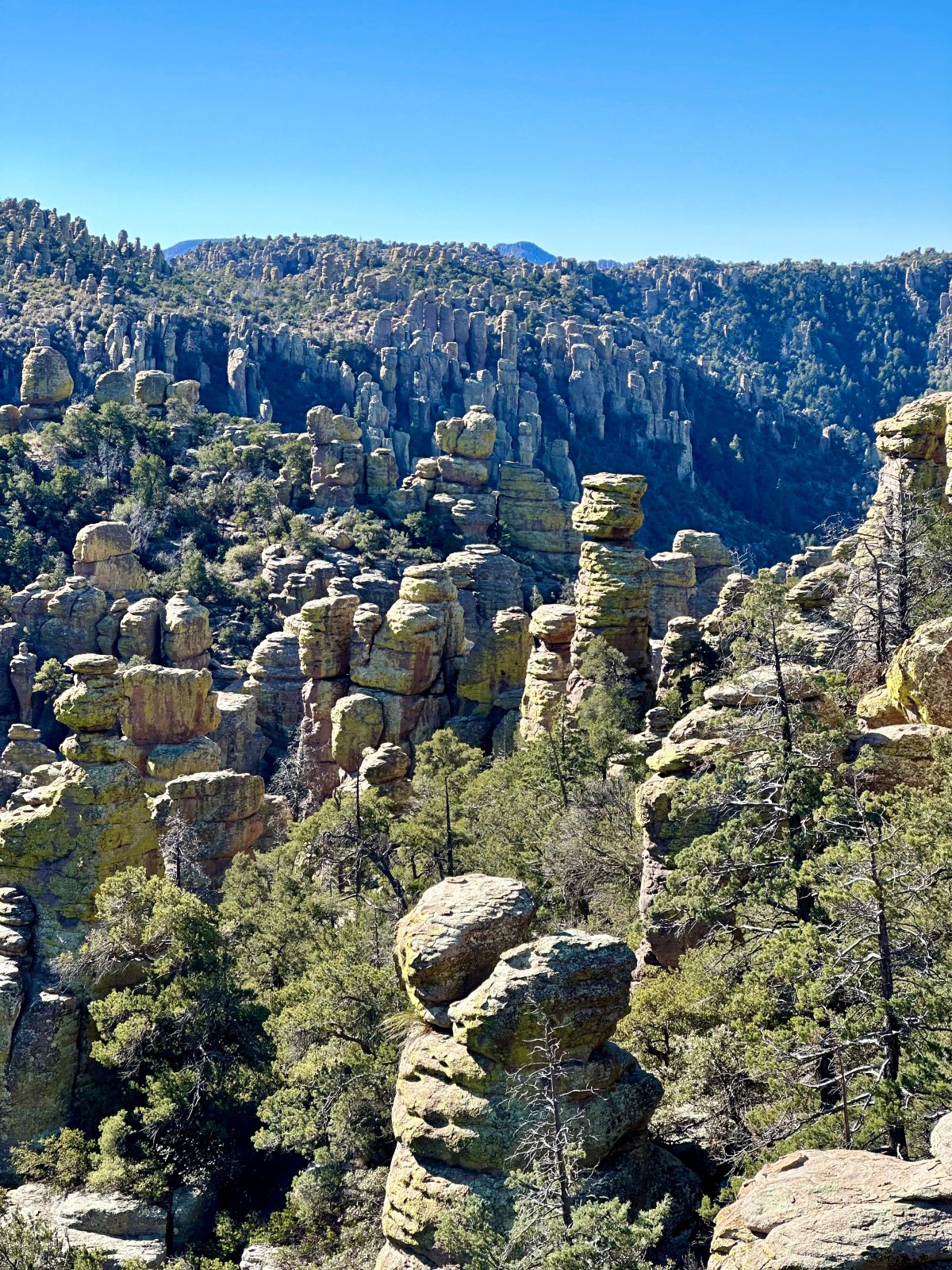
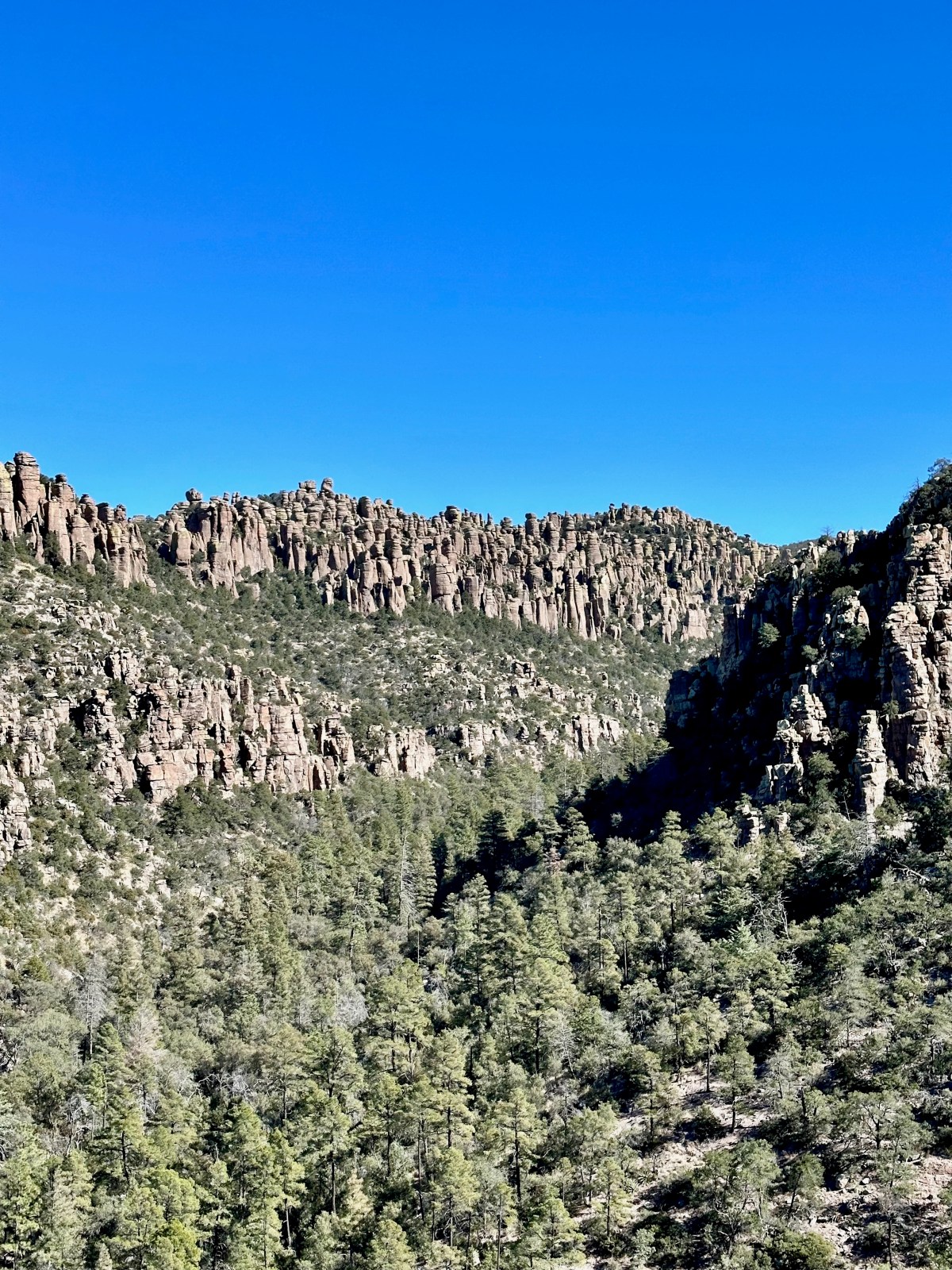
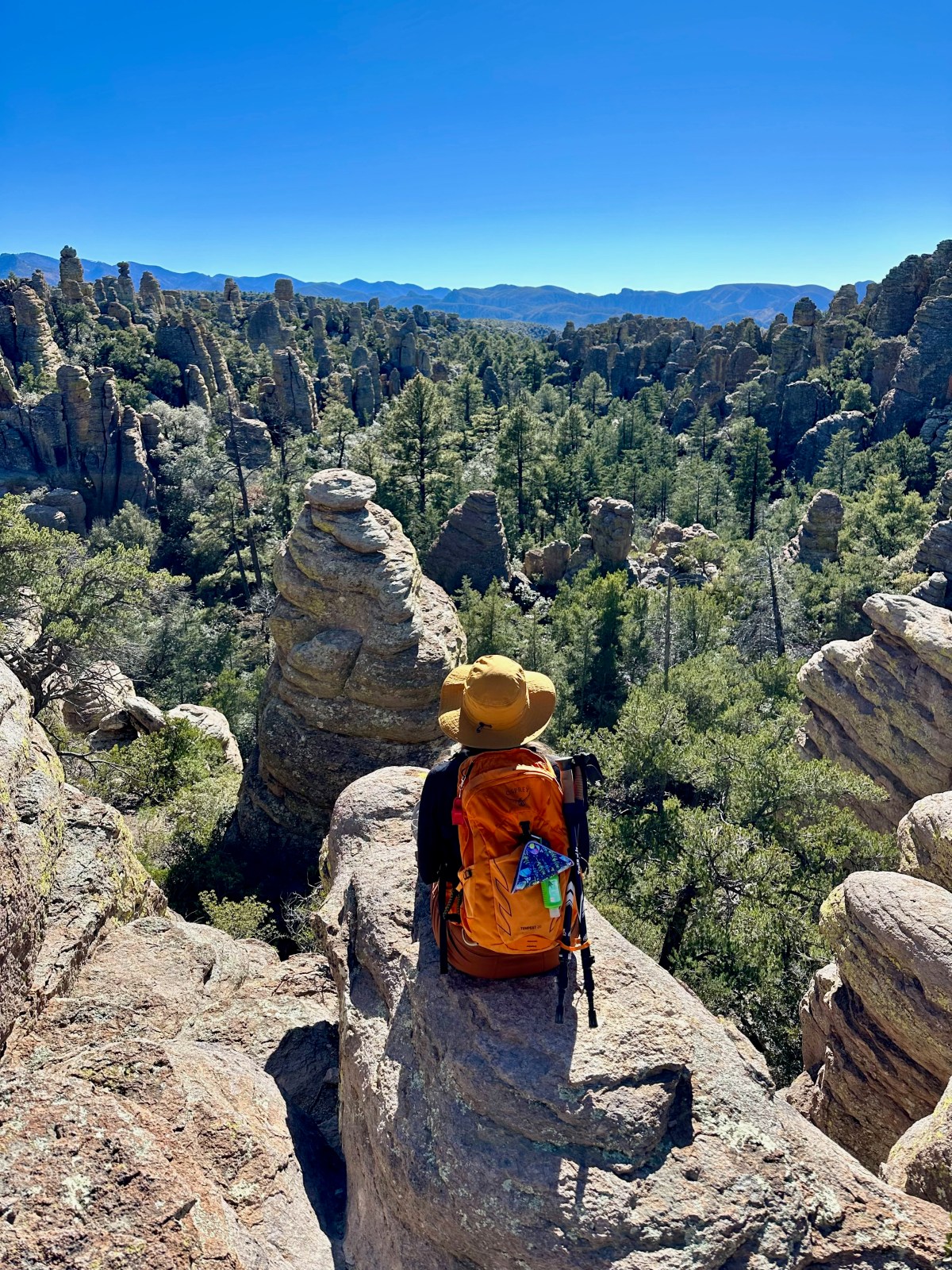
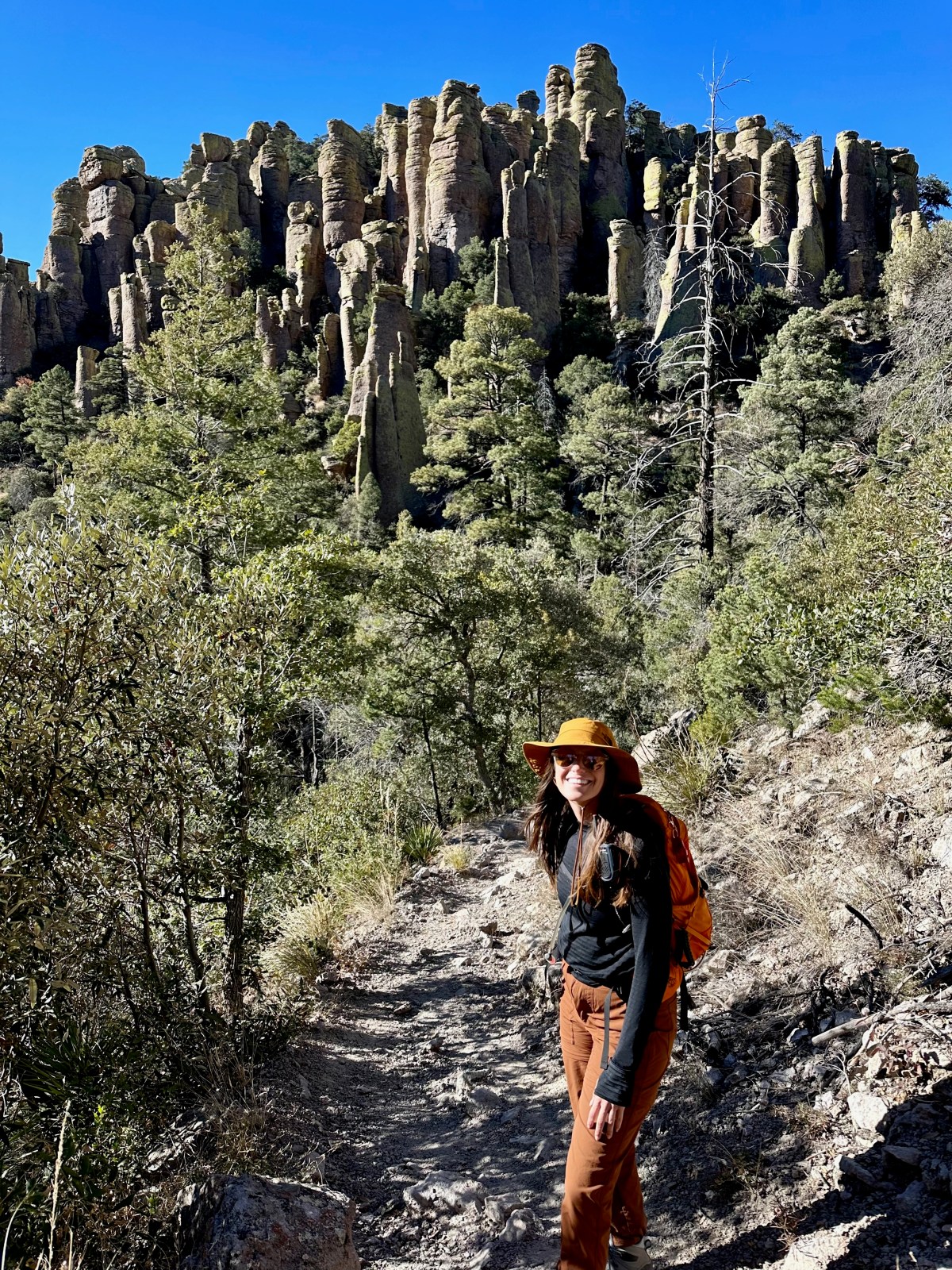
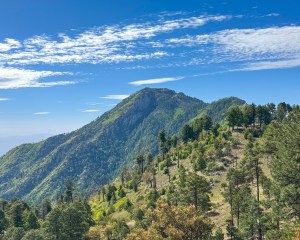
Chiricahua National Monument is known as the “Wonderland of Rocks,” and for good reason. The park is on a Sky Island Mountain range and filled with towering hoodoos, unique rock formations, and vegetation rich canyons that feel worlds away from the surrounding desert. While there are several shorter trails and scenic drives, we think the Big Loop Trail is the best way to see the park.

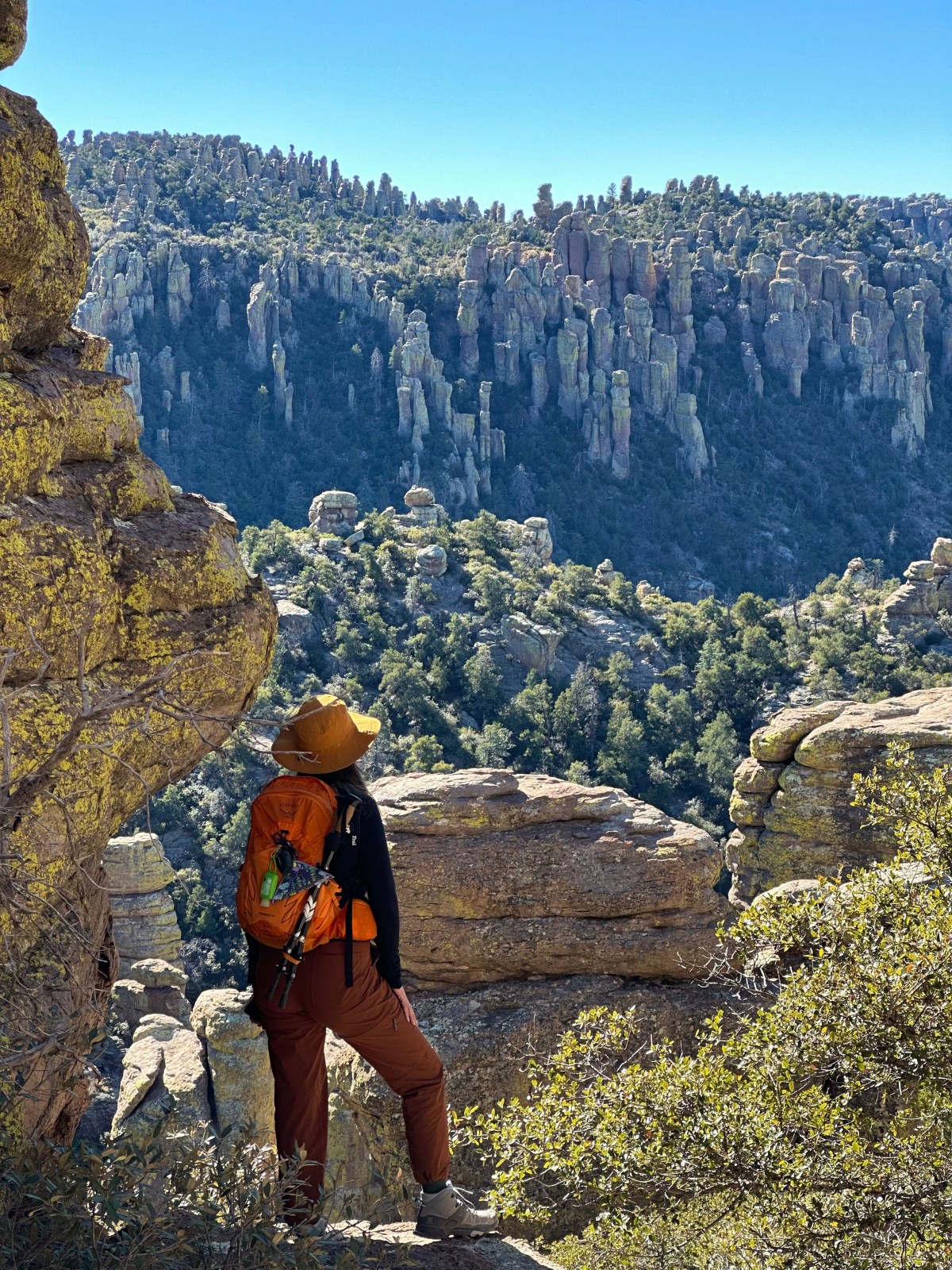
This full-day hike takes you past some of the monument’s most iconic spots, including Echo Canyon Grotto, Rhyolite Canyon, and the famous Heart of Rocks Loop, where each rock formation has a name and personality of its own. The Big Loop gives you a true sense of how diverse this park is, from shady forests and flowing creeks to wide open canyon views and high elevation overlooks, all in a single route.

We recommend hiking the Big Loop in the cooler months between late fall and early spring. Summer can bring high temperatures that make this trail very difficult. Winter can also be a great time to visit, but be sure to check the weather because they can get snow! Most visitors take between five and six hours to complete the loop depending on pace, and we recommend starting early in the day to avoid afternoon heat and give yourself plenty of daylight. The trail is best for experienced hikers who are comfortable with long distances, consistent elevation gain, and some steep sections.

Quick Stats
Length:

9.1 miles

Route Type:

Loop

Elevation Gain:

1,800 ft

Vaulted Toilets:

Yes

Dog Friendly:

NO

Fee:

No

Difficulty:

Hard

Water:

No

AllTrails:

The Big Loop Hike, Chiricahua National Monument

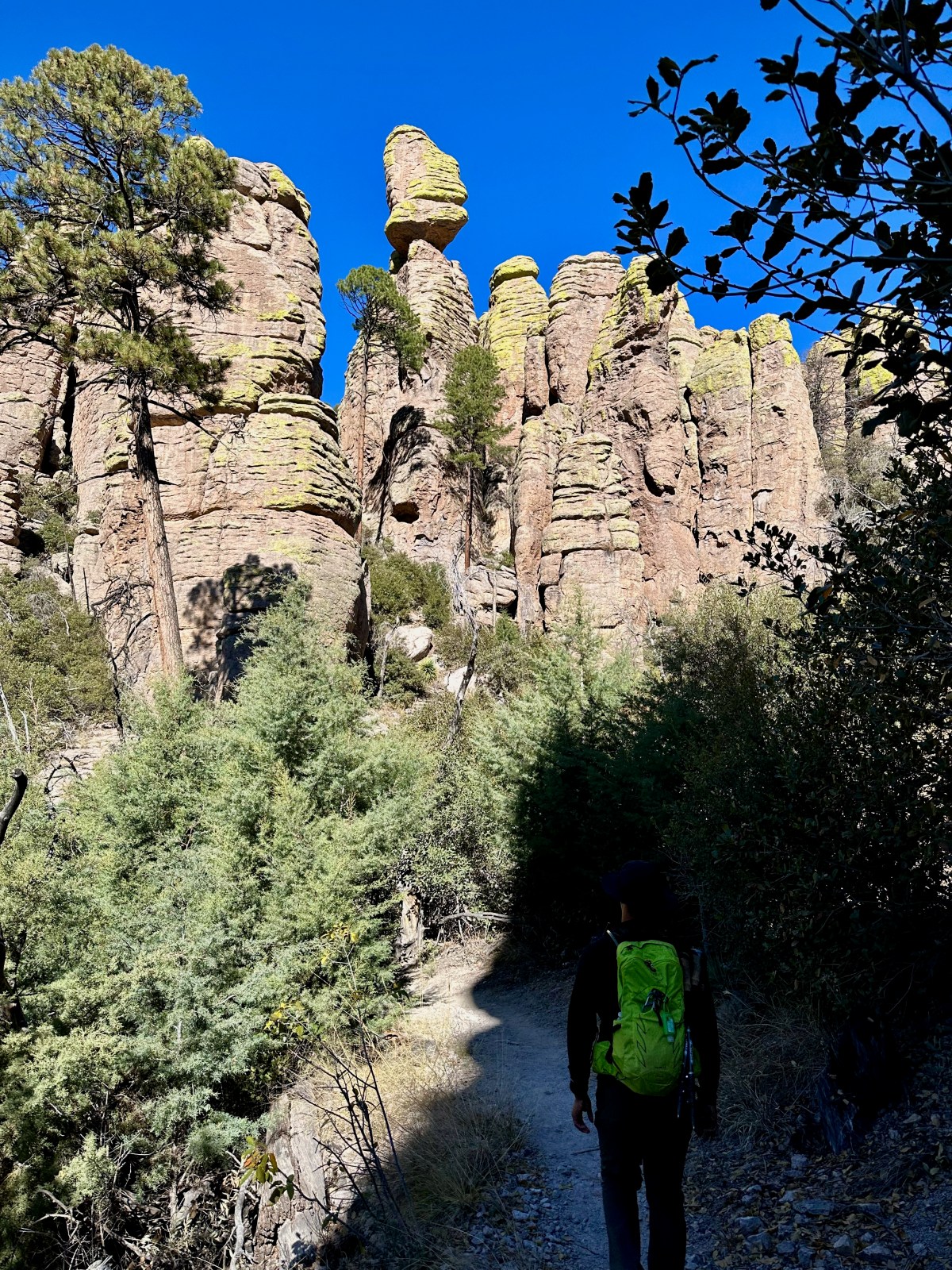
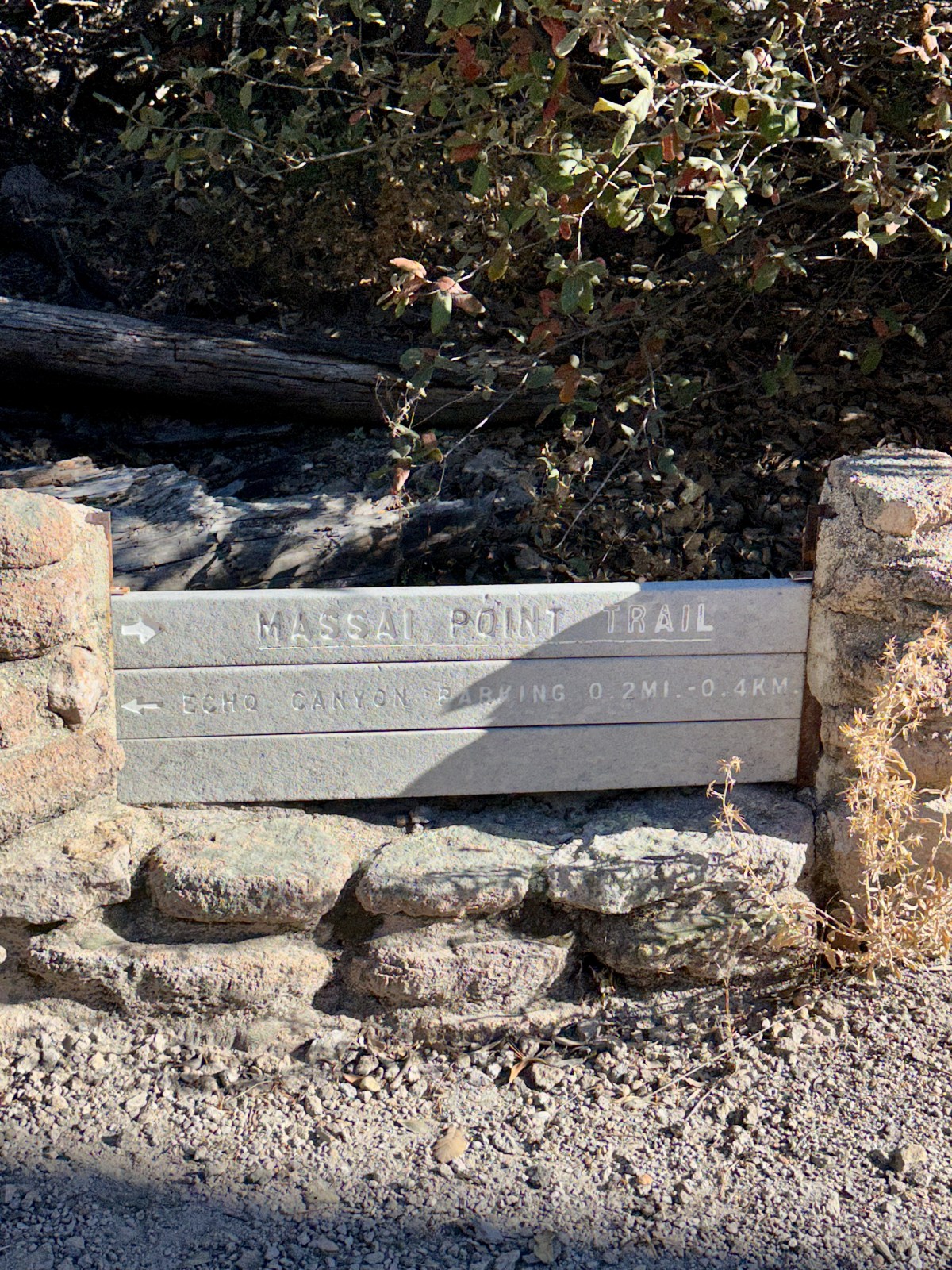
We began our hike from Massai Point of Chiricahua National Monument, heading down toward Echo Canyon. Massai Point sits at 6,870 feet, so expect to feel the elevation if you’re not used to hiking at higher altitudes. The trail quickly drops into Echo Canyon, where towering hoodoos surround you. It’s one of the most scenic trailheads in the monument and an amazing way to begin your adventure.

Echo Canyon and Rhyolite Canyon

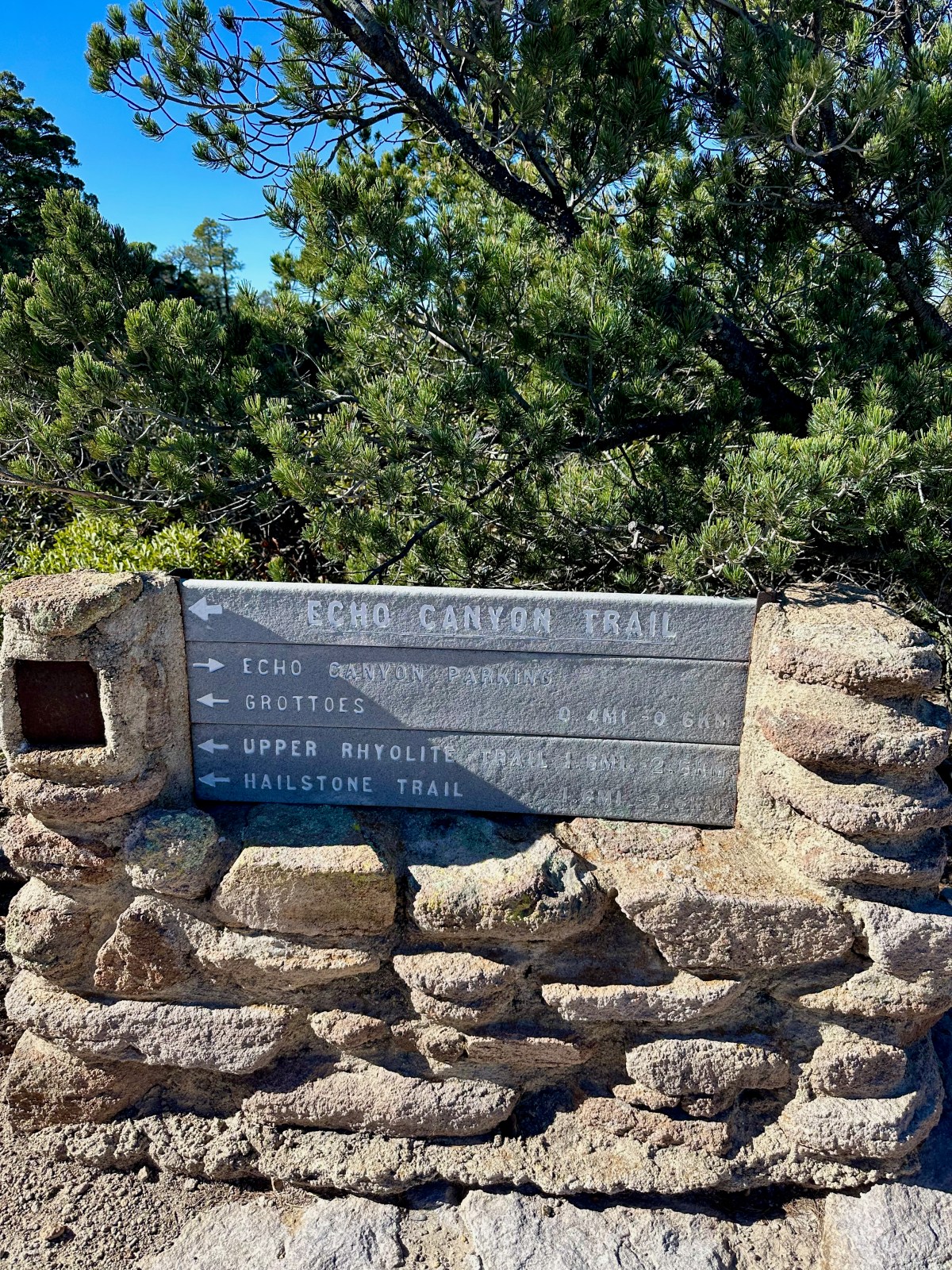
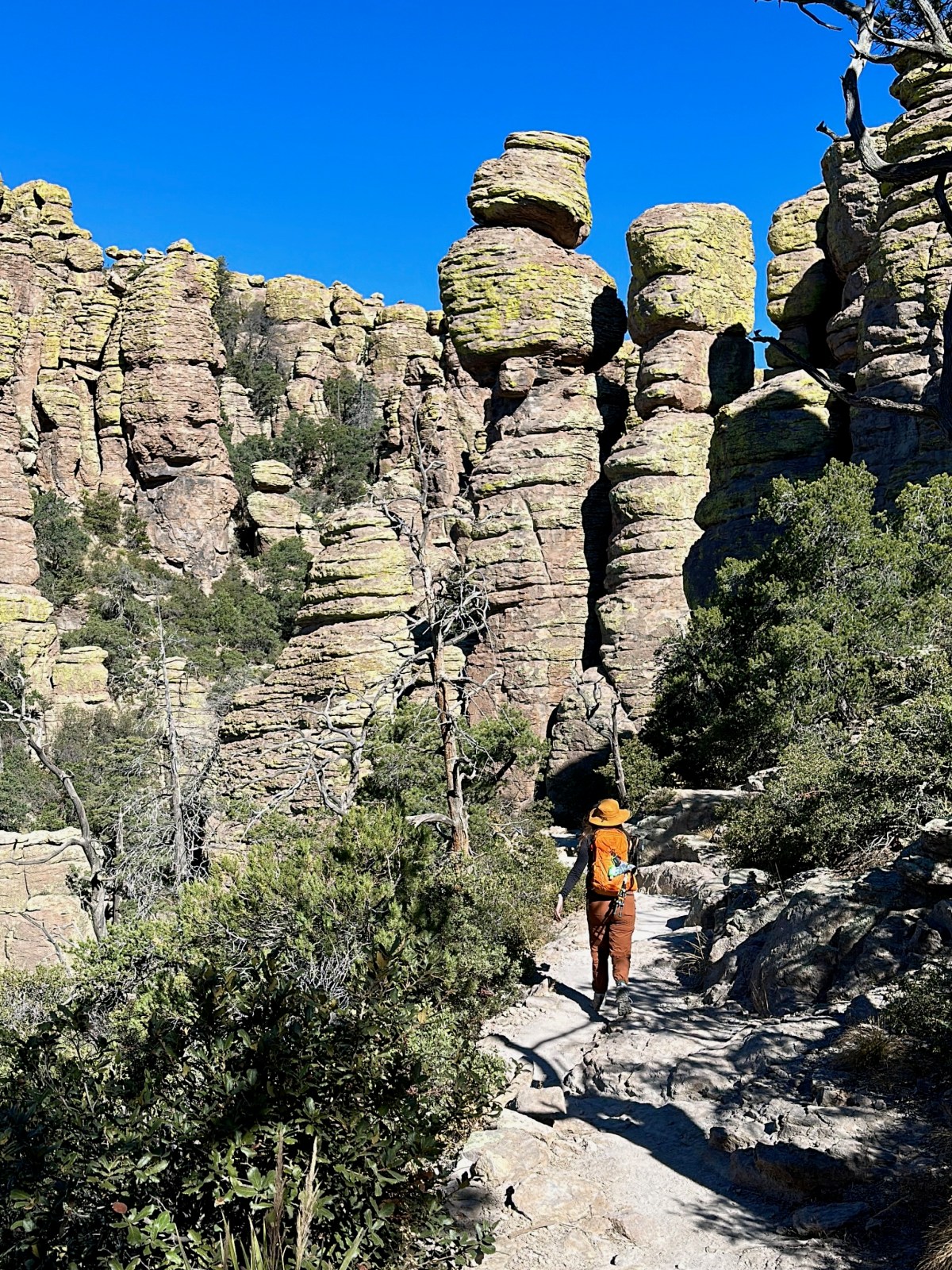
From Massai Point, you’ll descend into Echo Canyon and pass Echo Canyon Grotto. This cluster of rock formations looks otherworldly. The trail here winds through mixed forest of pine, fir, and cypress, with seasonal streams running in winter and spring.

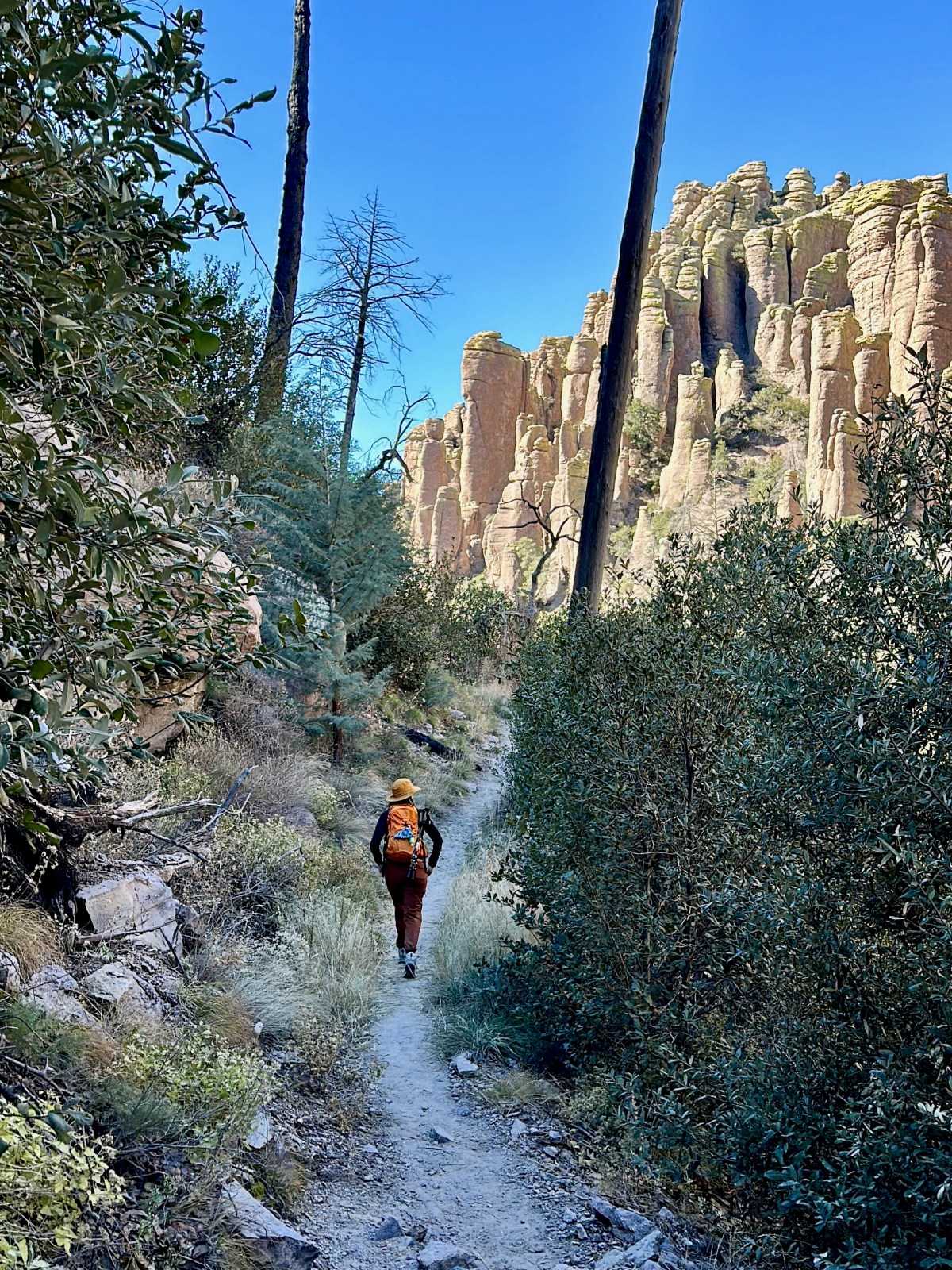
Eventually, you’ll reach the intersection of Rhyolite Canyon and Hailstone Trail. For the Big Loop, continue into Rhyolite Canyon. This section stays relatively gentle but gradually leads you back into climbing territory.

Climbing Sarah Deming Trail

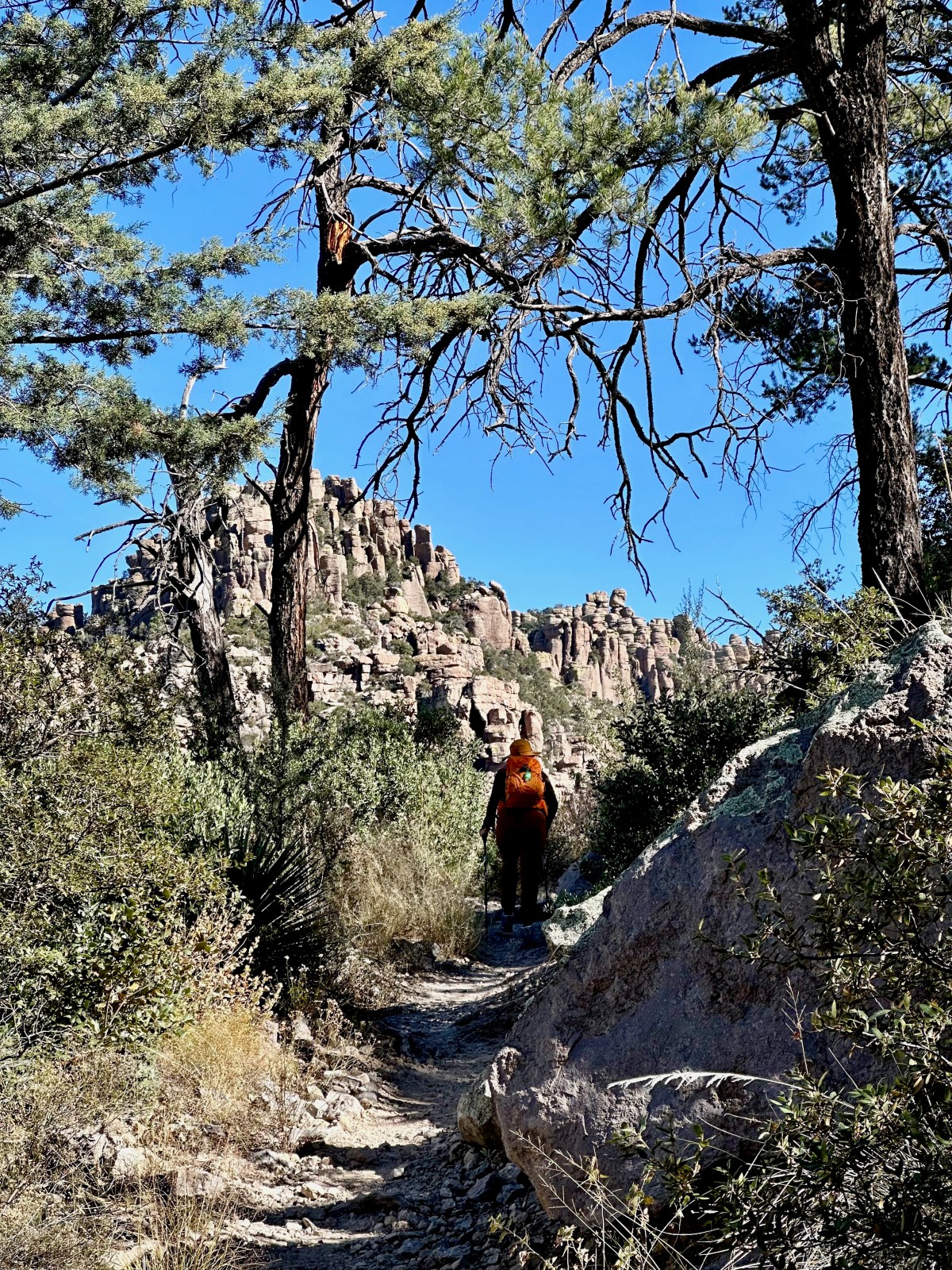
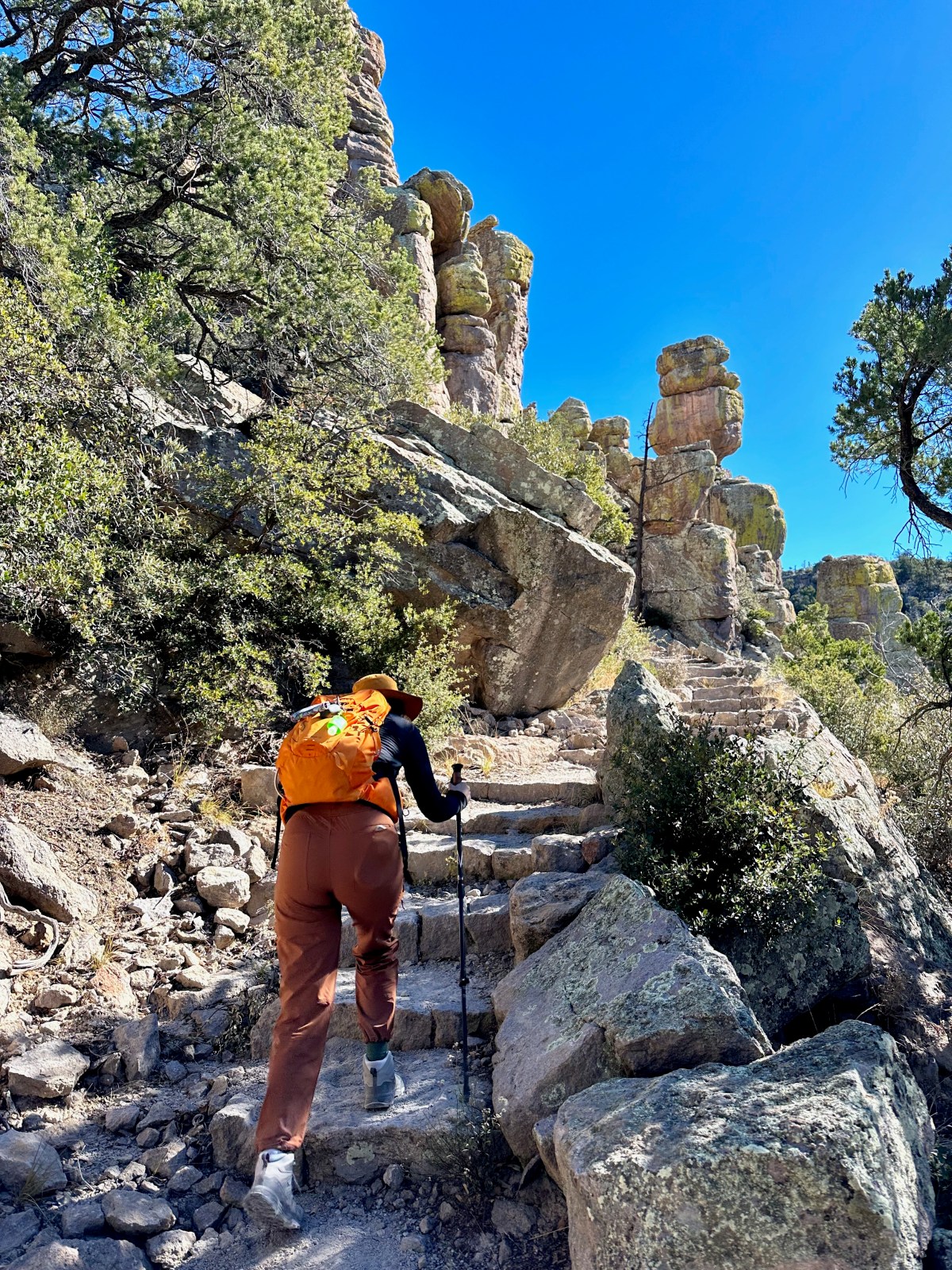
Sarah Deming Trail is where the real workout begins. The incline here is steady and unrelenting, testing both your legs and your lungs. We were breathing hard but pushed through without taking breaks. However, we highly recommend pacing yourself, especially if you’re not acclimated to elevation.

At the top, you’ll connect with Balanced Rock Trail and reach the highlight of the hike: Heart of Rocks Loop.

Heart of Rocks Loop

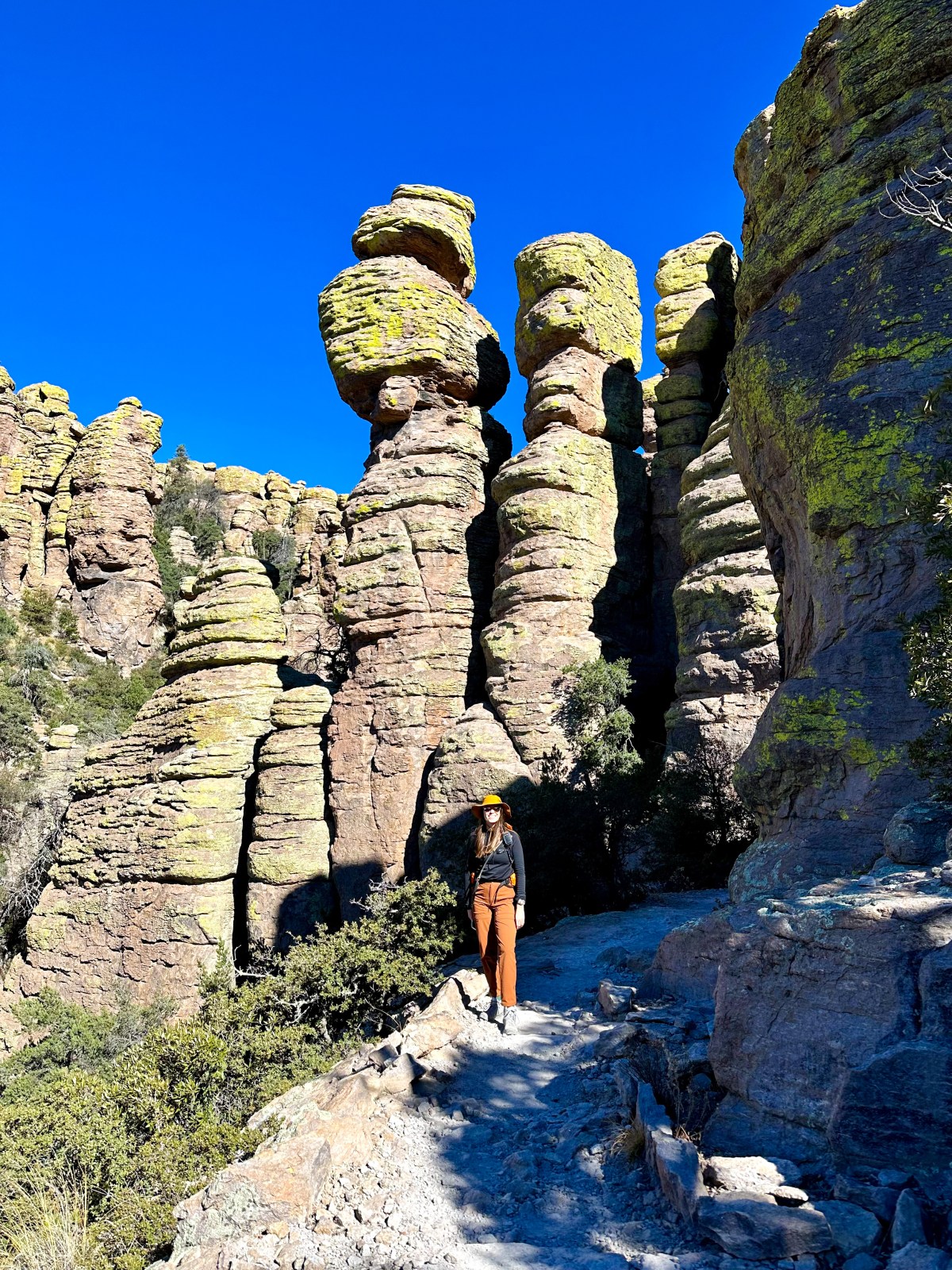
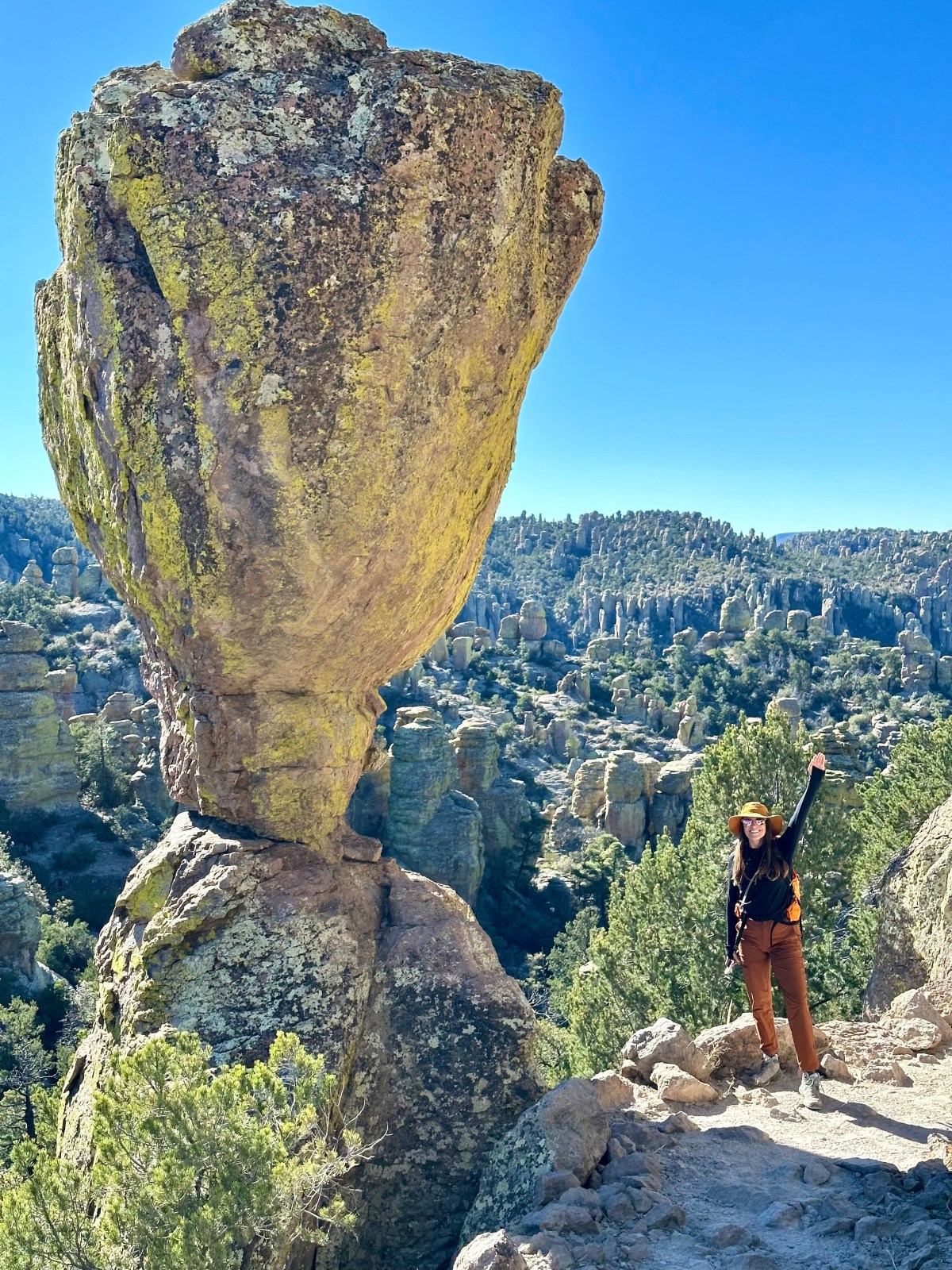
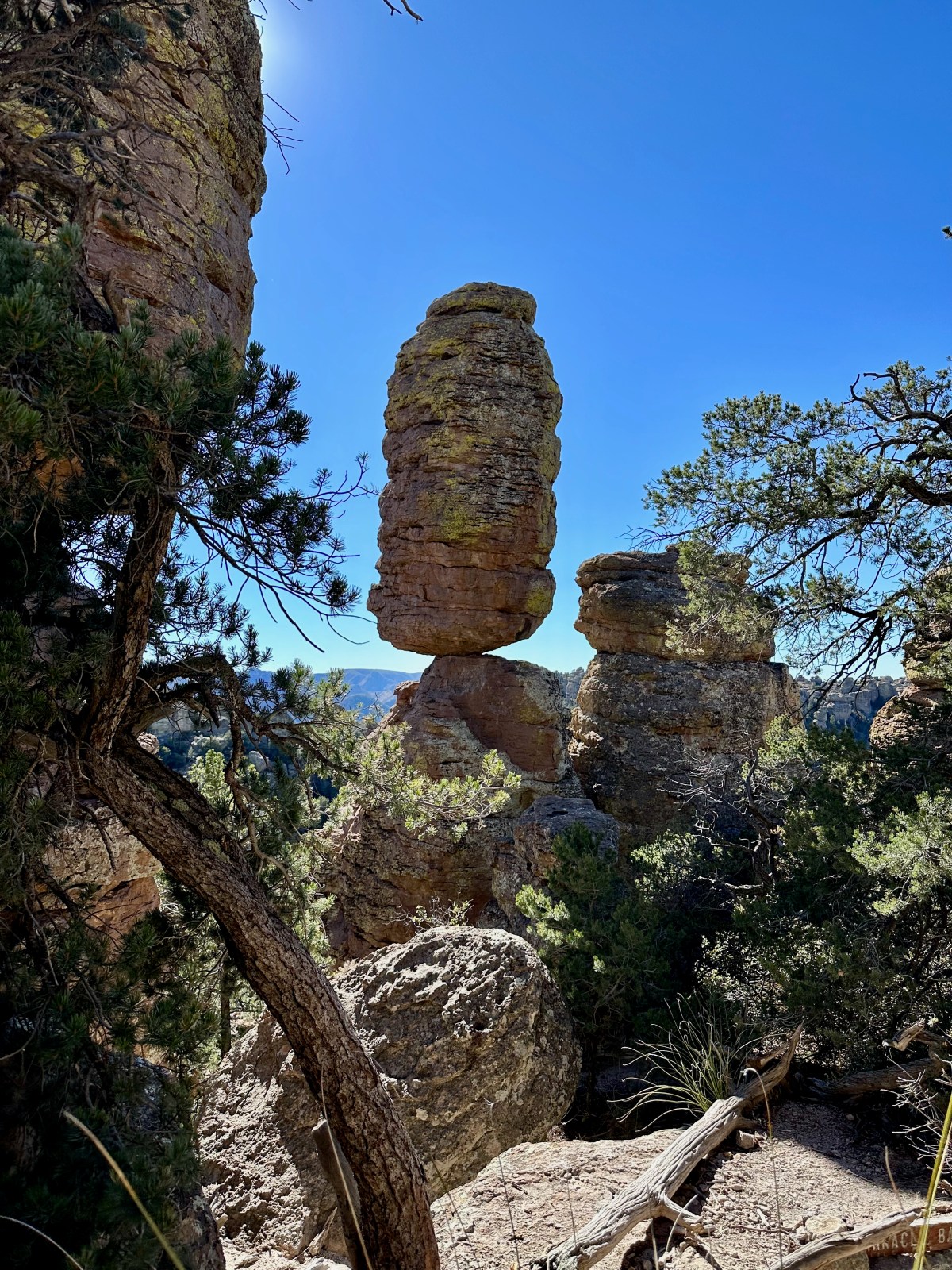
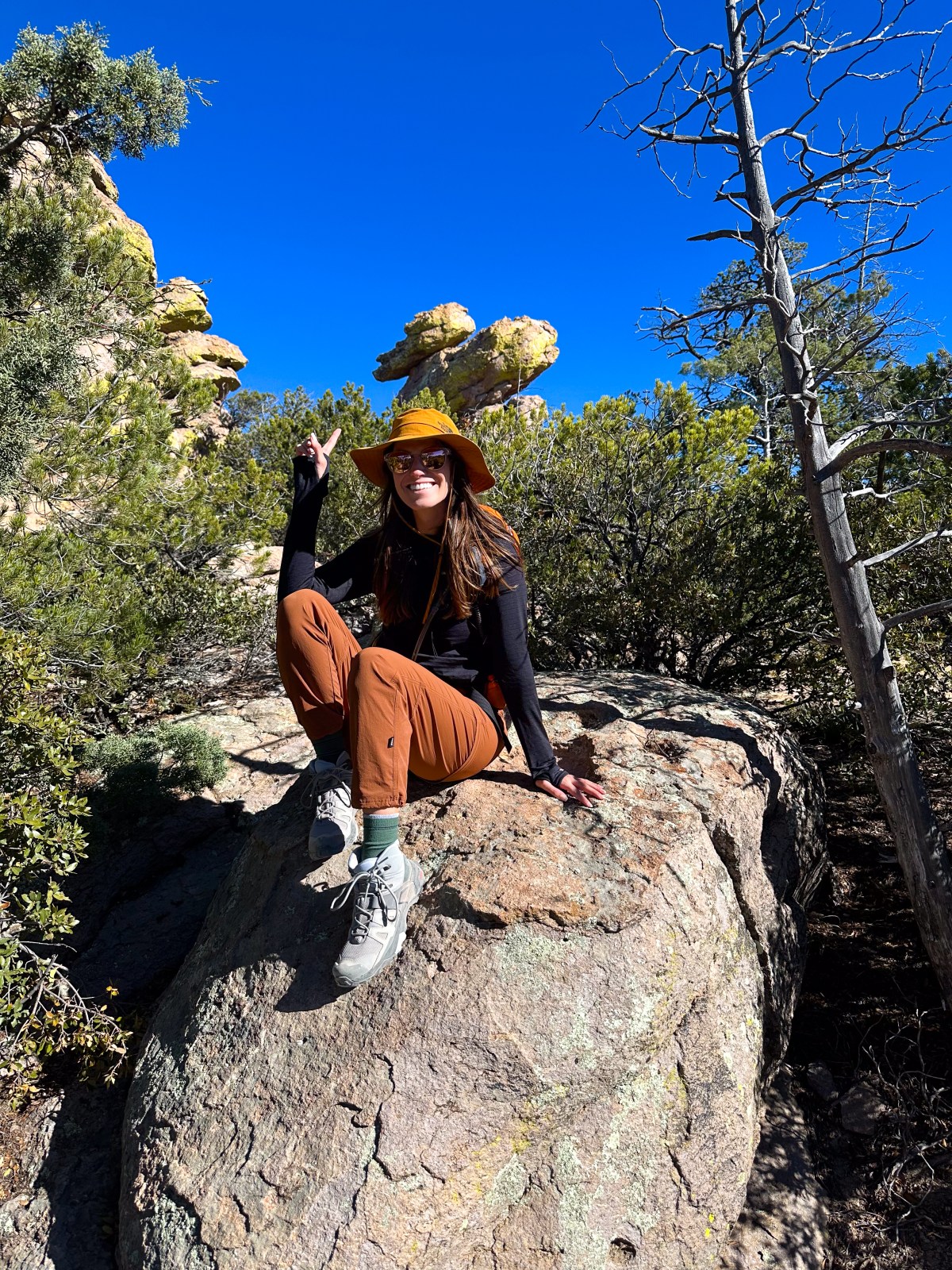
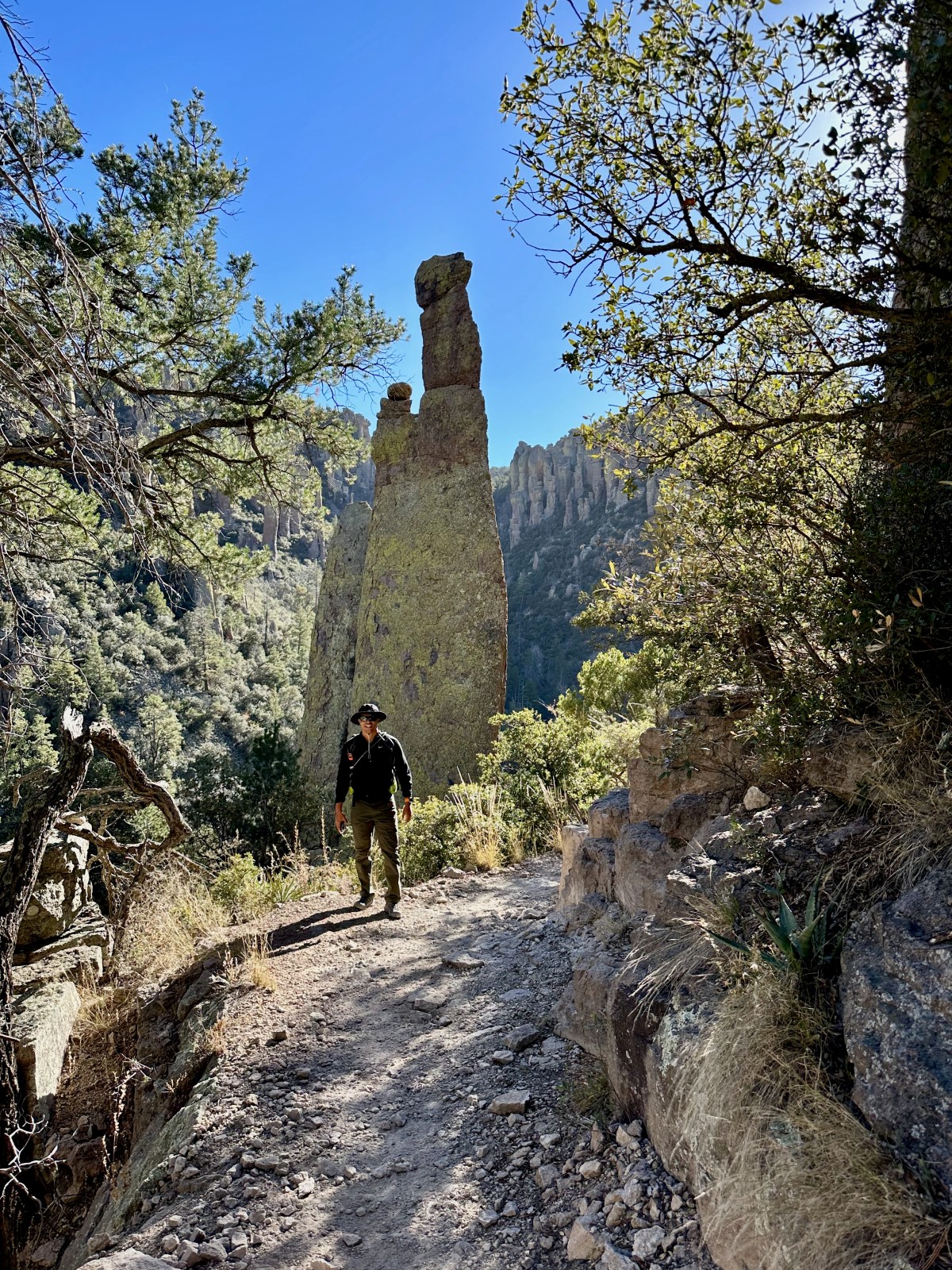
Heart of Rocks is a must-do. This 1.1-mile loop adds some climbing and descending, but it’s worth every step. Here, you’ll walk among Chiricahua’s most famous rock formations. Each formation is named, and we loved spotting Kissing Rock, Pinnacle Balanced Rock, Duck Rock, and Big Balanced Rock.

Hunt Canyon and Ed Riggs Trail

After Heart of Rocks, you’ll descend into Hunt Canyon. This is the final long downhill before the last push back to Massai Point. From Hunt Canyon, you’ll pick up Ed Riggs Trail, which climbs back toward Echo Canyon and eventually to your parking area.

This section is tough, especially at the end of a long day. Both Sarah Deming and Ed Riggs are steady climbs, so save some energy for this last stretch. By the time we returned to Massai Point, we were ready to take off our boots and relax!

Chiricahua Big Loop Trail Tips

  • Start early: This is a 5–6 hour hike at high elevation, so give yourself plenty of daylight.
  • Bring plenty of water: We each carried at least 3 liters and still drank most of it.
  • Wear sturdy hiking shoes: The terrain is rocky and uneven.
  • Know your limits: You can make this a shorter out-and-back to Echo Canyon Grotto or a loop to Hailstone Trail if you don’t want to commit to the full 9 miles.
  • Check the weather: Afternoon thunderstorms are common in summer, and snow is possible in winter in the Chiricahua Mountains
  • Parking lots fill up quick: during peak visitor season, especially on weekends, it’s best to arrive early to get a parking spot. The parking lots are small.
  • Check the NPS website for other hiking options here

Other Places To Consider

Hi There!

We're Lauren and Owen -

We started The AZ Hikeaholics as a way to share our adventures with an audience that was interested. It soon grew into a community and we were all in! The more we learned about the history, geology, culture, biology etc, of the places we were exploring, the more we wanted to know.

You may also like -

Join our mailing list!

Never miss an update

Stay up to date by subscribing to our mailing list to receive our monthly newsletter and other important updates!