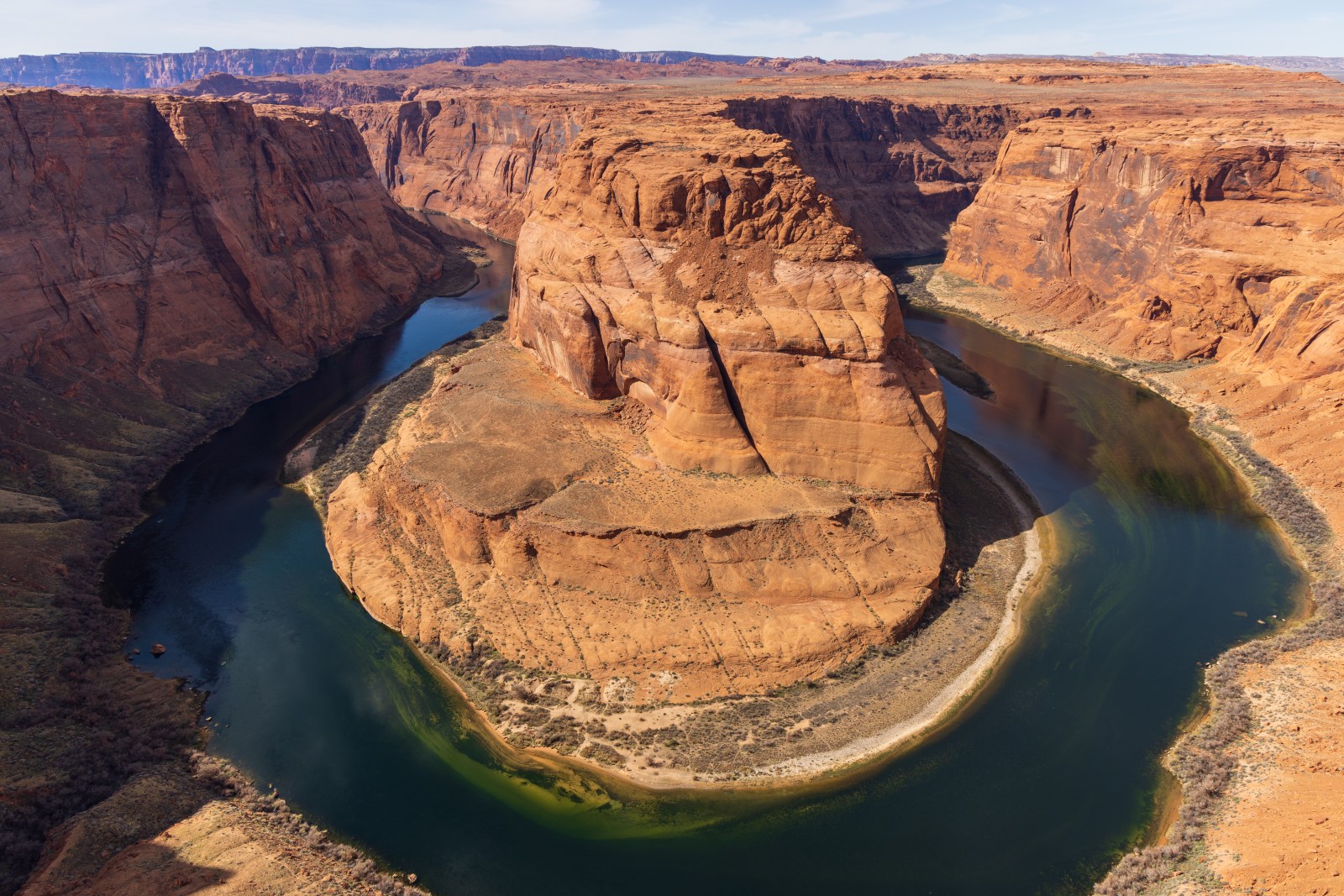
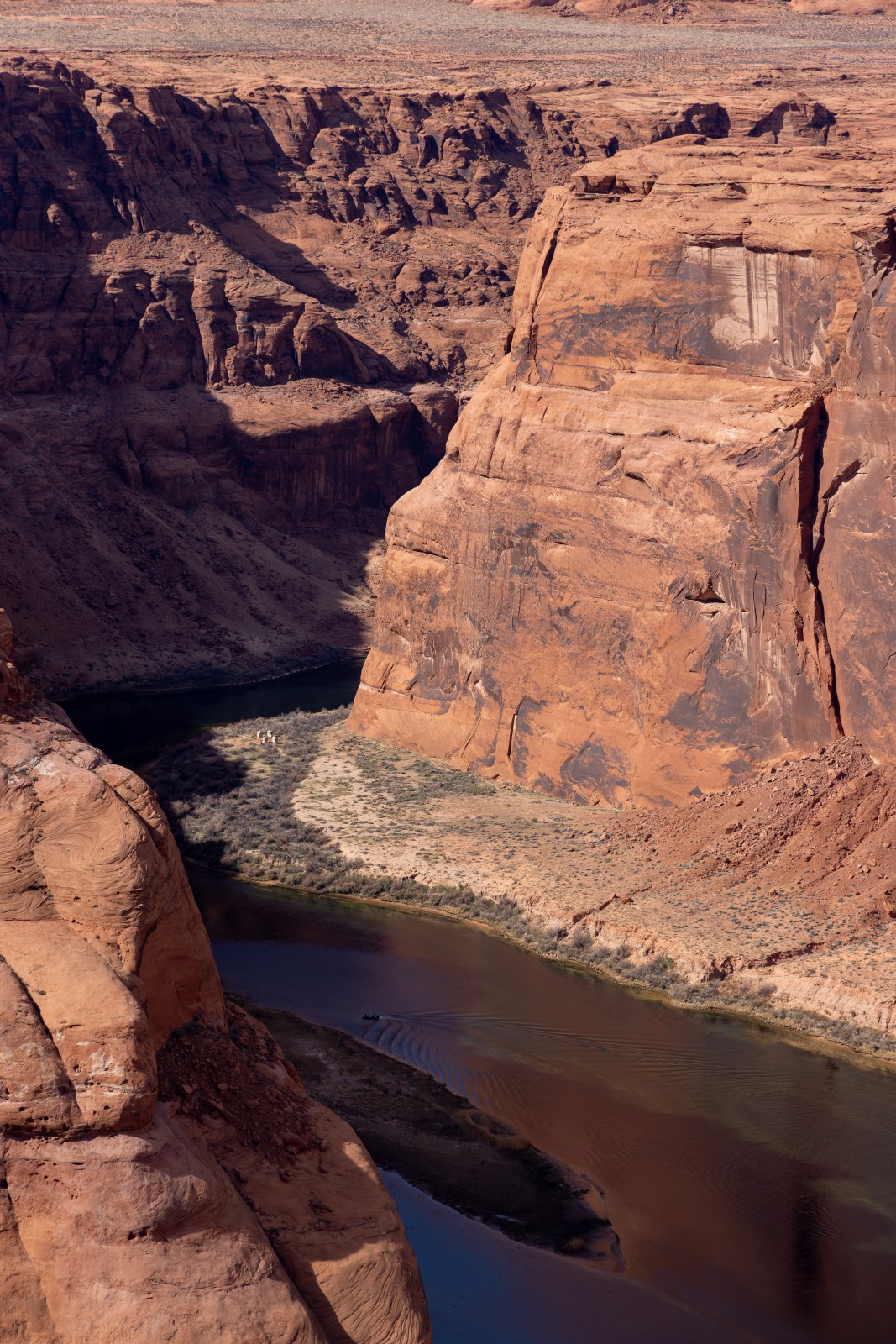
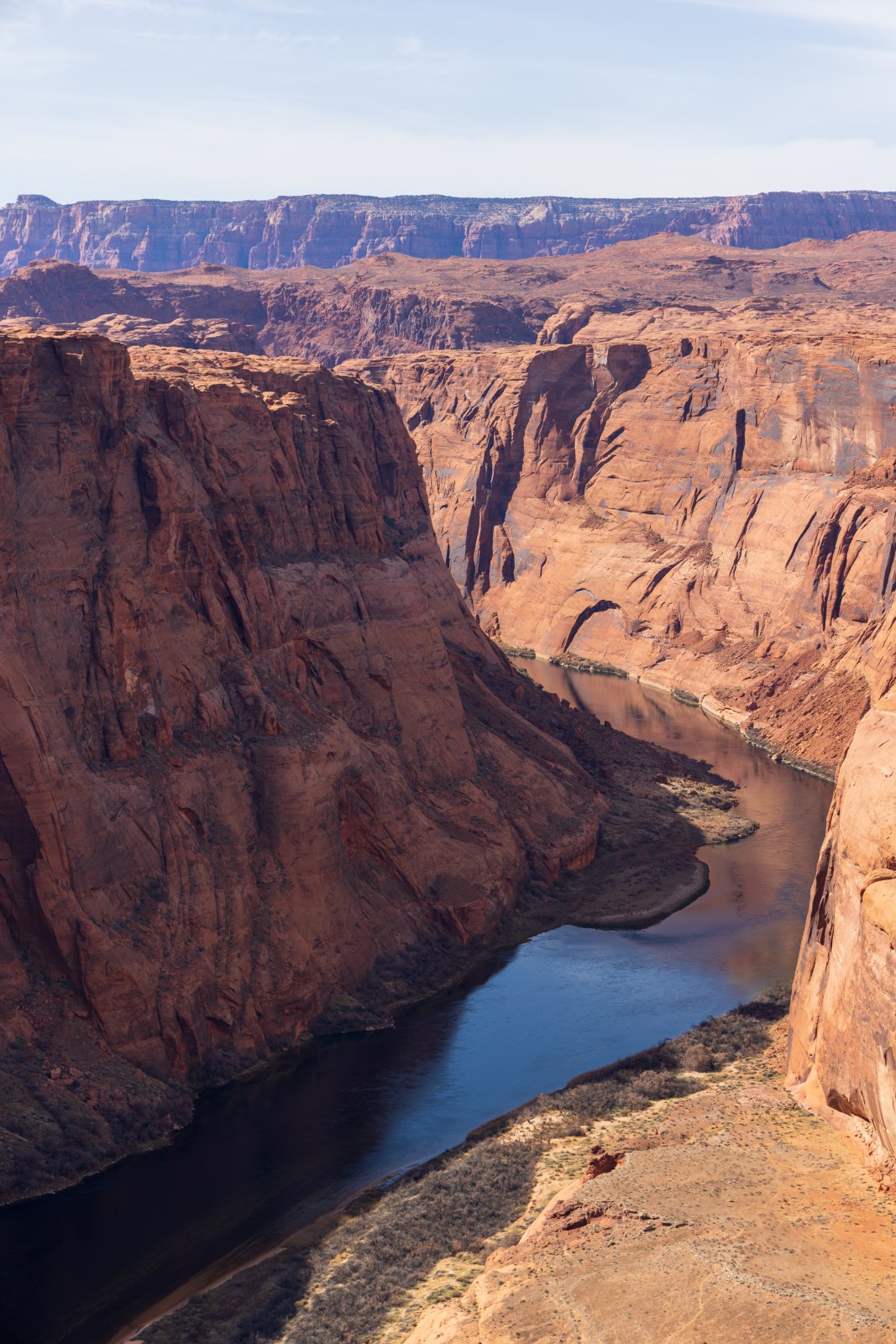
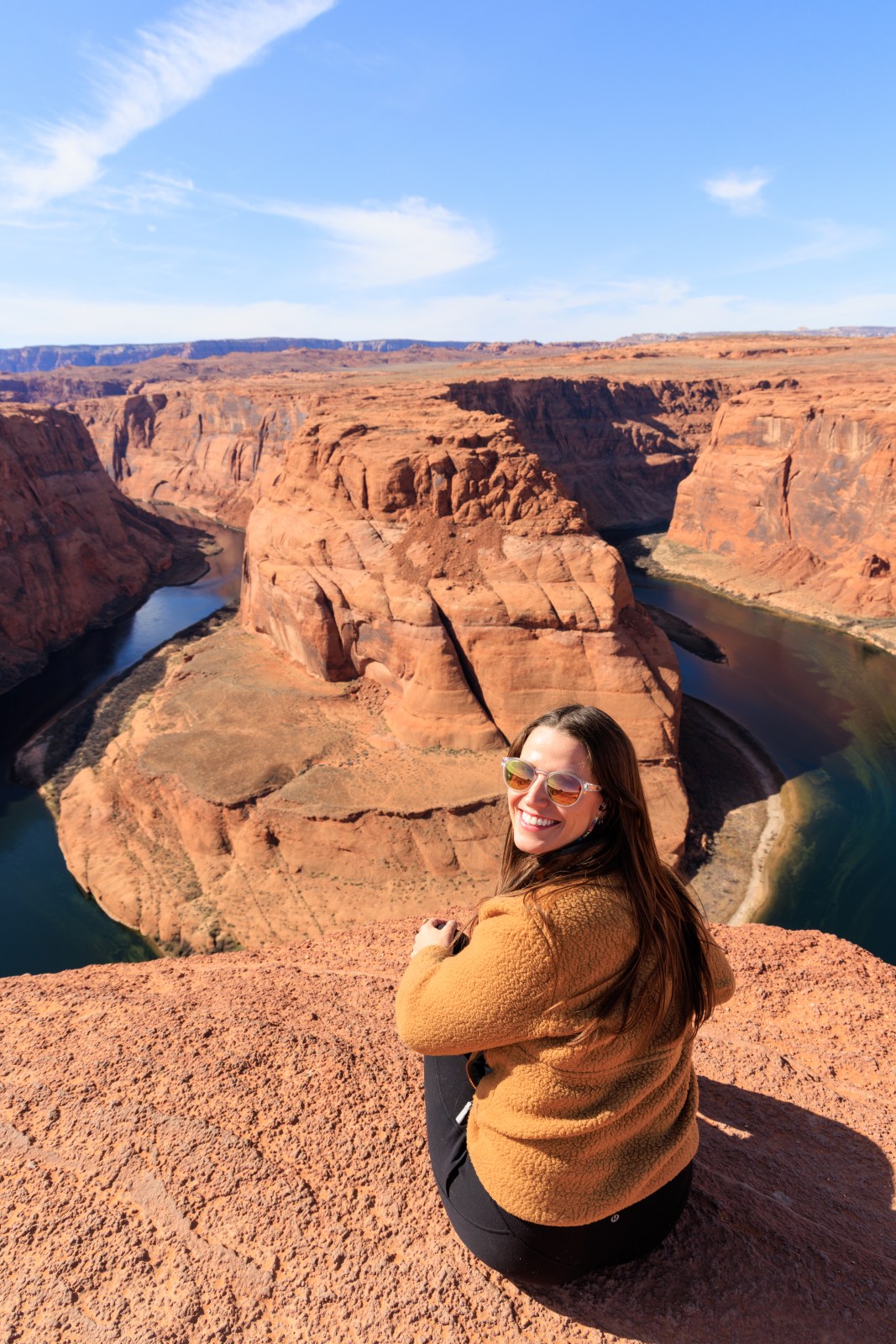
Horseshoe Bend Overlook
Best Time to Visit Horseshoe Bend
The best time to visit Horseshoe Bend is during the spring and fall months, when temperatures are more comfortable and conditions are safer for walking and sightseeing. March through May and September through November offer cooler mornings and evenings, making the short walk to the overlook far more enjoyable than during the peak summer heat.
Summer
Summer in Page, Arizona can be extremely hot, with temperatures often exceeding 100°F. While Horseshoe Bend is open year round, midday summer visits can be uncomfortable and potentially dangerous due to heat exposure, limited shade, and reflective rock surfaces. If visiting during summer, plan to arrive early in the morning or closer to sunset, bring plenty of water, and take your time on the trail.
Winter
Winter can also be a great time to visit Horseshoe Bend, especially for those looking to avoid crowds. Temperatures are cooler and the area is far less busy, though mornings can be cold and occasional snow or ice may make the trail slippery. Always check current conditions before visiting in winter months.
Photography
For lighting and photography, late morning through early afternoon is popular because the sun is high enough to illuminate the Colorado River below. However, this is also when crowds are typically at their peak. Sunrise and sunset offer a quieter experience and dramatic light, but shadows may limit how much of the river is visible depending on the time of year.
No matter when you visit, Horseshoe Bend is fully exposed to the elements. Wear sun protection, carry water, and stay well back from the edge of the overlook to safely enjoy one of Arizona’s most iconic viewpoints.
Entrance Fee
Horseshoe Bend is located within Glen Canyon National Recreation Area, a vast protected area managed by the National Park Service that surrounds Lake Powell and the Colorado River. To access the Horseshoe Bend overlook, visitors must pay an entrance fee at the parking area, which helps support site maintenance, safety infrastructure, and visitor services. The 1.5 mile out and back walk from the parking lot leads to the overlook, where guardrails and designated viewing areas help protect both visitors and the fragile canyon environment.


Crowd Tip:
To avoid peak crowds at Horseshoe Bend, arrive within the first hour after sunrise or visit near sunset on a weekday. Midday, especially between 10 a.m. and 3 p.m., is typically the busiest time with tour buses and limited space at the overlook.
Leave No Trace
Horseshoe Bend sits above steep cliffs and a fragile desert ecosystem. Stay on designated paths, keep a safe distance from the edge, and never toss rocks or objects into the canyon below. Pack out all trash and respect barriers to help protect this iconic landscape for future visitors.
Kayaking Horseshoe Bend
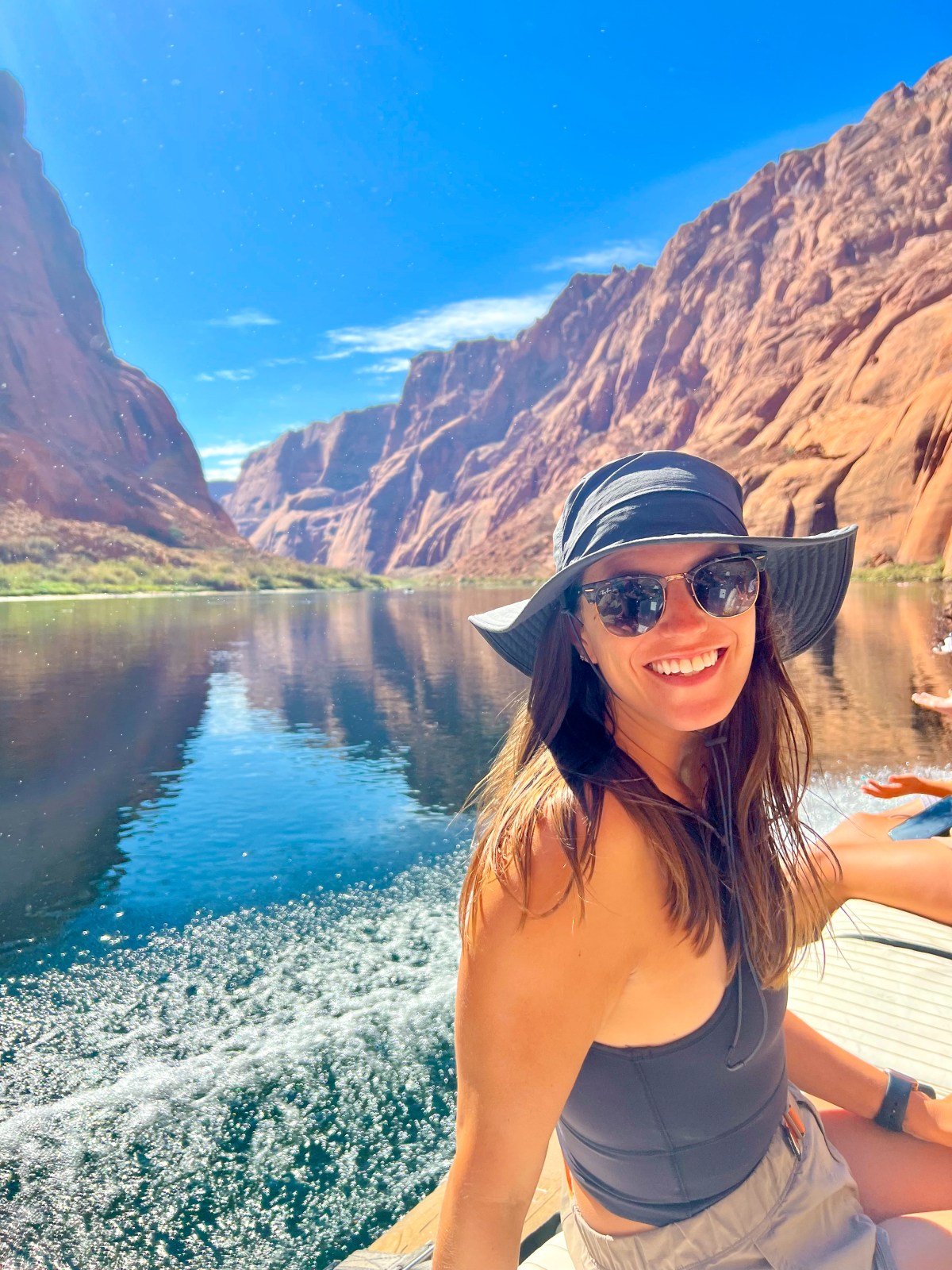
Kayaking Horseshoe Bend offers a completely different perspective than viewing it from the overlook above and is one of the most immersive ways to experience this section of the Colorado River. Paddling through the canyon places you below towering sandstone walls and directly beneath the iconic bend, giving you a sense of scale that simply can’t be appreciated from above.
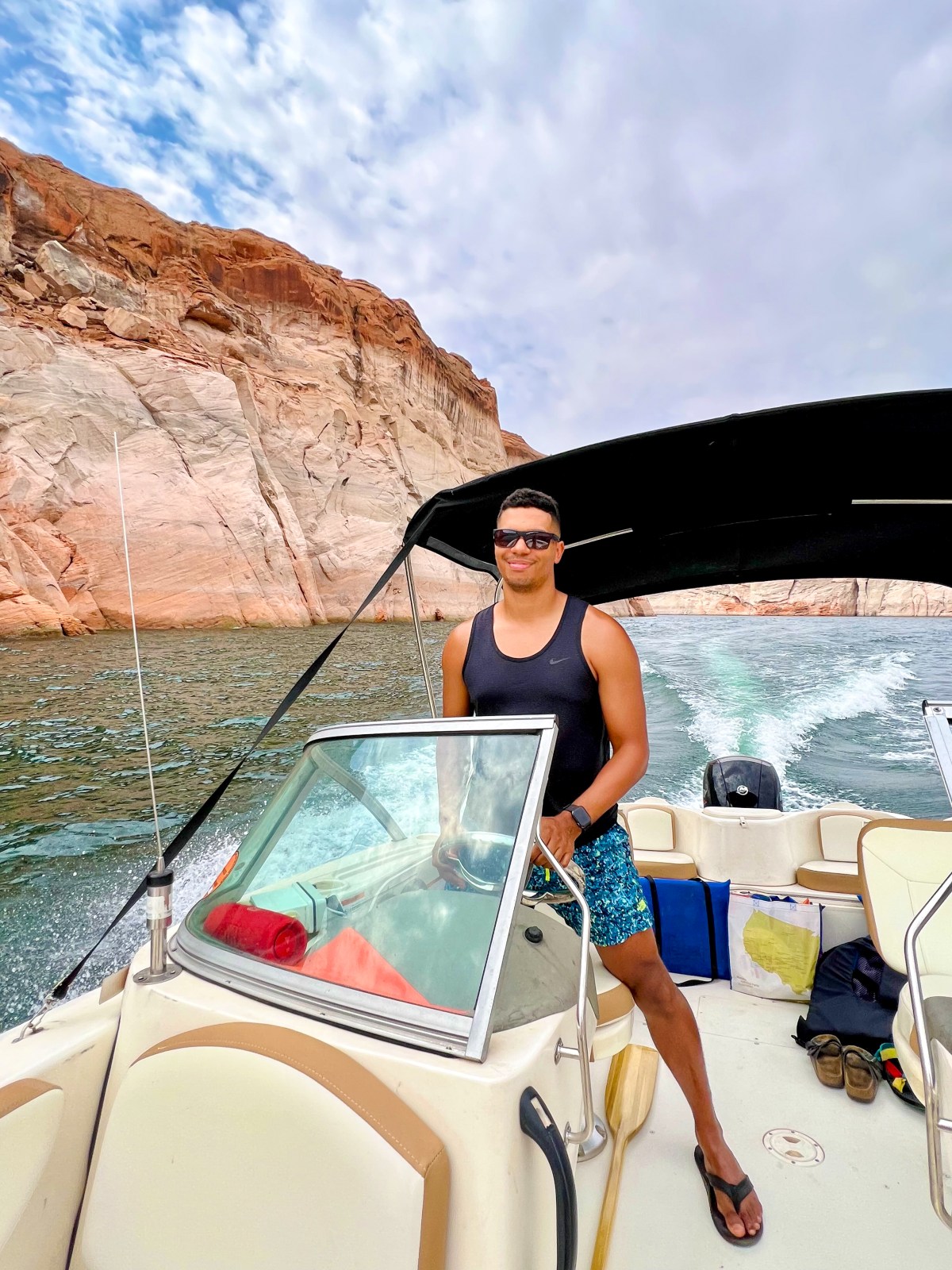
There are a few different ways to kayak Horseshoe Bend, but one of the most popular options is using a backhaul service that transports paddlers upstream and drops them off with rental kayaks. We chose this option and were dropped off at Petroglyph Beach with Kayak Horseshoe Bend during the first time slot of the day, departing the backhaul boat around 6:15 a.m. Starting early is highly recommended, especially during the warmer months.
Shorter Trip (Half Day)
From Petroglyph Beach, we kayaked approximately 9 miles downstream to Lees Ferry. Along the route, there are several sandy beaches, some designated for day use and others for overnight camping. Composting toilets are available at select beaches, and it’s important to use them properly so they continue to function. Only human waste should be placed in these toilets, and all trash should be packed out.
Longer Trip (Full Day)
Another option is to start farther upstream near the dam and kayak roughly 15 miles to Lees Ferry. We opted for the shorter route, knowing we didn’t want to be on the water for that long in the heat. Even with an early start, temperatures rose quickly. While the morning felt comfortable, by late morning it was already hot, and we finished around noon with temperatures in the 90s.
What to Bring and Expect
Because this stretch of river is dam controlled, conditions can change, and there is very little shade along the water. Sun protection, plenty of water, and realistic planning are essential. While kayaking Horseshoe Bend isn’t the easiest way to experience the area, it is one of the most rewarding for those willing to prepare and respect the desert environment.
The backhaul and kayak rental company we used: Kayak Horseshoe Bend
Horseshoe Bend rafting company: Wilderness River Adventures
Helicopter Tour Over Horseshoe Bend and Lake Powell
Taking a helicopter tour is an incredible way to see Horseshoe Bend and Lake Powell from a completely different perspective. Instead of viewing the landscape from the rim or the river below, you get a sweeping aerial view of the Colorado River, towering canyon walls, and the vast desert terrain surrounding Page.
The helicopter tour we took was approximately one hour long and included a landing on Tower Butte, which is located on Navajo land. This landing is a unique part of the experience and not something every tour company offers. Once on Tower Butte, we were able to get out of the helicopter and walk around, taking in panoramic views in every direction.
Seeing Horseshoe Bend, Lake Powell, and the surrounding canyon country from the air really highlights the scale of the landscape in a way that’s hard to grasp from the ground. From above, you can clearly see how the river carves through the desert and how remote much of this area truly is.
While it’s a splurge compared to visiting the overlook or kayaking, the entire experience was unforgettable and offered a perspective you simply can’t get any other way. If you’re looking for a unique and memorable way to experience the Page area, a helicopter tour is well worth considering.
Respect Navajo Land:
Tower Butte is located on Navajo Nation land. Access is only permitted through authorized tours, and visitors should respect all guidelines provided by Navajo guides. Stay within designated areas, do not remove rocks or artifacts, and be mindful that this is a culturally significant landscape.
Other Things to Do Near Horseshoe Bend


While Horseshoe Bend is one of the region’s most iconic viewpoints, the area around Page and Glen Canyon offers even more to explore if you have extra time. Just a short drive from the overlook, you can find diverse landscapes and adventure opportunities that fit everything from scenic sightseeing to active outdoor pursuits.
One of the best ways to plan your time beyond Horseshoe Bend is by exploring the Glen Canyon National Recreation Area. This vast area surrounds Lake Powell and the Colorado River and includes countless scenic drives, hikes, water activities, and viewpoints. Whether you’re paddling through slot canyons, taking a scenic drive along the lake, or watching the sun set over the water, there’s plenty to discover.
For a full list of things to do, including day trips, hikes, and water-based activities in this incredible corner of Arizona, check out our detailed guide to Glen Canyon National Recreation Area.
Other Things to Consider When Driving to Horseshoe Bend
Many visitors fly into Phoenix and make the drive north to Horseshoe Bend, turning the trip into a mini Arizona road trip. If you have the time for a multi-day itinerary, adding a stop or two along the way can make the journey just as memorable as the destination.
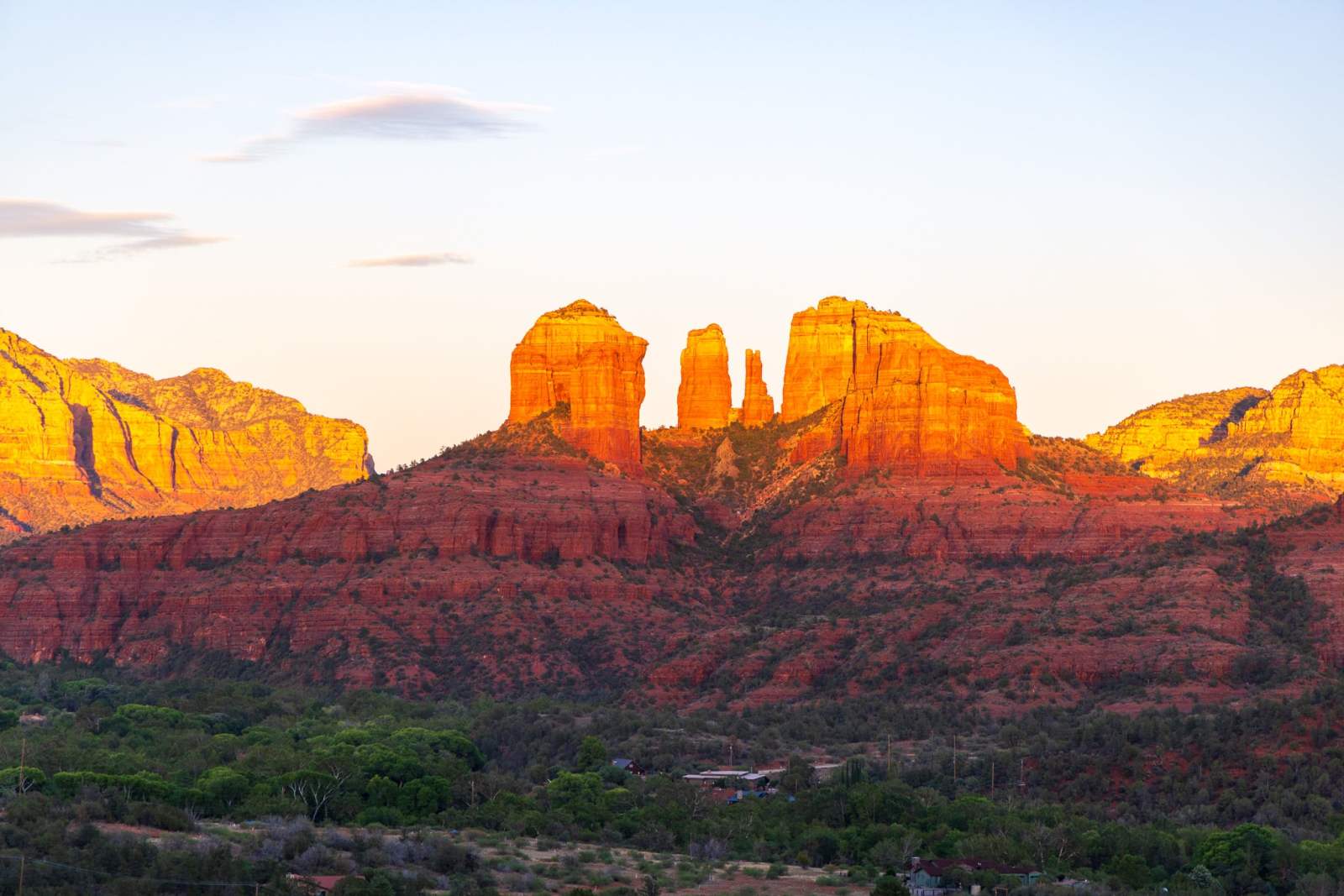
One popular stop is Sedona, known for its red rock scenery, hiking trails, and scenic drives. The expansive red rock formations surrounding the town of Sedona are unmatched in beauty and vibes. In Sedona you can explore desert landscapes at a different elevation, and add to your Arizona adventure before continuing north.
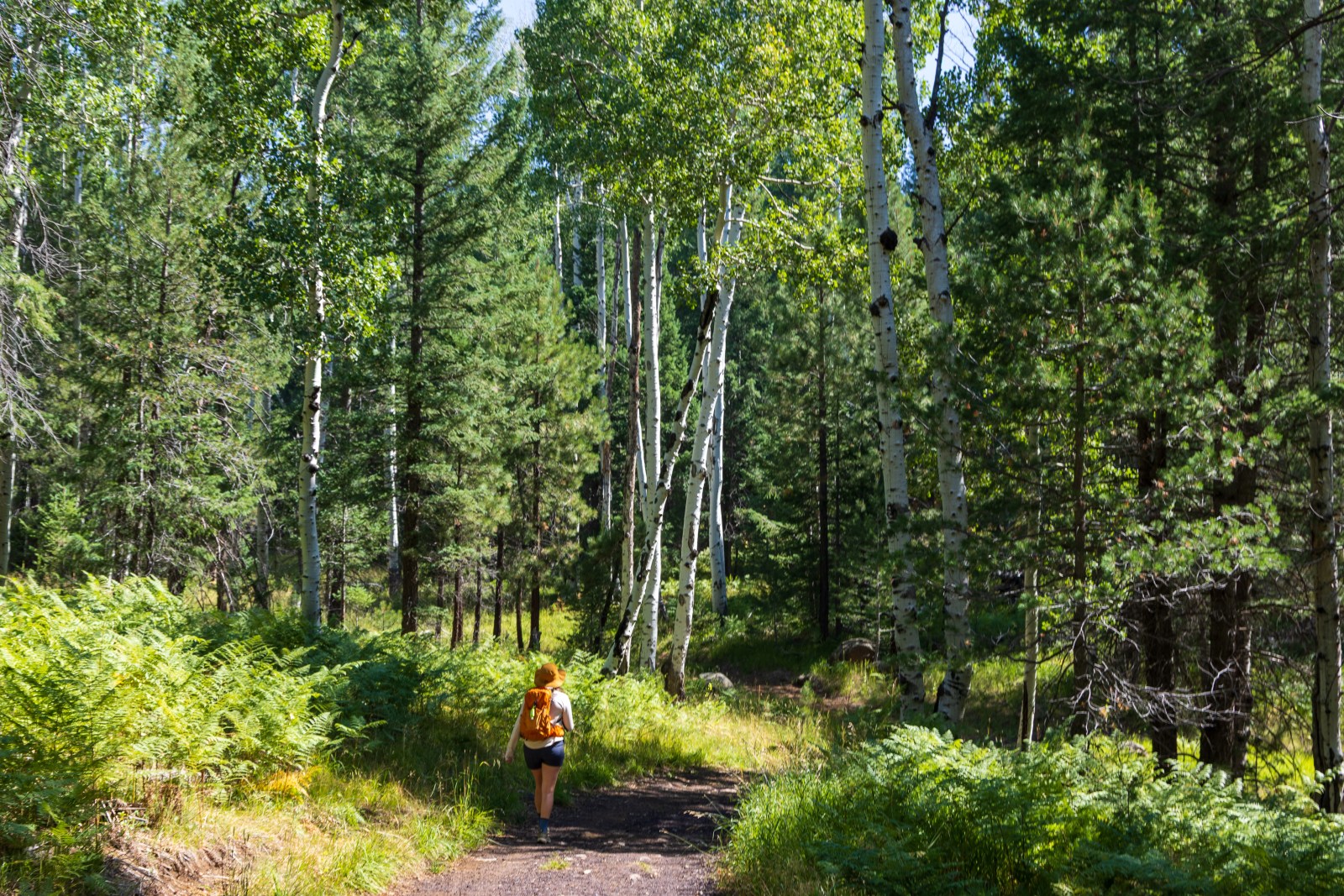
Farther along the route, Flagstaff offers a completely different environment. Sitting at a much higher elevation, Flagstaff is cooler, forested, and surrounded by mountains. It’s a great base for hiking, visiting nearby national monuments, or simply breaking up the drive with a change of scenery.
If you’re planning a road trip to Horseshoe Bend from Phoenix, both Sedona and Flagstaff are worth considering depending on how much time you have and what type of experience you’re looking for. We’ve shared detailed guides for each location to help you decide which stops make the most sense for your trip.
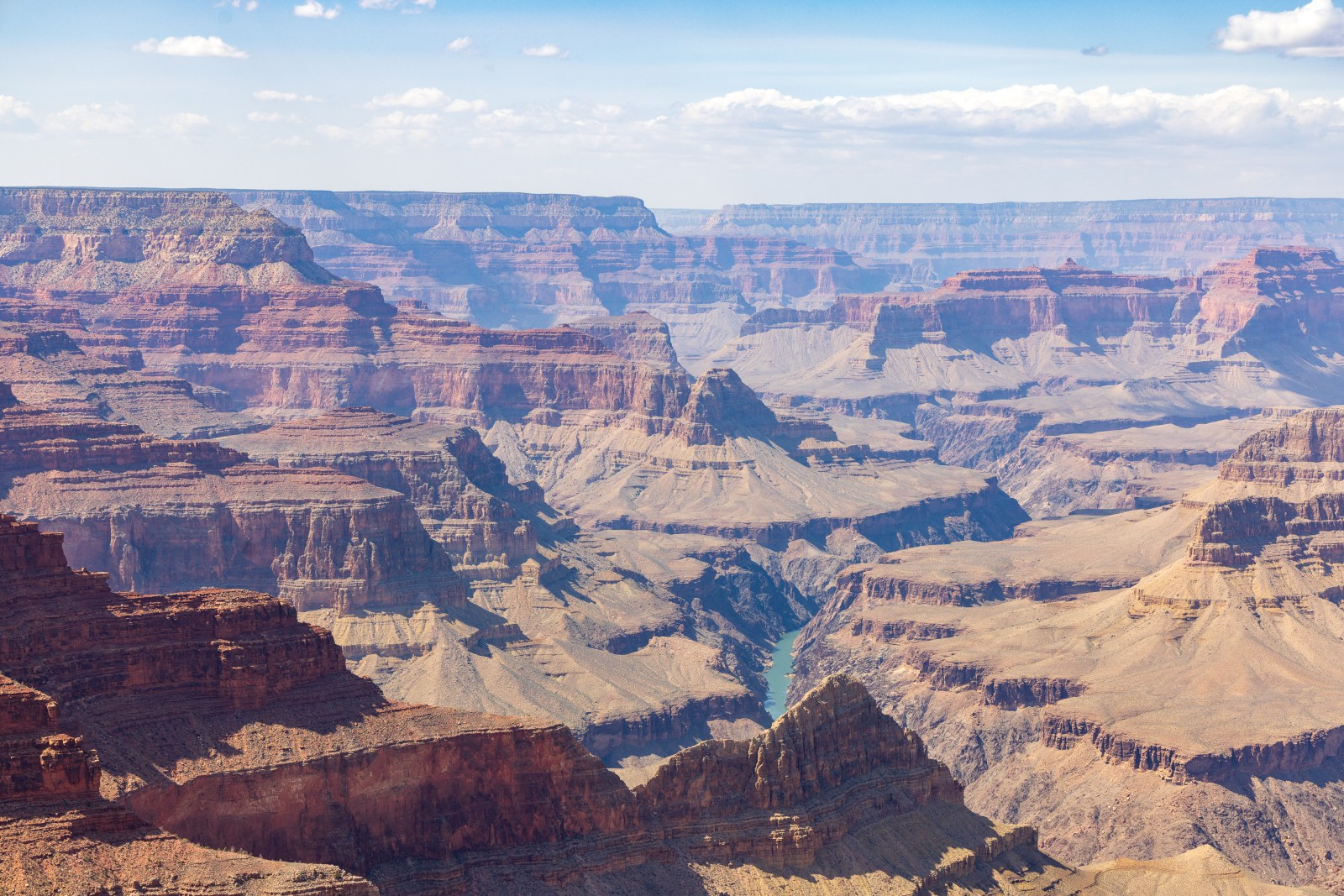
Last but not least, if you’re not continuing north after Horseshoe Bend, you could always stop in Sedona and Flagstaff on your way back to Phoenix. Normally, we’d highly recommend stopping at the Grand Canyon North Rim if it were open. However, due to the 2025 Dragon Bravo Fire, the North Rim Lodge is destroyed and so are many of the other visitor facilities. Instead, we suggest visiting the South Rim by taking the exit from Cameron, AZ and entering the east side of the park.
Additional Guides to Consider

Arizona Road Trip: Monument Valley & Grand Canyon
The blog post covers a summer camping road trip across Northern Arizona, exploring various National Parks and Monuments. The trip includes visits to Hubbell Trading Post, Canyon de Chelly, Monument Valley, Navajo National Monument, and the North Rim of the Grand Canyon, offering tips and recommendations for each stop.
The AZ Hikeaholics Top Gear Recommendations
Gear for the trail ranges from what’s in our pack to what’s on our back and feet. Here you’ll find what we trust and bring, including the essentials and what keeps us comfortable!
3 Day Arizona Itinerary: Phoenix, Grand Canyon, and Sedona
If you’re visiting Arizona for the first time, start with exploring the Superstitions and Lost Dutchman State Park near Phoenix. Then, head to the Grand Canyon and Sedona for awe-inspiring natural wonders. On the third day, immerse yourself in art and culture at the Desert Botanical Garden and other city attractions in Phoenix.