Why Visit Death Valley
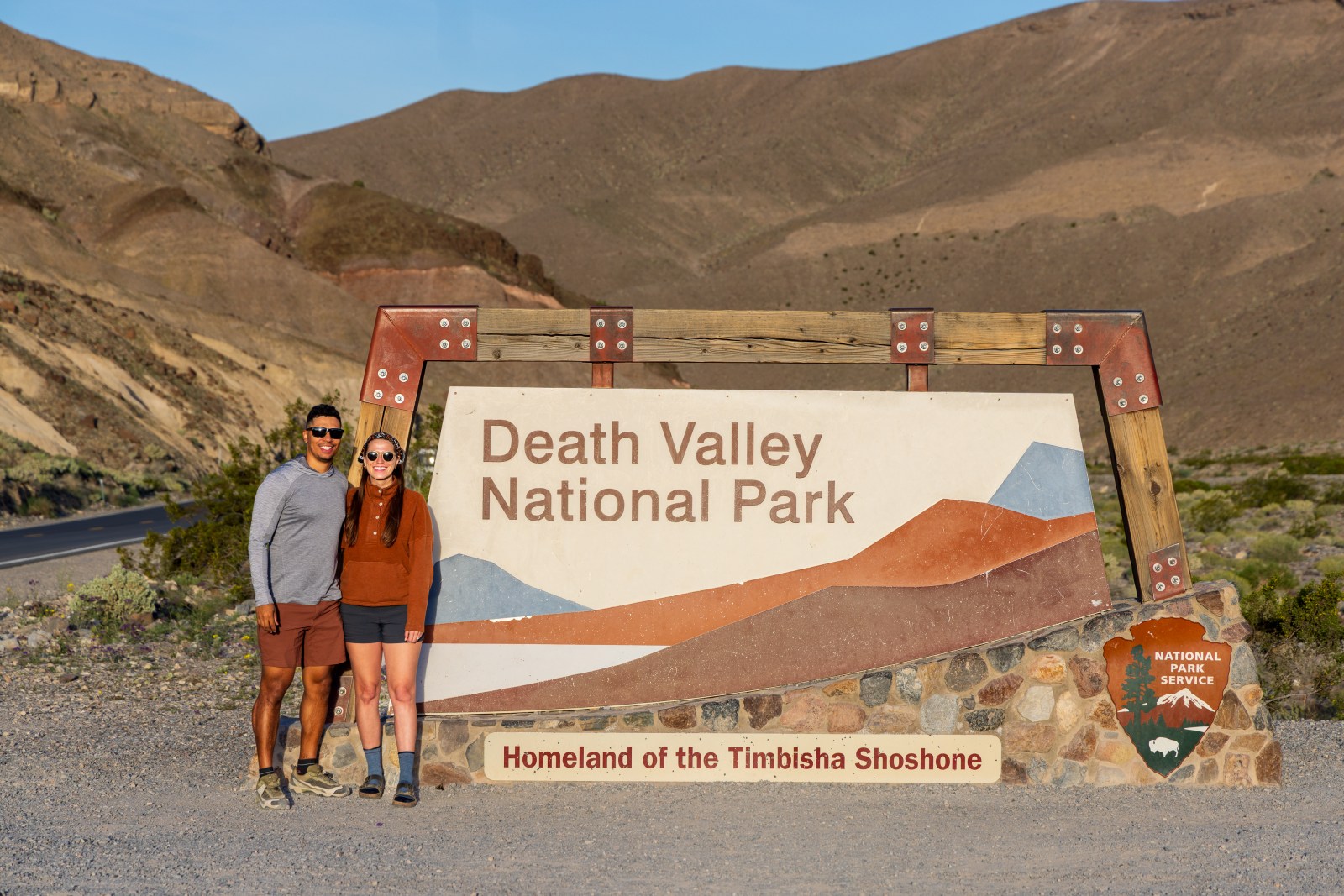
Death Valley National Park encompasses 5,270 square miles and is the fifth largest of the US national parks. The summers are brutal with scorching temps and very dry conditions. However, late fall through early spring can be quite enjoyable, sometimes a little chilly, in the park. Death Valley is one of our favorite places with tall mountain ranges, the lowest land in North America, sand dunes, canyons, rare salt lakes, and more. There are many different sites to visit, both historical and natural. Death Valley has a rich history of cultural significance to first nations and later to American westward expansion and efforts to use resources from the area. It’s worth the visit!
Things to Know & Do Before You Go
No dogs on trails – Dogs are allowed in the park but not on trails
No drones – Drones are not permitted anywhere in the park
Extreme heat – Temperatures can be dangerous, especially in warmer months, so plan accordingly
Windy location – Death Valley can be quite windy, especially in the springtime
Limited cell service – Expect little to no service throughout most of the park
Gas is limited – Fuel is available, but expensive and sparse
Sunrise and sunset times – helpful for timing for optimal lighting and colors
Download maps for offline – make sure you have digital maps downloaded to your vehicle navigation or phone so you can use them without cellphone service. It’s also helpful to download the park in the free NPS mobile app
The sun is intense – Bring an ample amount of water and sun protection (hats, sunscreen, long sleeves, etc)
Zabriskie Point
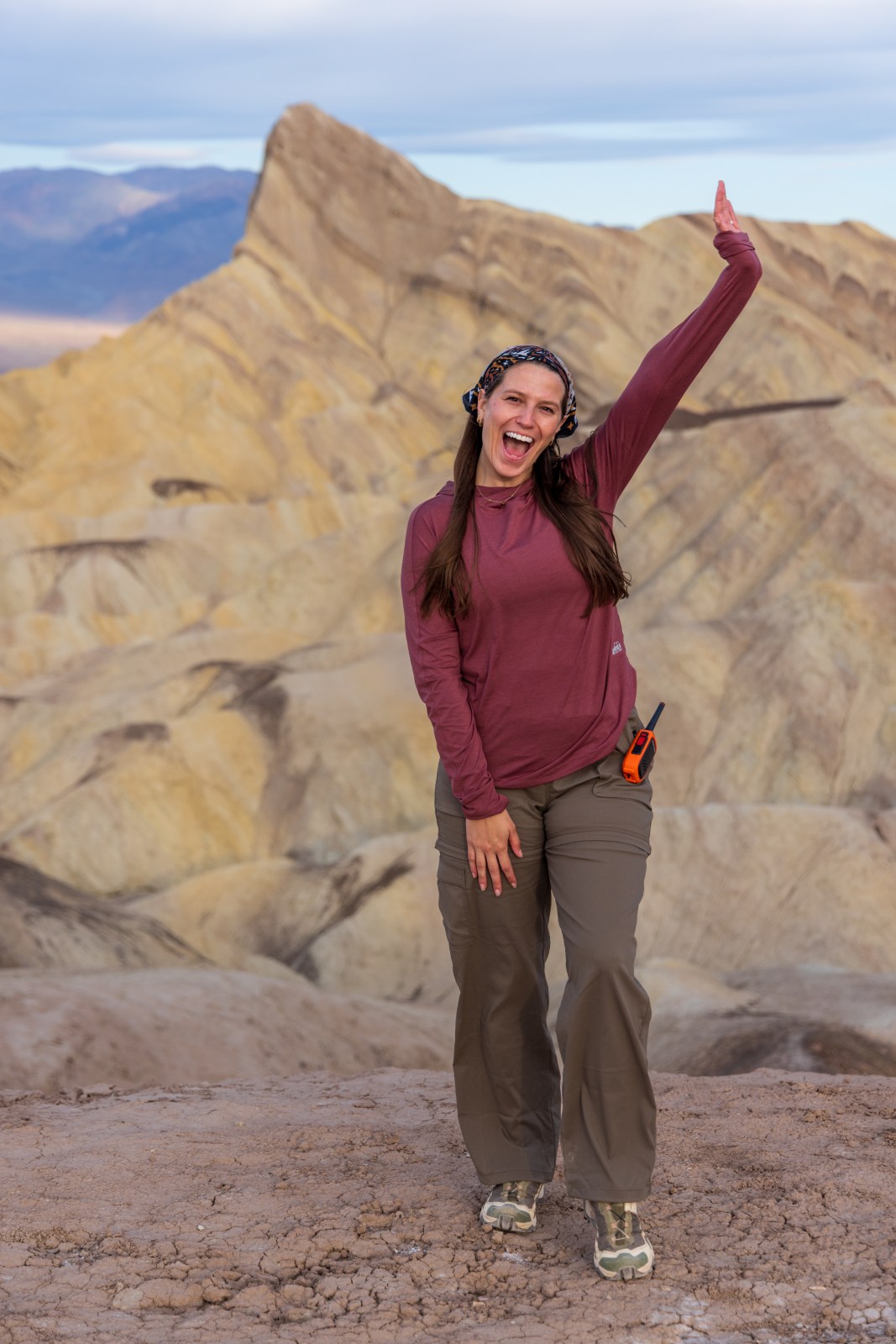
This is a popular stop in the Death Valley National Park for good reason. First, it’s near the main entrance on the east side. Second, it’s easy to get to. Third, it’s beautiful with sweeping views of the badlands, badwater basin, and the iconic Manly Beacon. The path up the viewpoint is paved and not too long. There are vault toilets at the trailhead and some overflow parking available. Additionally, you can hike into the badlands below on Bandlands Trail.


Badwater Basin
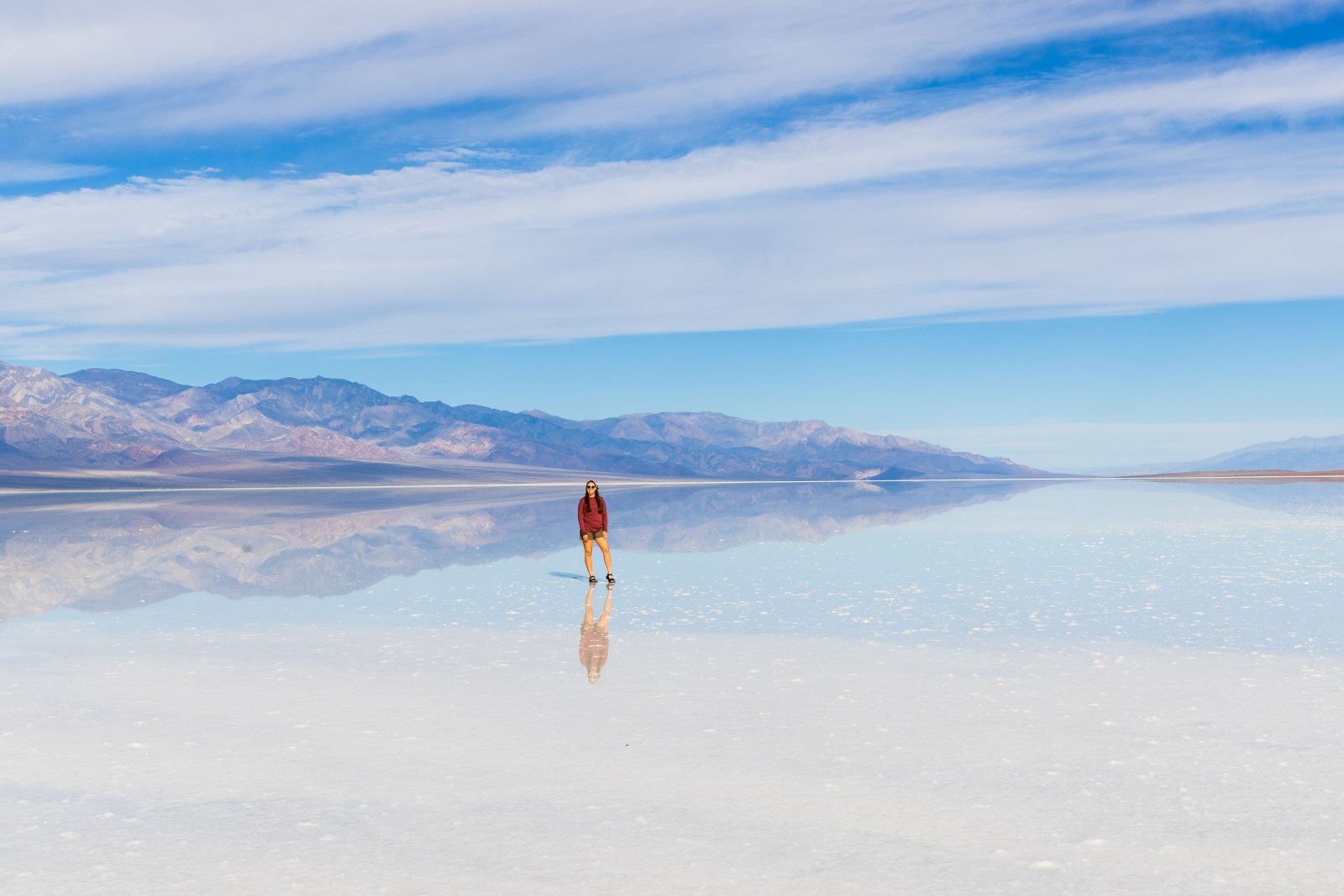
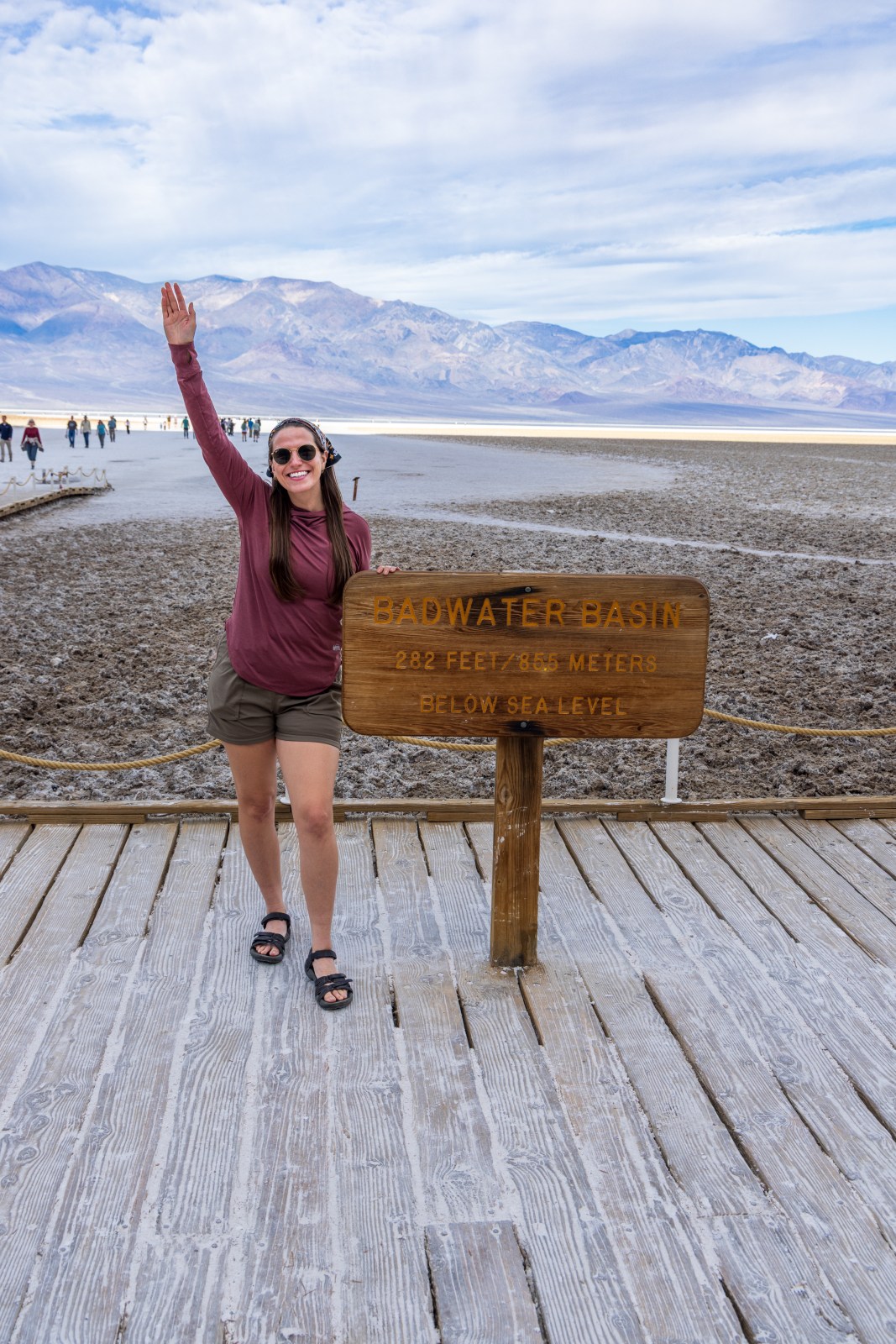
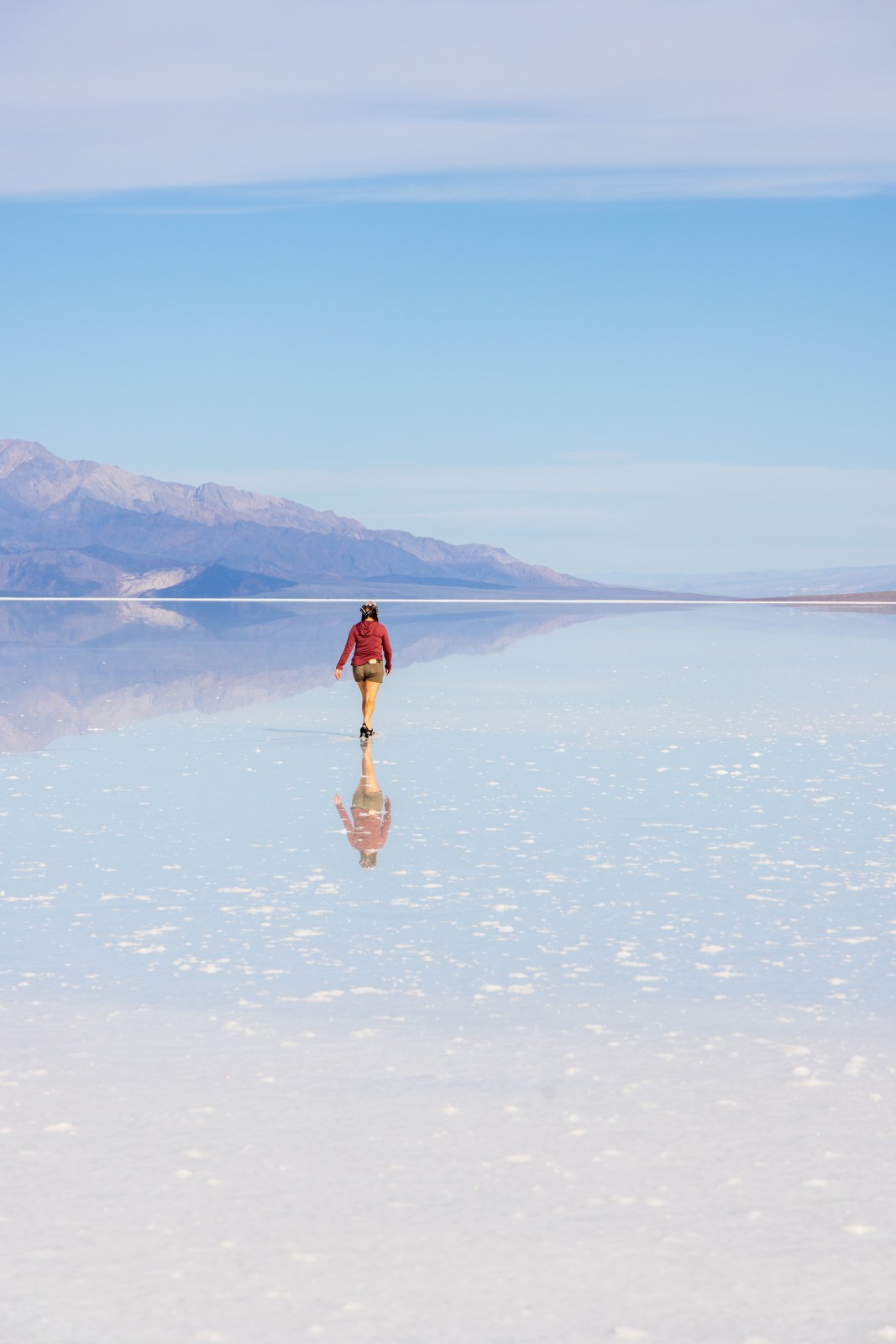
Death Valley’s most famous attraction is Badwater Basin. Typically, the salt flat basin is dry, very dry. The salt dries into a hexagonal pattern which is quite cool on its own. However, when the conditions are right over the park and surrounding mountain ranges, Lake Manly appears. There needs to be enough rainfall in the park and snow in the mountains. Badwater Basin is 282 feet below sea level, the lowest point in North America.


Mesquite Flat Sand Dunes
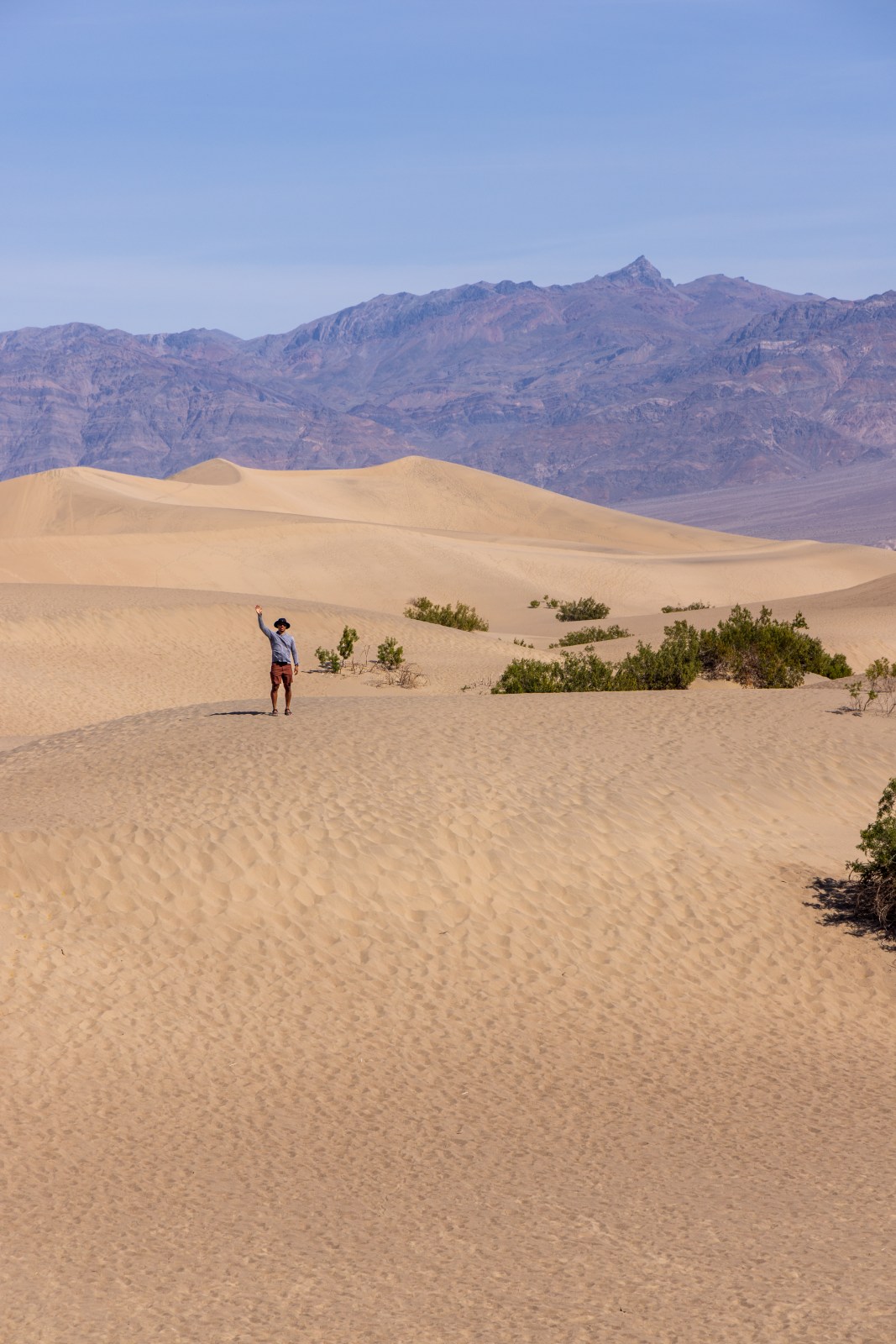
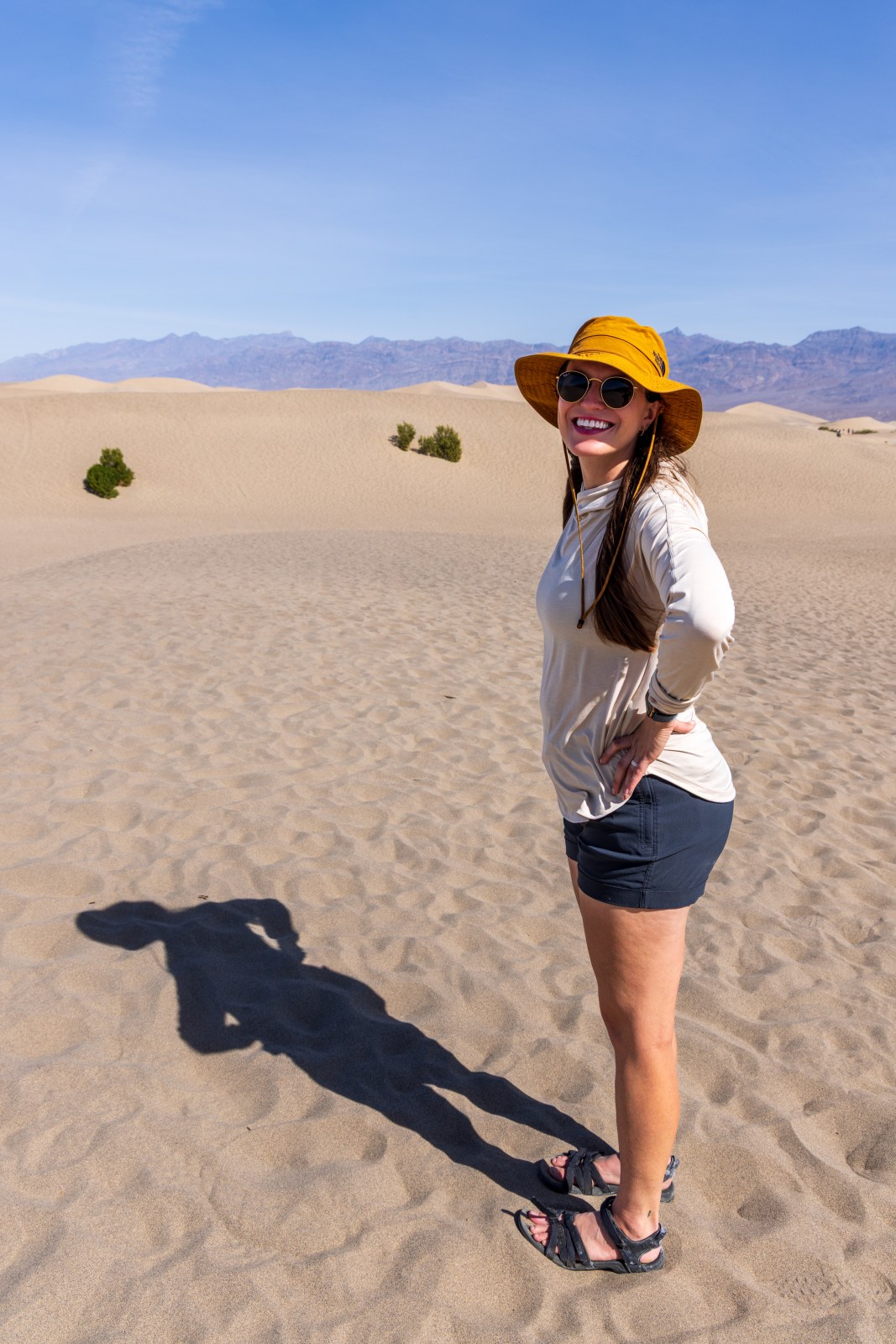
The Mesquite Flat Sand Dunes are actually one of many different sand dunes in Death Valley National Park. The Mesquite Flat Sand Dunes are easier to get; the road is paved and they’re much closer to the center of the park. If you can get out onto the dunes, we recommend it, because the views are fantastic. However, please remember there is very limited shade and the sand can get quite hot. We think strap sandals are best compared to shoes or going barefoot.


Artist's Palette
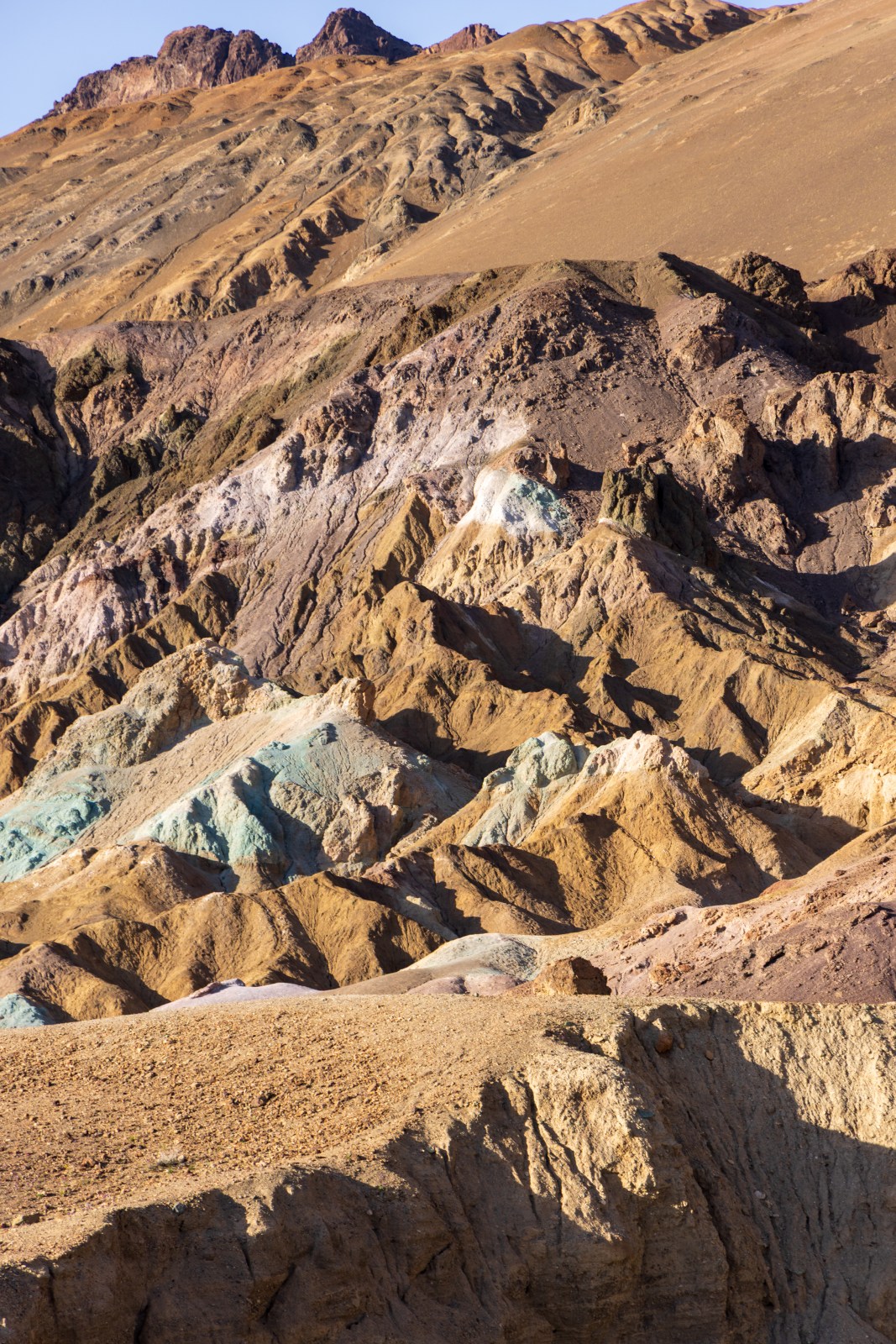
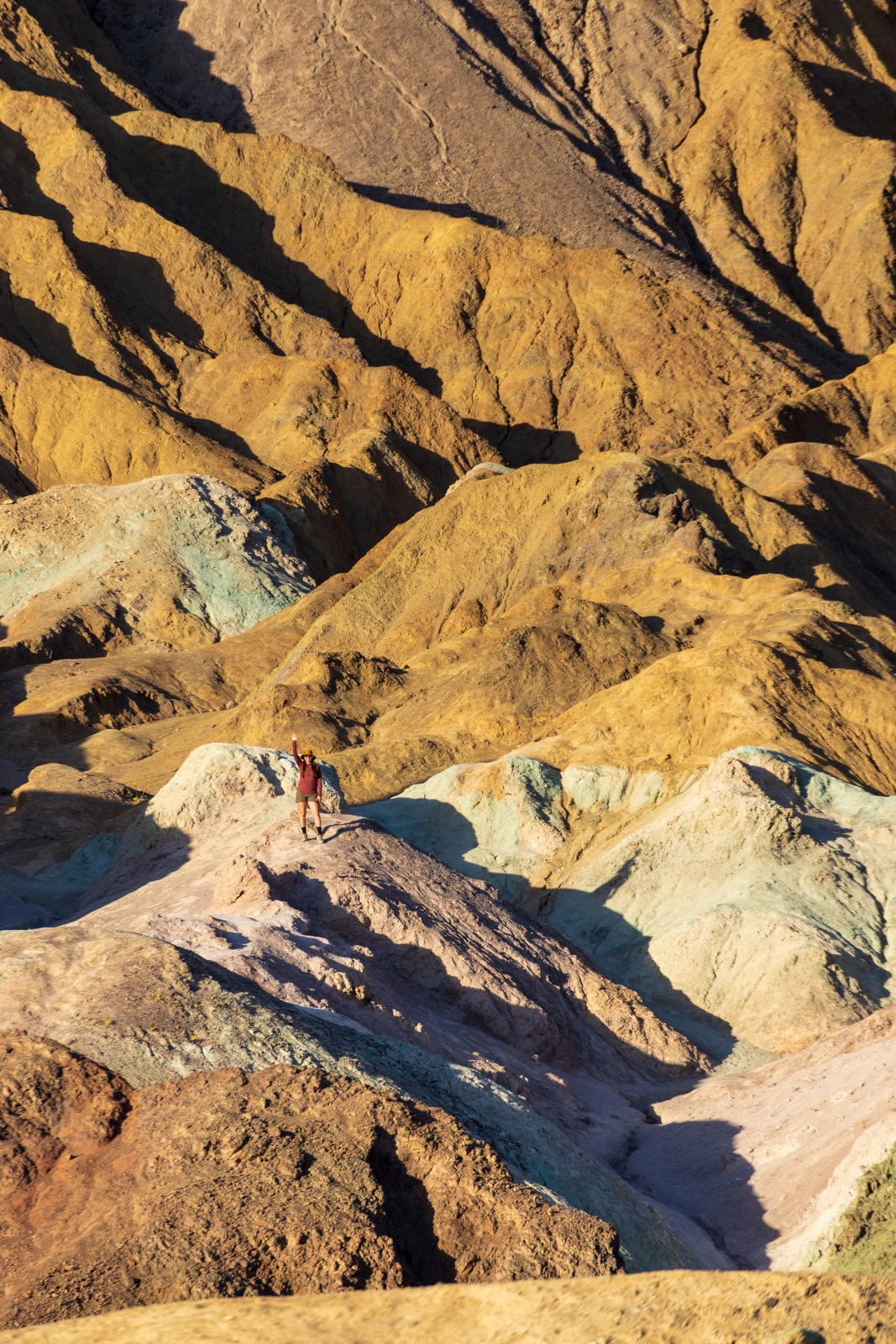
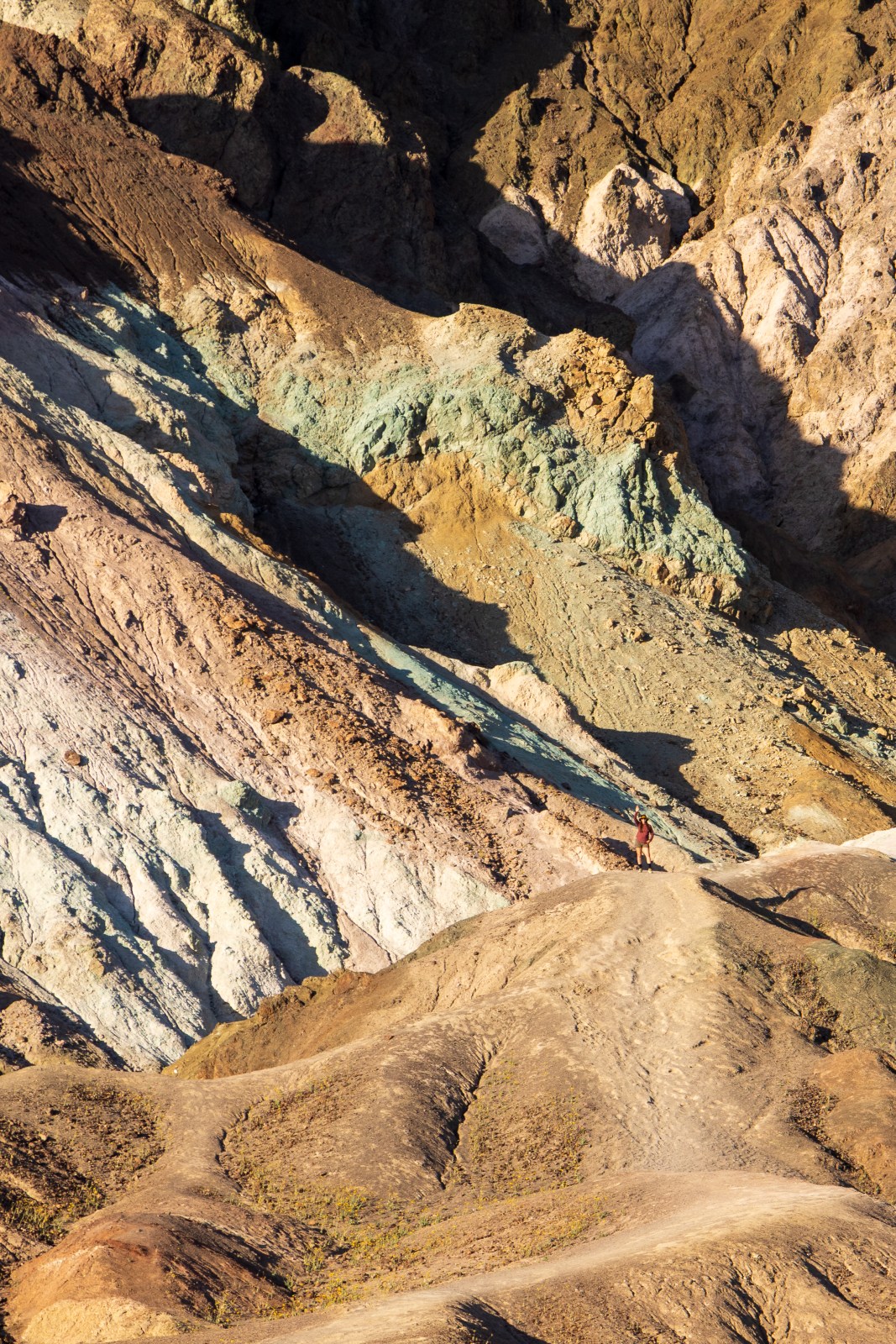
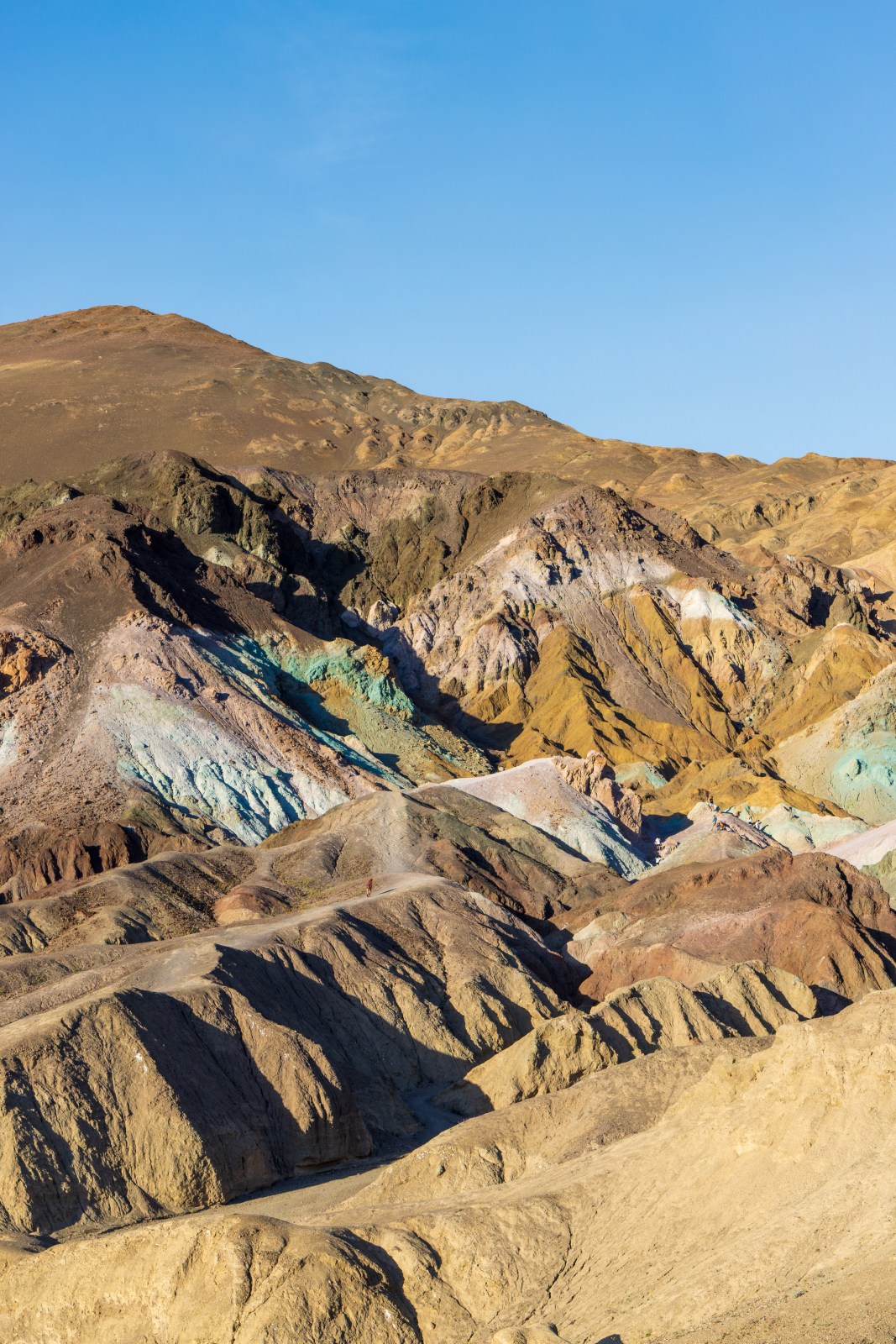
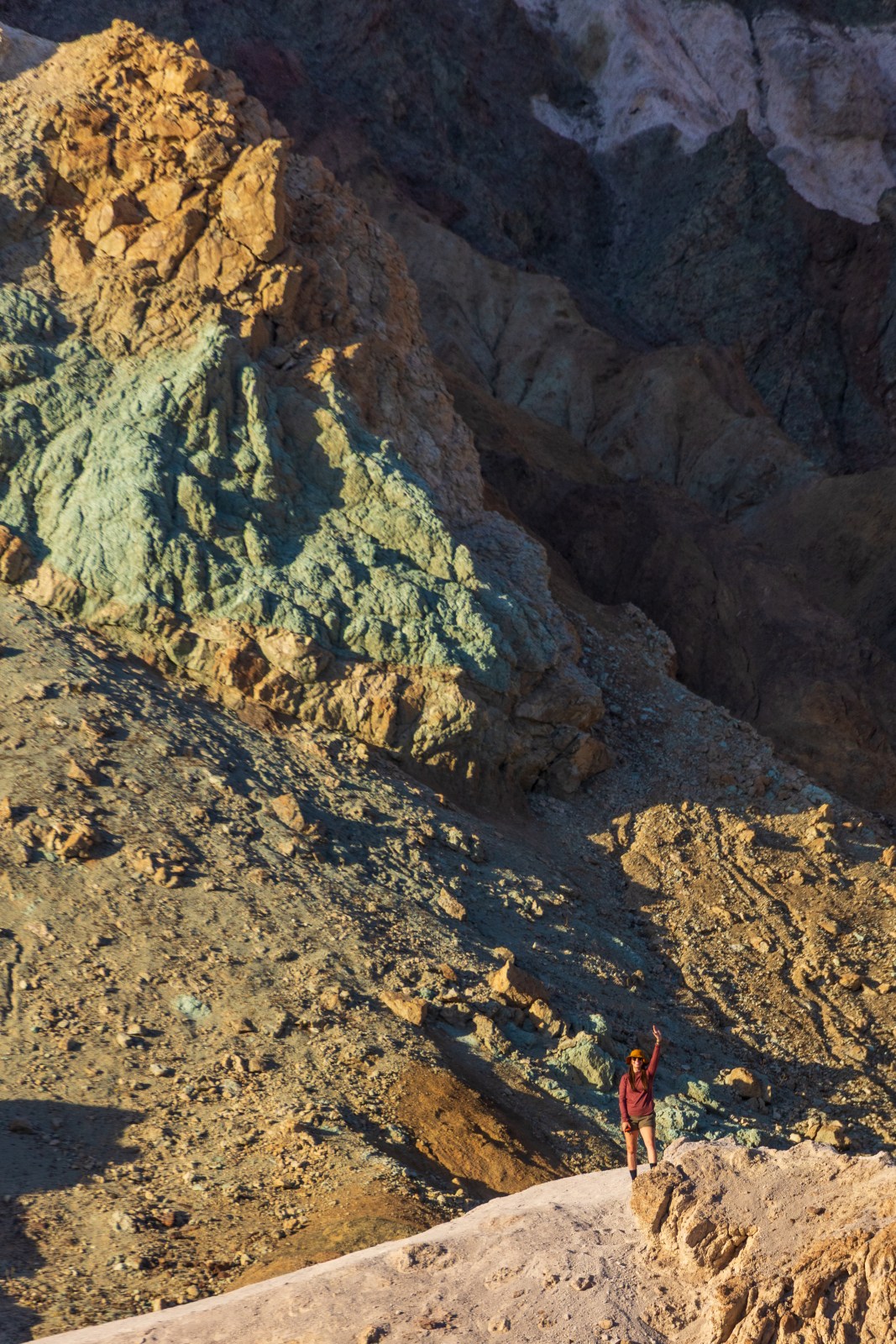
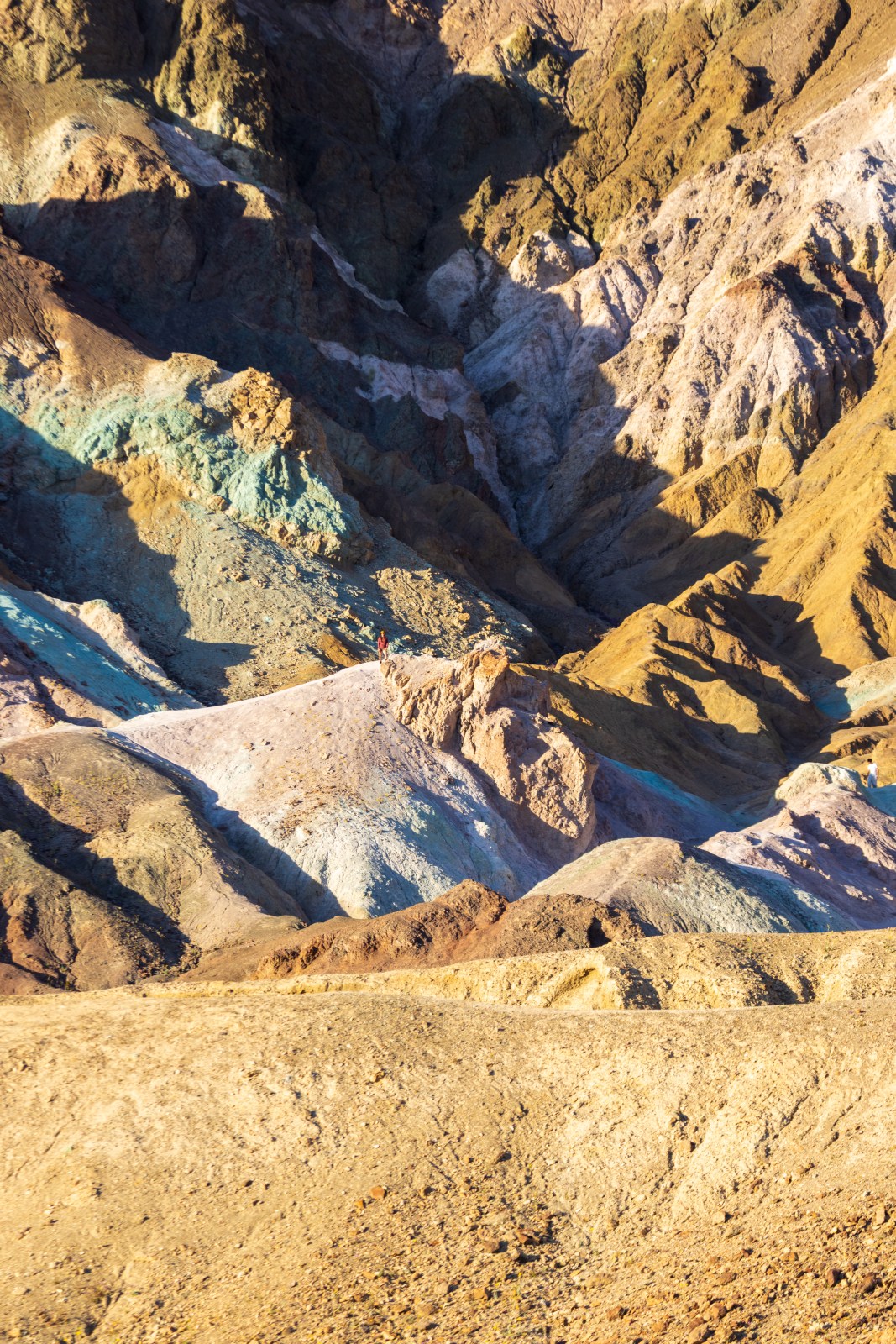
Another icon of Death Valley, Artist’s Palette is one of the most photographed locations in the park. The colorful rocks feel out of this world and are really cool to see in person. It’s definitely worth the stop in our opinion!


Natural Bridge
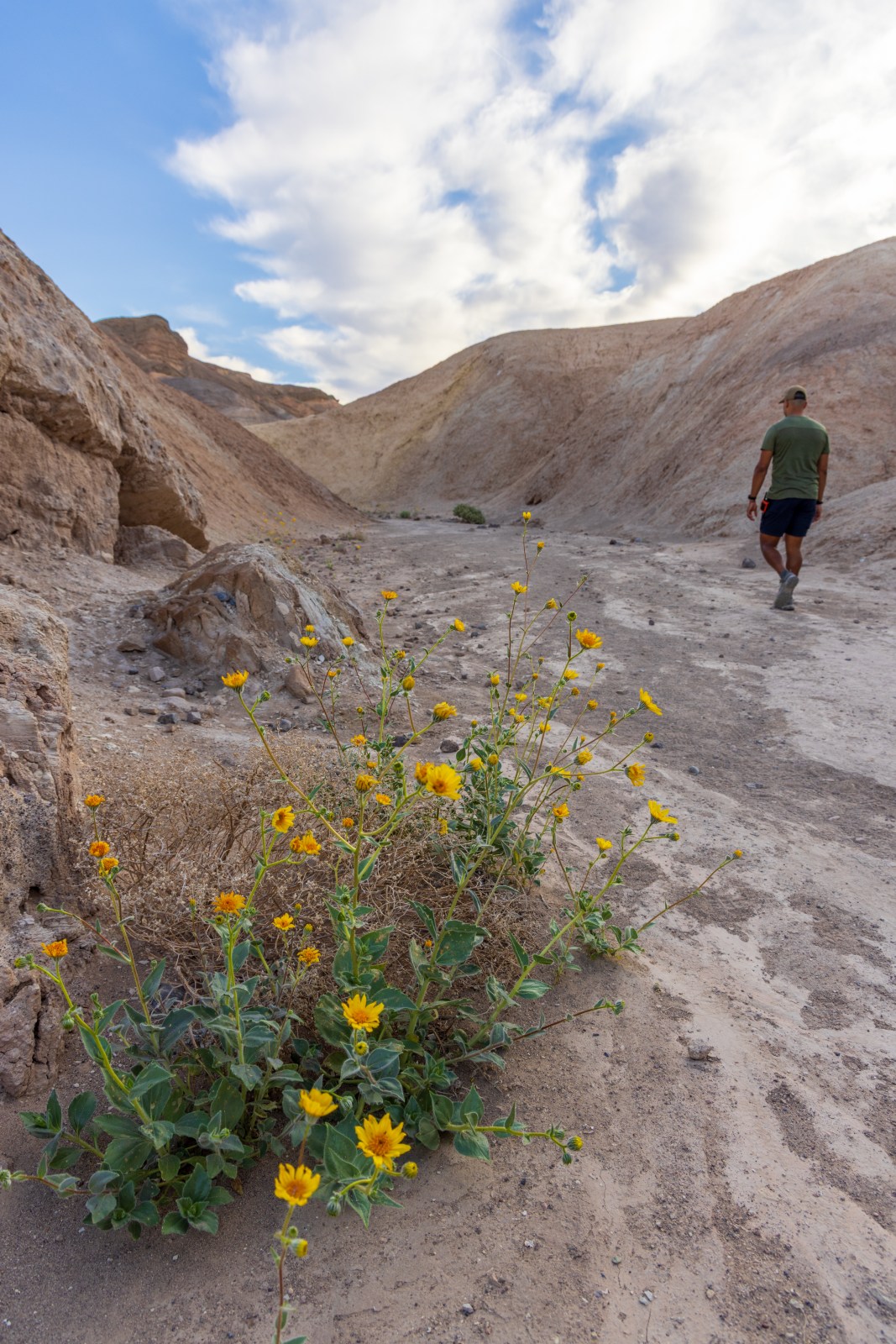
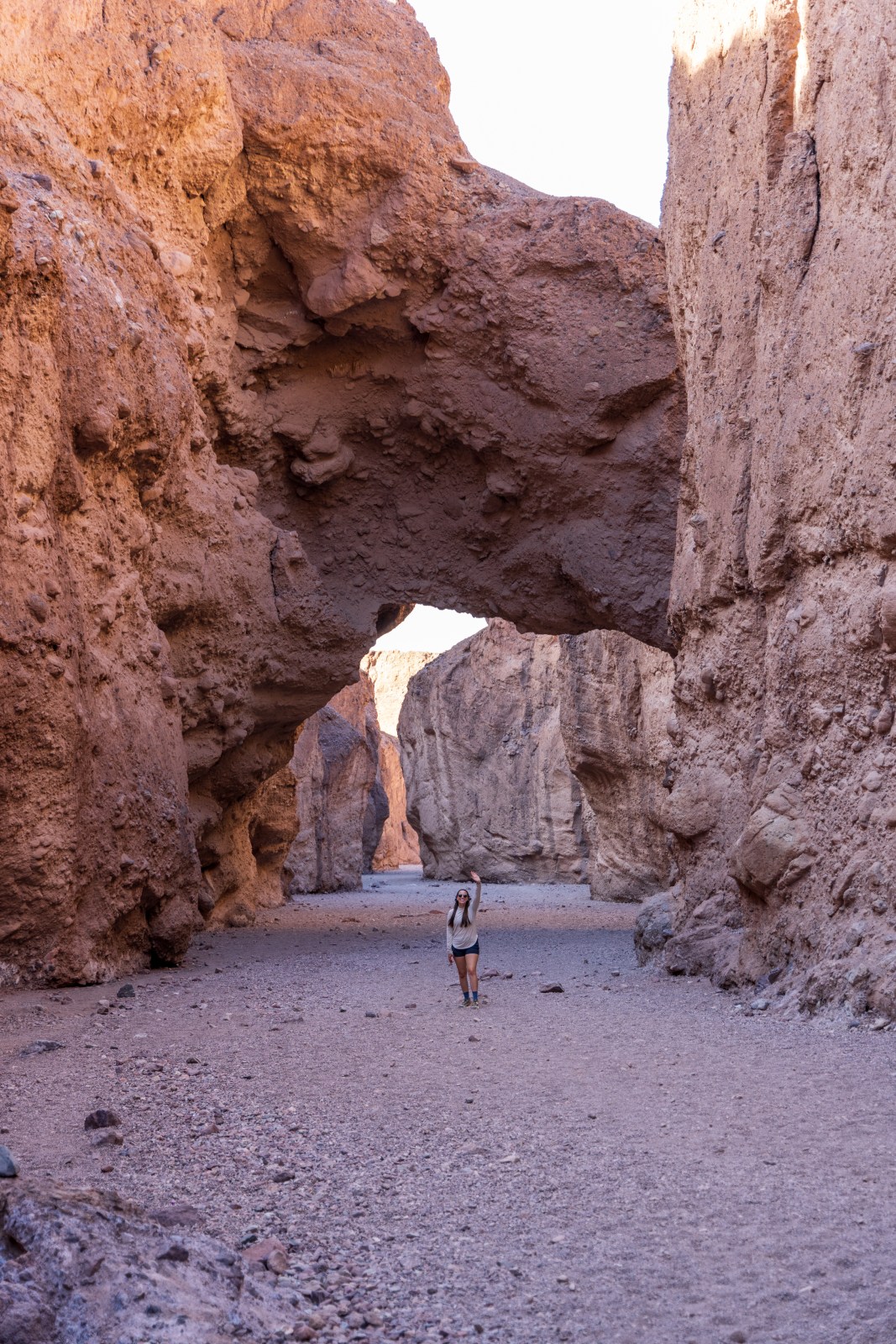
The Death Valley Natural Bridge can only be seen by foot on a hiking trail. However, the bridge itself is only 0.3 miles from the trailhead and the trail isn’t difficult. The trail does go through a canyon with a continuously slight uphill grade. Some portions of the trail are through soft gravel wash bed that gives way with each step. We highly recommend continuing past the natural bridge and further into the canyon. Lighting is best in the morning and late afternoon.


Echo Canyon
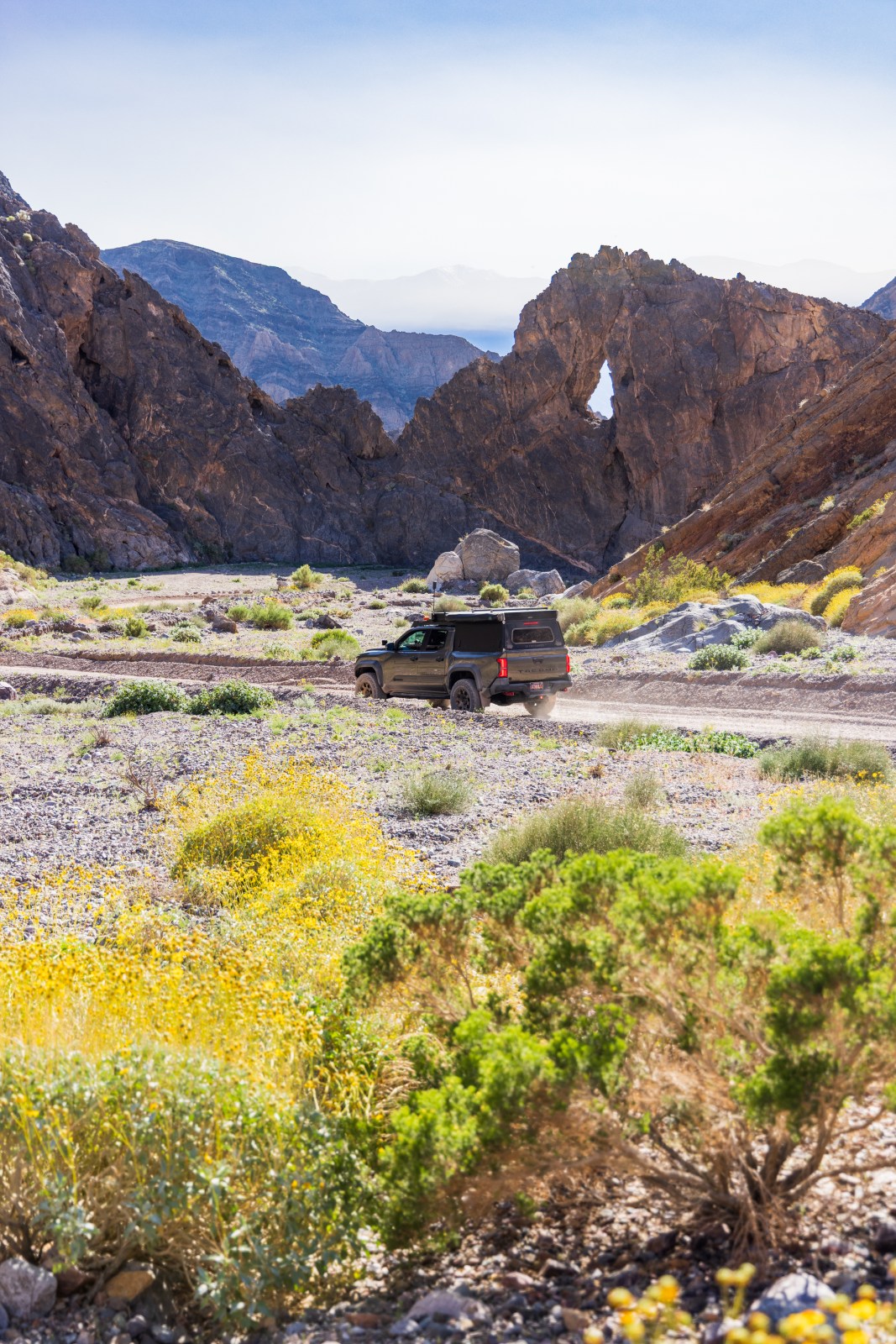
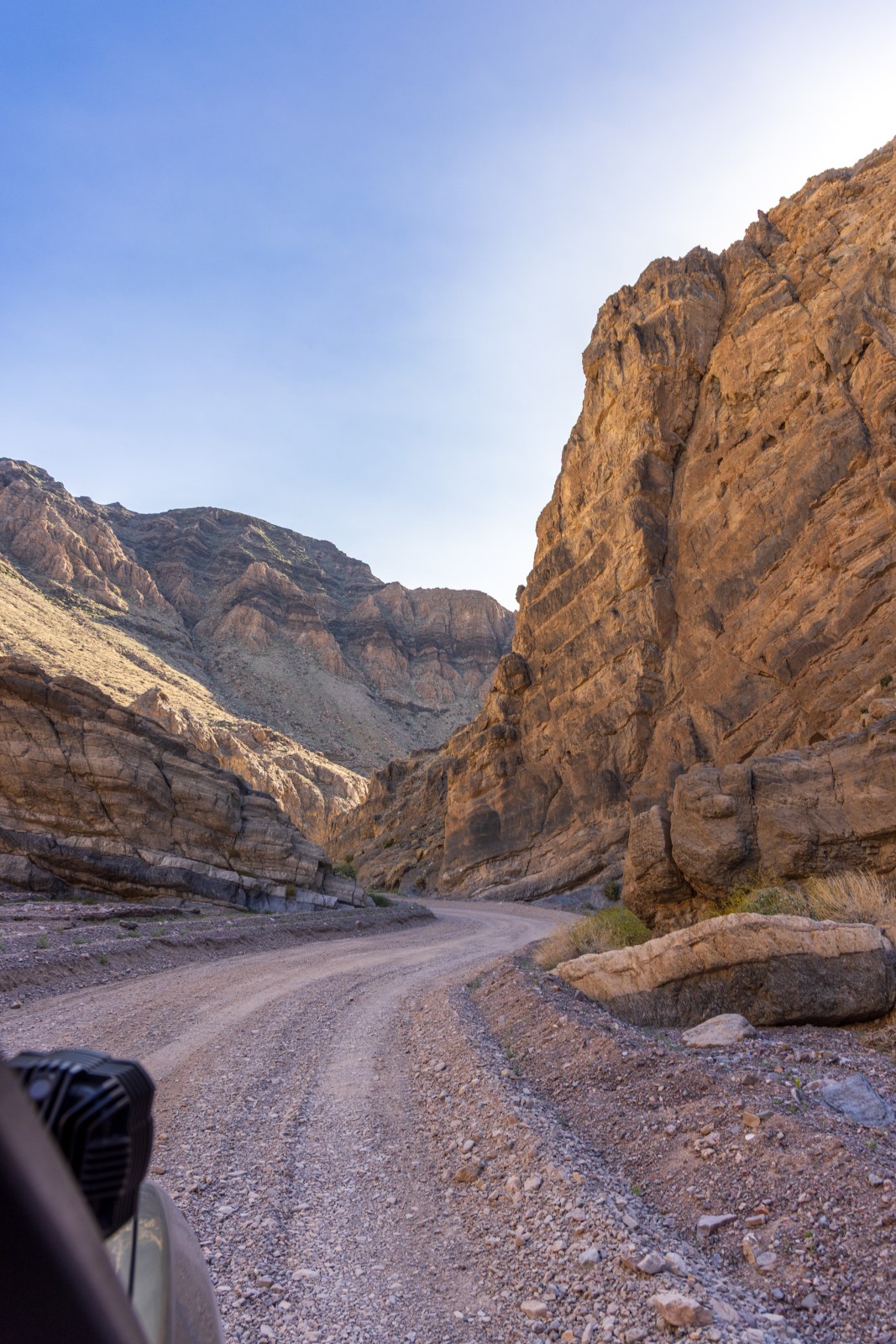
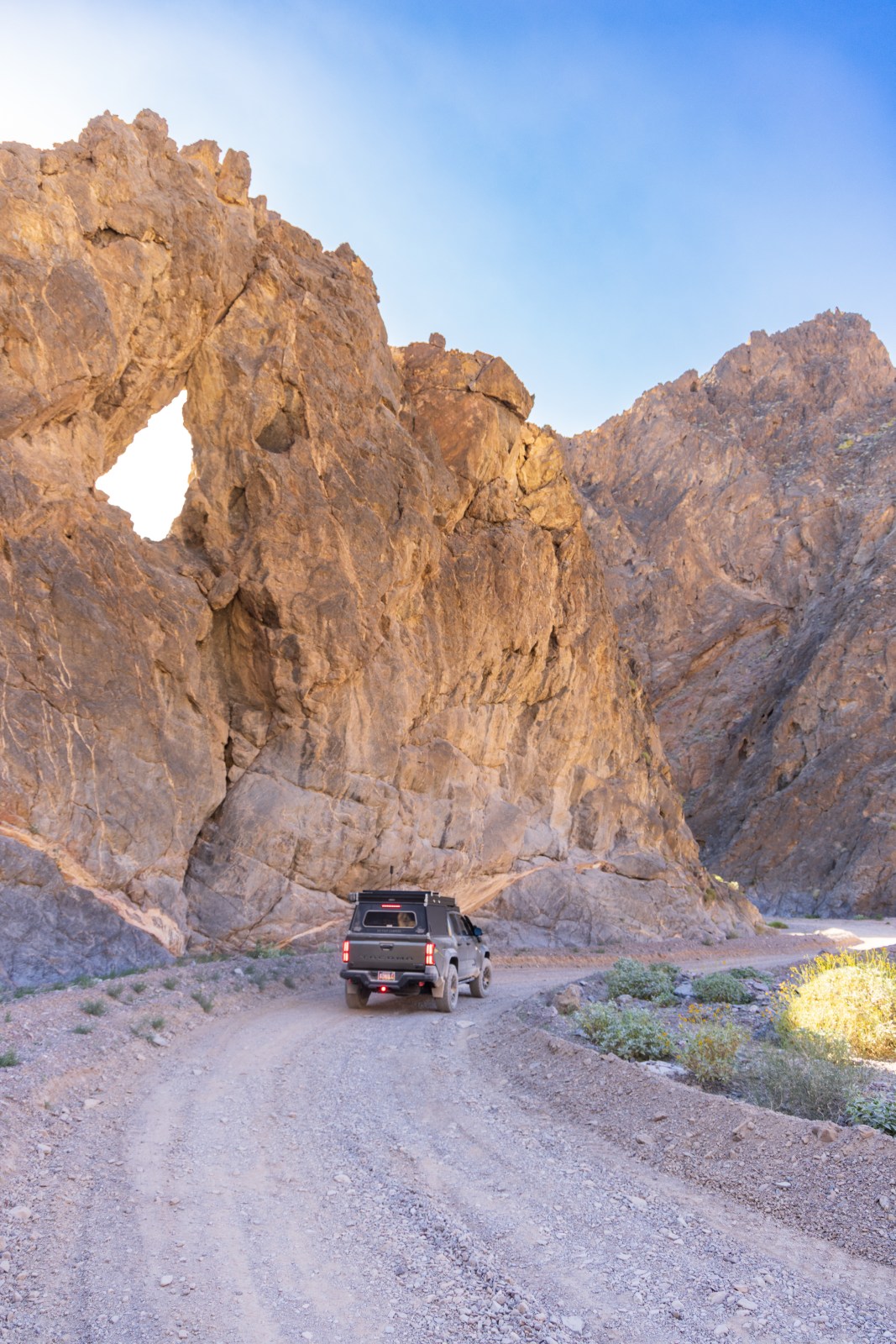
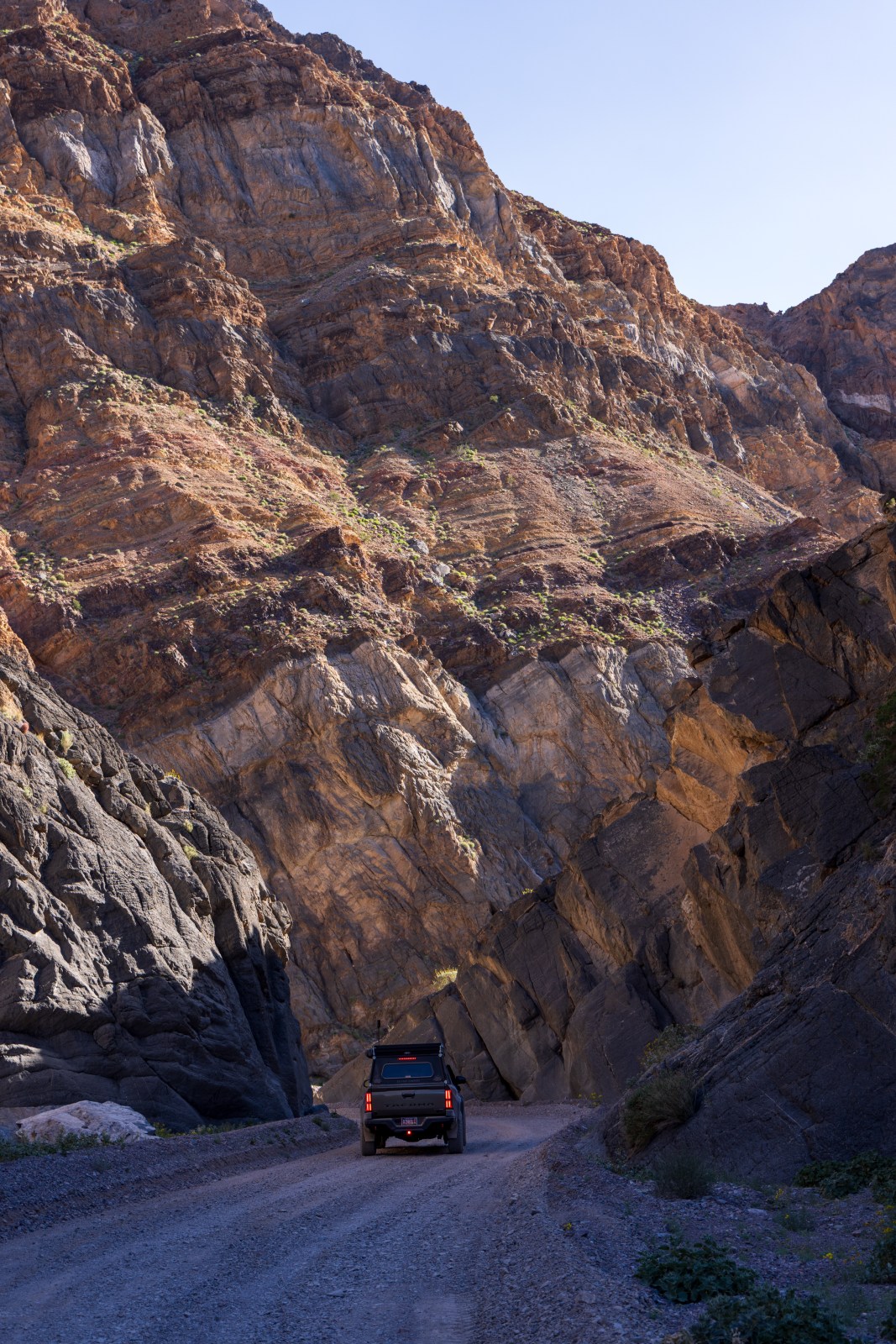
Echo Canyon was not on our itinerary our first time in Death Valley and it wasn’t on the original itinerary for our second visit either. However, we were sitting at lunch and saw it on the map and decided to check it out. We’re sure glad we did! The Echo Canyon drive is less than 10 miles out and back. We recommend 4WD or at least AWD and some ground clearance similar to a Subaru or better.


Dantes View
Dantes View is 5,575 ft (1,699 m) above Badwater Basin in Death Valley National Park is a great place to catch sunrise or sunset! On a clear day the soft light creates a magical glow over the valley. We’ve never been at night to see the stars, but the park says it’s an incredible place to see the stars. The drive up to the road does twist and turn near the top, drive slow and with caution.
Devil's Golf Course
The Devil’s Golf Course is made up of fascinating rock salt. But be careful, lauren snagged her tights on the sharp rock and ripped a hole in the leggings. If you listen carefully, you’ll probably hear sounds like tiny pops and pings. Death Valley National Park says it’s the sound is billions of tiny salt crystals bursting apart as they expand and contract in the heat.
Titus Canyon
Titus Canyon in Death Valley National Park is currently closed to vehicles due to flash flood damage from severe rainfall the last couple years. However, the park believes it will open in 2027 if it can be repaired on schedule. This is one of the coolest drives in the park that wasn’t extremely challenging yet offered amazing views. It’s a long journey from Furnace creek, but worth it. Make sure to stop at the ghost town of Leadville when the road is back open. We don’t know what the road will be like once reopened and suggest checking the DVNP website for updates.
Death Valley Itinerary
Depending on how much time you have planned for you trip, you may be able to see all these spots and more. If you’re visiting in a day or weekend, it might be more challenging. We recently visited in March 2026 during the superbloom and have our full itinerary available here.

The AZ Hikeaholics Top Gear Recommendations
Gear for the trail ranges from what’s in our pack to what’s on our back and feet. Here you’ll find what we trust

Granola Girl Outfits: Cute and Functional Outdoor Looks
Granola girl outfits are all about comfort while enjoying the outdoors, whether camping or hiking. Soft layers, breathable fabrics, and comfy shoes are
Women’s Summer Hiking Clothes (Trail-Tested Picks)
If you’re gearing up for warm weather hikes, this guide is golden! It highlights top women’s hiking clothes focused on comfort, durability, and