Yuma, Arizona is the sunniest place in the world! Are you surprised? Located in the southwestern corner of Arizona, Yuma is on the border of California and Mexico. From Phoenix it’s about 3 hours to get to Yuma and from Tucson it’s about 3.5 hours. In our opinion, Yuma is often overlooked, but there is so much to do and see in the area! And if you’re a history buff, Yuma has a lot to contribute. For example, Yuma was once the only southern crossing location of the Colorado River, Arizona’s first territorial prison was in Yuma, it’s location on the river played a critical role in moving supplies for merchants and the Army, and has been integral in feeding America with it’s fetile farm land and Colorado River water.
What may be less known is the wildlife that calls the Yuma region home. Recently, we visited the area in February 2024, leaving Phoenix after work on a Friday to make Yuma our base for visiting the three US Fish & Wildlife National Wildlife Refuges.
Phoenix to Yuma
What is a National Wildlife Refuge?
The National Wildlife Refuge System is the only system of federal lands dedicated specifically to wildlife conservation. Teddy Roosevelt established the first refuge unit in 1903 to protect birds from market hunting on a small island in Florida. Refuges are found in arctic tundra, tropical rainforests, coral reefs, coastal marshes, arid deserts, and tall-grass prairies. There is a national wildlife refuge in every state and within an hour’s drive of most major metropolitan areas.
While the primary mission is for wildlife conservation, wildlife-dependent recreational uses are also prioritized when compatible with the conservation purposes of each refuge. Overall, the National Wildlife Refuges form virtual highways for birds along the major flyways used in annual migration.
Day 1
Imperial National Wildlife Refuge
Imperial National Wildlife Refuge protect wetlands and marshes of the last un-channelized section of the Colorado River before its waters enter Mexico. These wetlands provided excellent resting, feeding, and nesting habitat for a variety of migratory birds and other wildlife. We were up quite early Saturday morning so we could watch the sunrise at Imperial National Wildlife Refuge. Although just outside of Yuma on a map, the drive to get to wildlife refuge access is about 50 minutes from town. To us, the drive didn’t feel too long. A good chunck is through the Army’s proving grounds. We do not suggest stopping and exploring that area. Access to the Imperial visitor center is limited based on their hours of operation. However, locations like Meers Point, the Painted Desert Trail, and viewpoints along Red Cloud Mine Road are open from dawn to dusk daily.
Martinez Lake + Viewpoints
Egret flying over Martinez Lake
Mesquite Observation Point
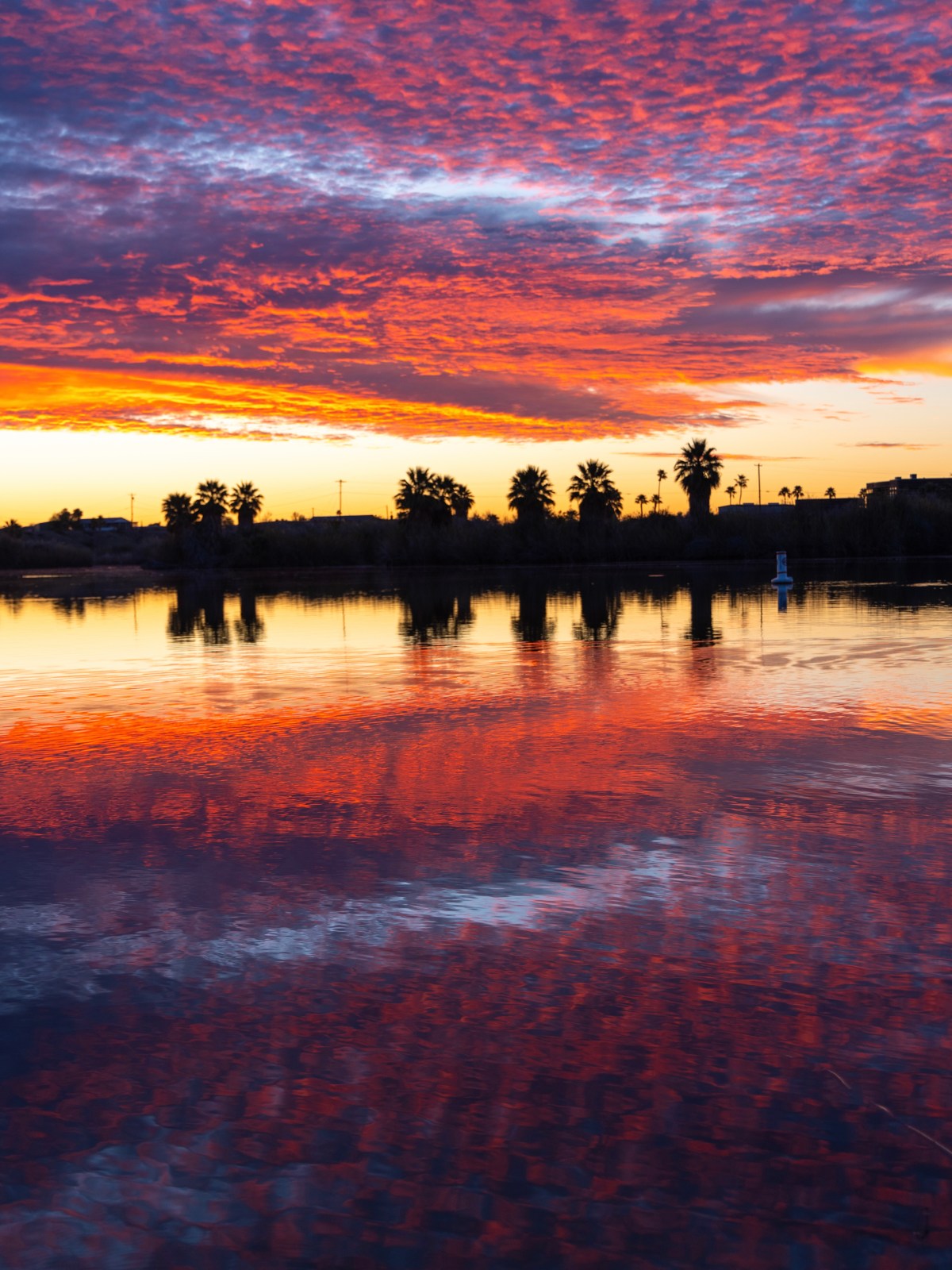
Meers Point at Martinez Lake at sunrise
Meer Point at Martinez Lake at sunrise
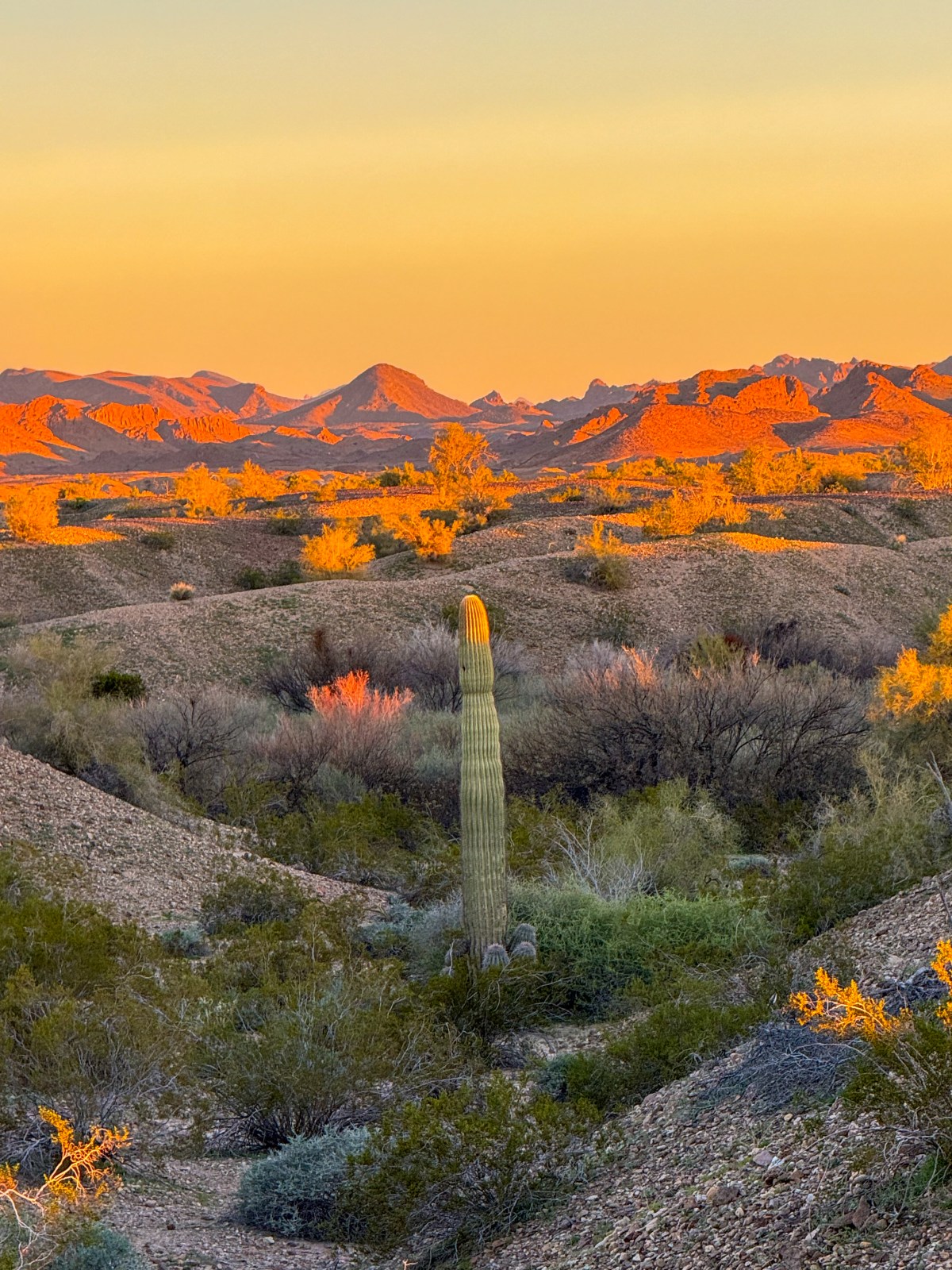
View near the start of Red Cloud Mine Rd
Mesquite Observation Point
Meers Point at Martinez Lake & blue heron
Meers Point Martinez Lake at sunrise
We got to Meers Point just as the sun was starting to rise and were able to catch some incredible colors! The birds were active and we saw many species including Great Blue Herons and Great Egrets. After spending time at Meers Point we went to some of the viewpoints off Red Cloud Mine Road and hiked at Painted Desert Trail. Red Cloud Mine Road is a dirt road that isn’t challenging, but can be subject to flooding, puddles, and mud. We did see a sedan on the road, but not sure we’d suggest it. Around the Yuma and La Paz County line just past the Painted Desert Trailhead, the road is not maintained and it quickly becomes a more challenging road requiring high clearance and 4WD.
It was quite enjoyable at the observation points: Palo Verde, Mesquite, and Ironwood. The birds were quite active and the sun was continuing to climb, brightening up the mountains along the way. You are able to fish and recreate on the lake. In the summer this is a popular area for boats and to take a dip in the water.
Good to know: Certain areas of the water are closed October 1st through the last day of February
Painted Desert Trail
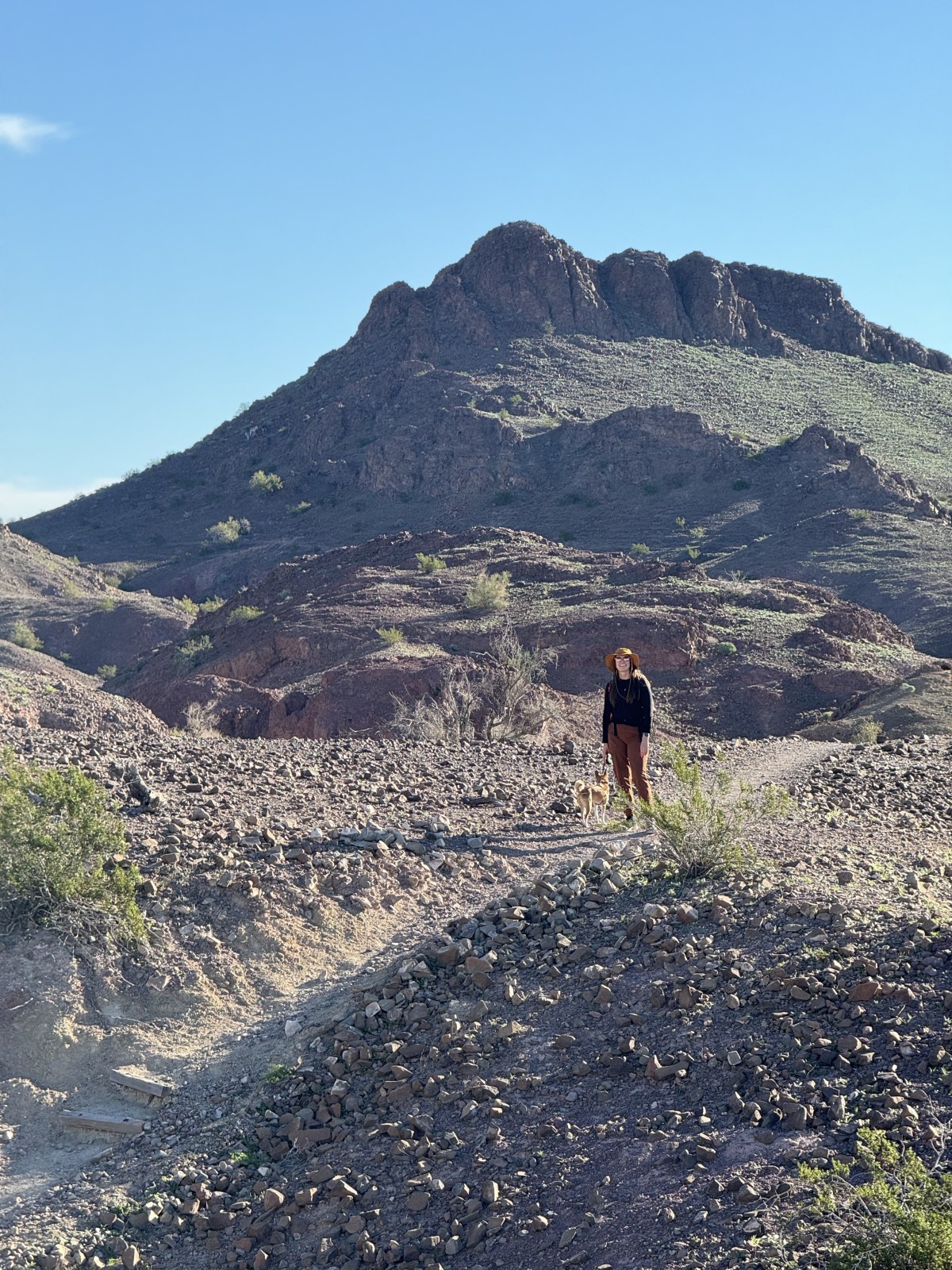
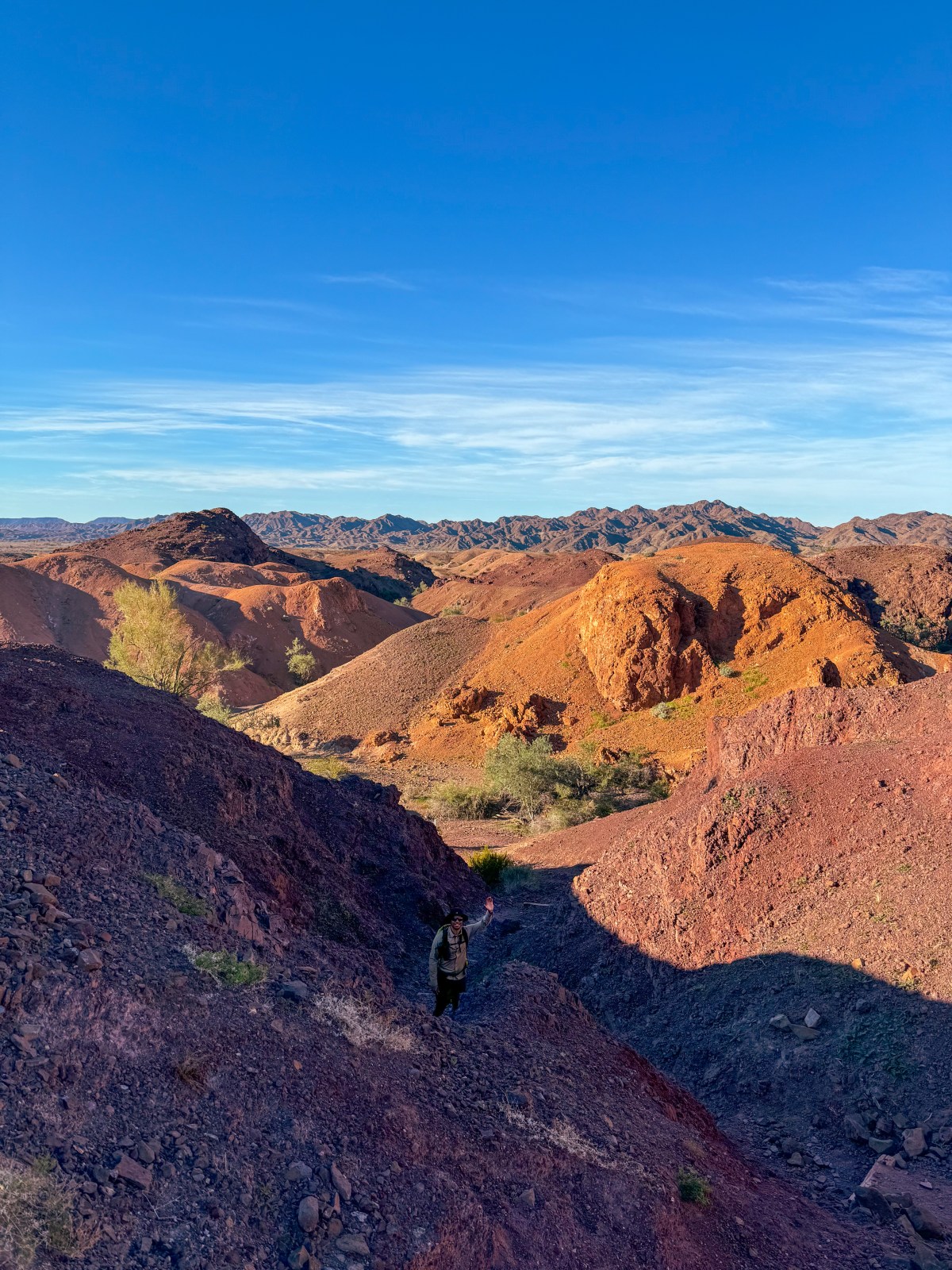
After the observation points we stopped and hiked the Painted Desert Trail before going to the visitor center. The 1.3 mile trail is dog friendly and offers great views of the 20-30 million year old volcanic activity that left rainbow colored rocks. At high points in the trail you can get great panoramic views of the Colorado River Valley.
Painted Desert Trailhead
Hoodoo on trail
View of the painted desert and valley
Painted Desert Trail at Imperial NWR
Lauren on the Painted Desert Trail at Imperial NWR
Painted Desert Trail at Imperial NWR
Imperial NWR Vistor Center Overlook
Desert Tortoise at Imperial NWR Visitor Center
Option 1 to get to Cibola National Wildlife Refuge
The Imperial NWR visitor center offers displays and information on the wildlife found at the refuge. They also have three desert tortoise. We had a Mountain House breakfast at the river valley overlook by the visitor center. From the visitor center we traveled to Cibola National Wildlife Refuge. We took the very challenging route. It was much shorter in milage but probably about the same time as if we were to take the highways.
This route is quite scenic and travels between the Trigo Mountain Wilderness. However, it is a very rough ride! High clearance and 4WD is required. The road travels through wash for a large chunk of the route. The wash was one of the bumpiest rides we’ve ever done even after airing down our tires. It wasn’t washboard, but so bumpy that we couldn’t film or take a picture. After getting out of the wash, it’s more enjoyable, but there are rocky sections and some climbs best in 4Lo. For one section we used our locking differentials. We used Google Maps and OnX Off-Road to map out our route. There are multiple trails
Towards the end of the road to Cibola NWR from Imperial NWR
Trigo Mountain Wilderness
On our way to Cibola NWR from Imperial NWR via 4x4 dirt road
Towards the end of the road to Cibola NWR from Imperial NWR
Entering Cibola NWR
Option 2 to get to Cibola National Wildlife Refuge
We took this route on the way back to Imperial NWR to get there before sunset.
Cibola National Wildlife Refuge
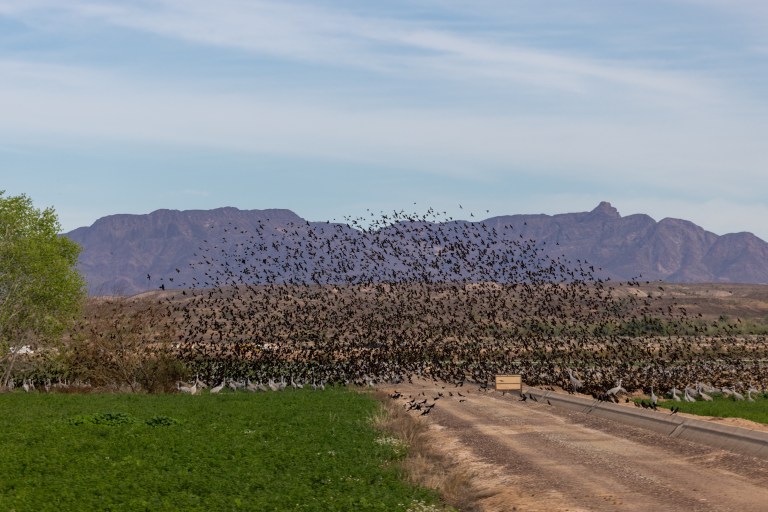
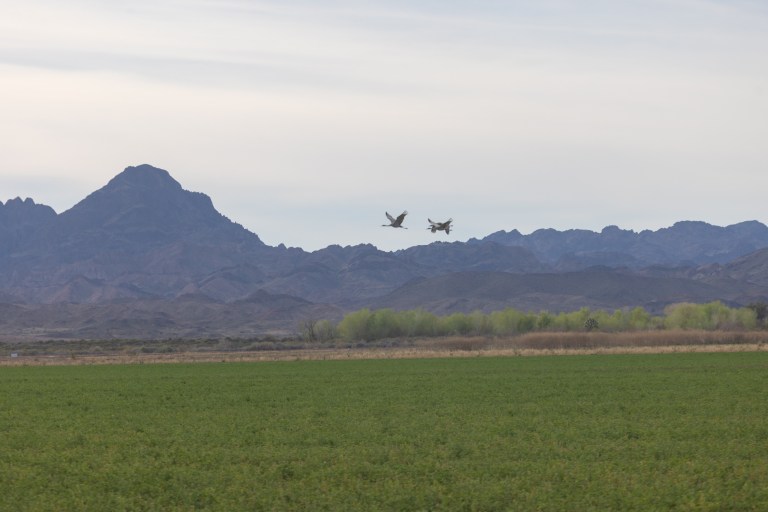
Cibola National Wildlife Refuge was established in 1964 as mitigation for channelization and dam construction on the Colorado River in the 1930s and 1940s. Like Imperial, Cibola provides important habitat for migratory birds, wintering waterfowl, and resident species. Besides birds, four legged species and reptiles frequent the area. We entered the refuge from the south and traveled along the levee road towards the visitor center. From the visitor center we did the Goose Loop auto tour. Pets are allowed in vehicles, but not on the nature trail, so we did not do the 1 miles trail
View of the Colorado River from Cibola National Wildlife Refuge
Egret
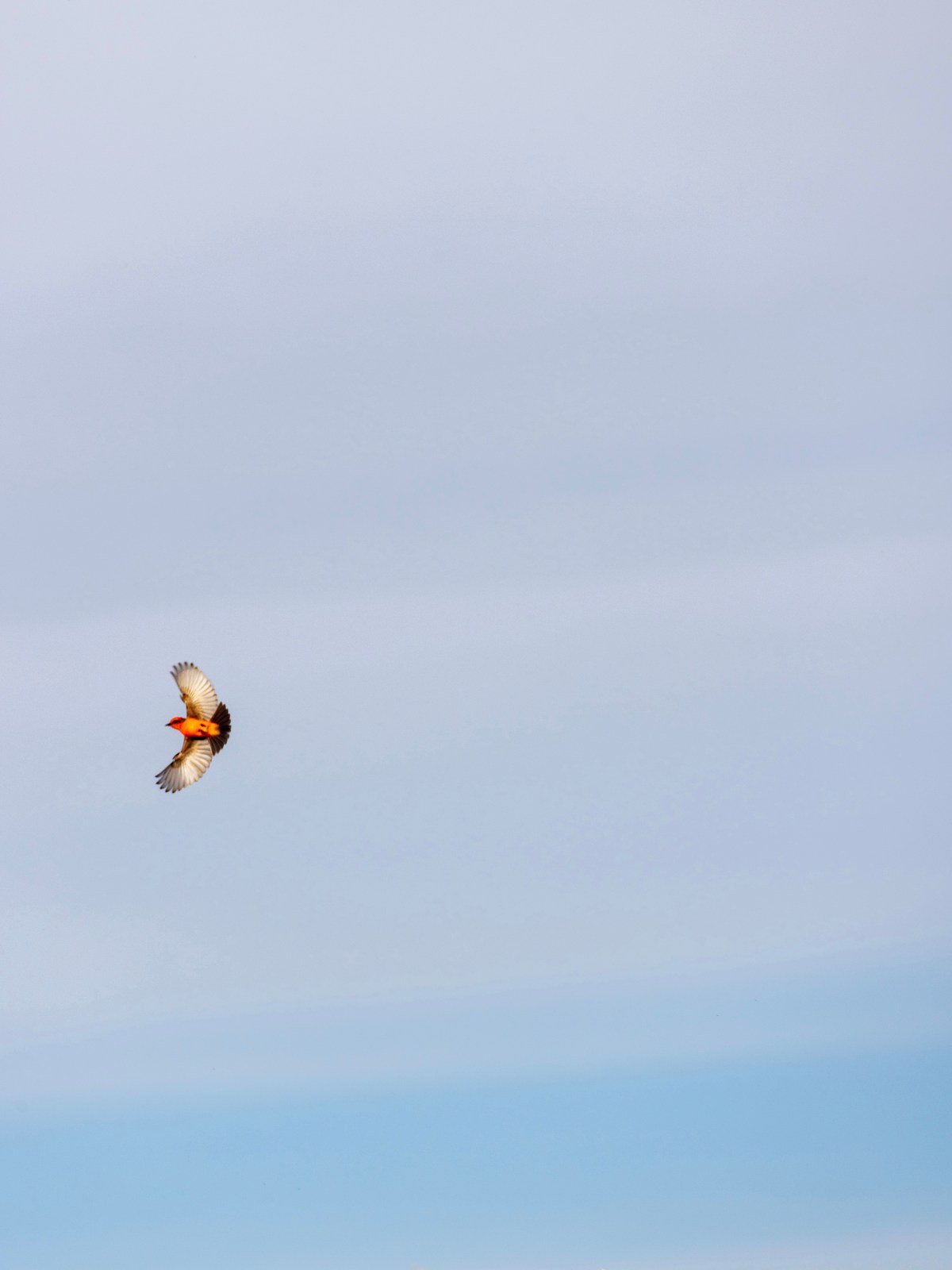
In the distance is a Vermillion Fly Catcher
Vermillion Fly Catcher
Imperial National Wildlife Refuge at Sunset
Mesquite Observation Point at Imperial NWR
Sunset at Mesquite Observation Point at Imperial NWR
Day 2
Kofa National Wildlife Refuge
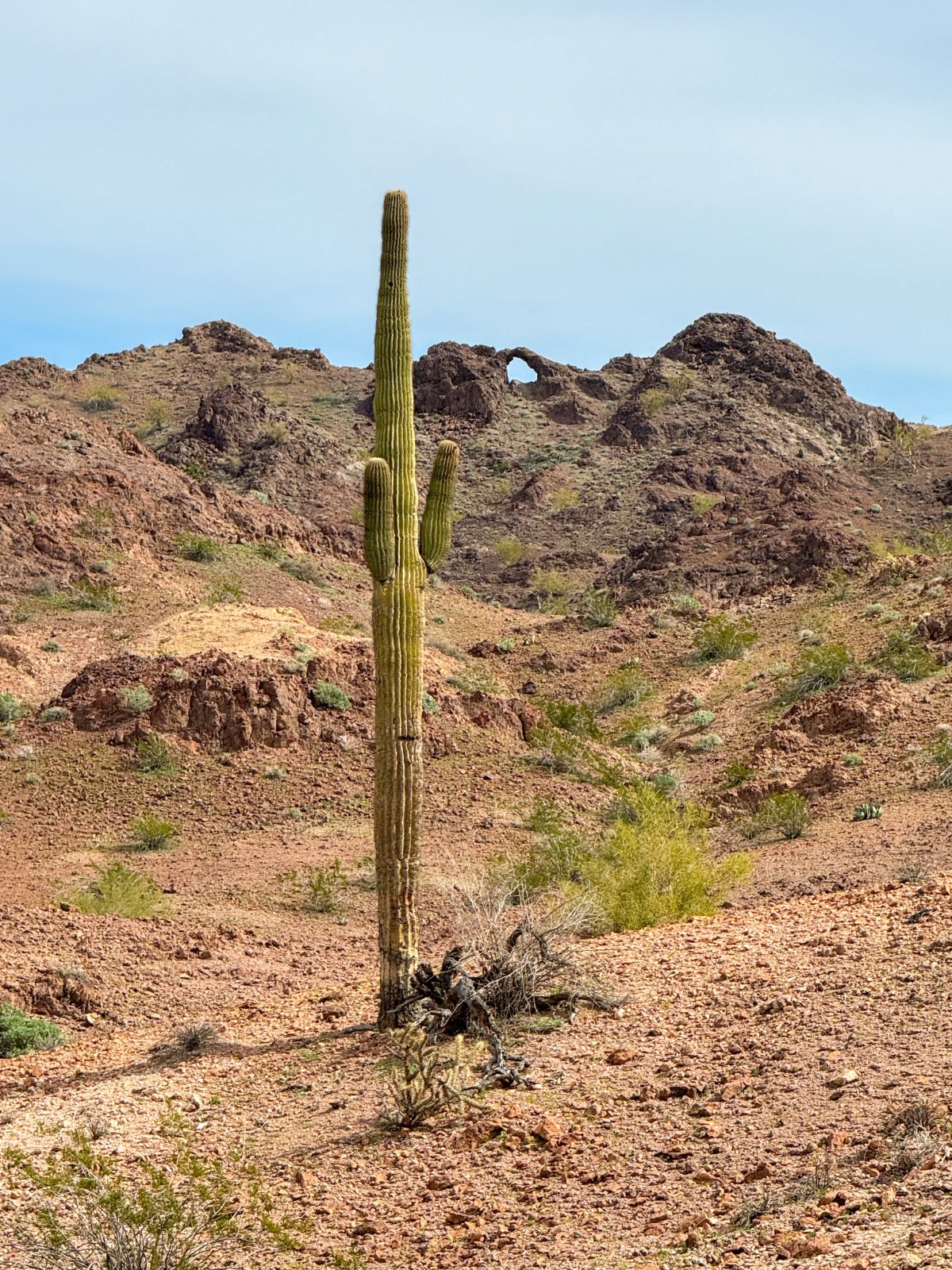
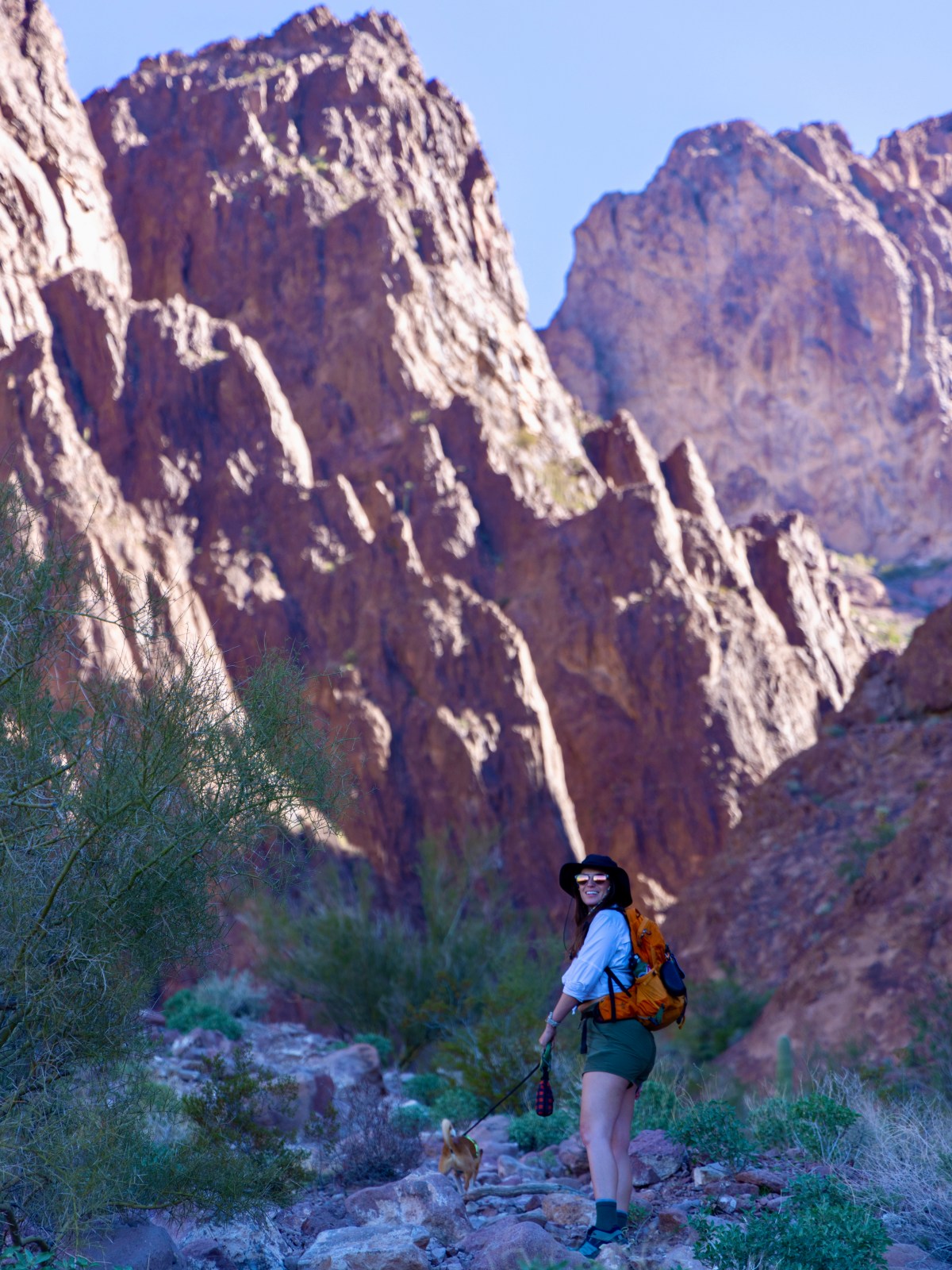
Kofa National Wildlife Refuge is not along the Colorado River, but still plays a vital role in protecting one of our desert treasures, the bighorn sheep. The name Kofa comes from the King of Arizona gold mine and mountains that made thea area popular. Protection for the area was established in the 1930s to protect bighorn sheep after they were nearly wiped from the area because of humans. The protection of the Kofa Mountains and surrounding desert and mountains pre-dates the NWR system. Furthermore, in 1990 Congress designated 547,719 acres of the refuge as wilderness, increasing the protection of the land even more. Today camping is allowed in certain areas and there are dirt roads that traverse the refuge. This was our second visit to Kofa, but our first time hiking Palm Canyon Trail.
Palm Canyon Trail
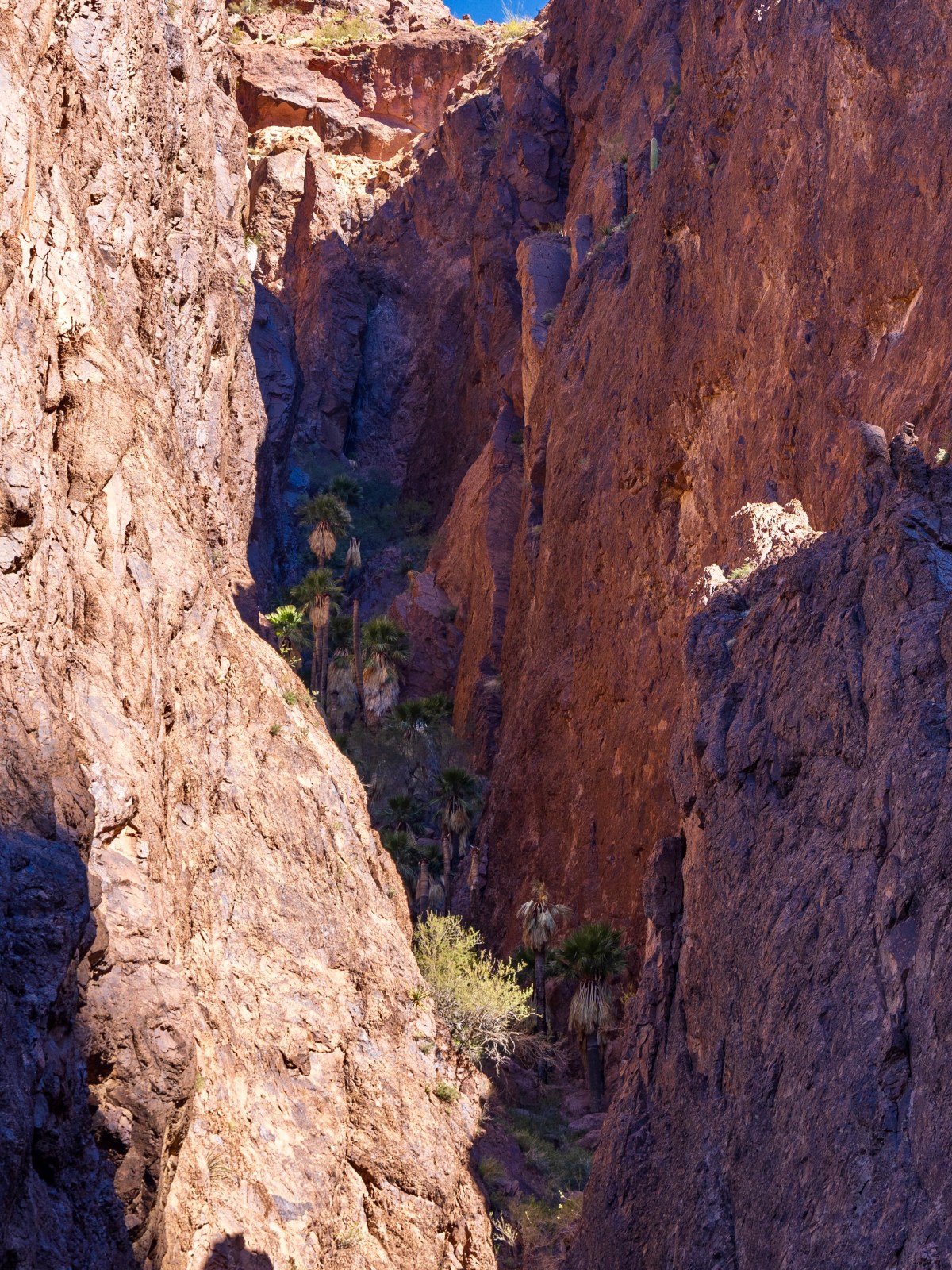
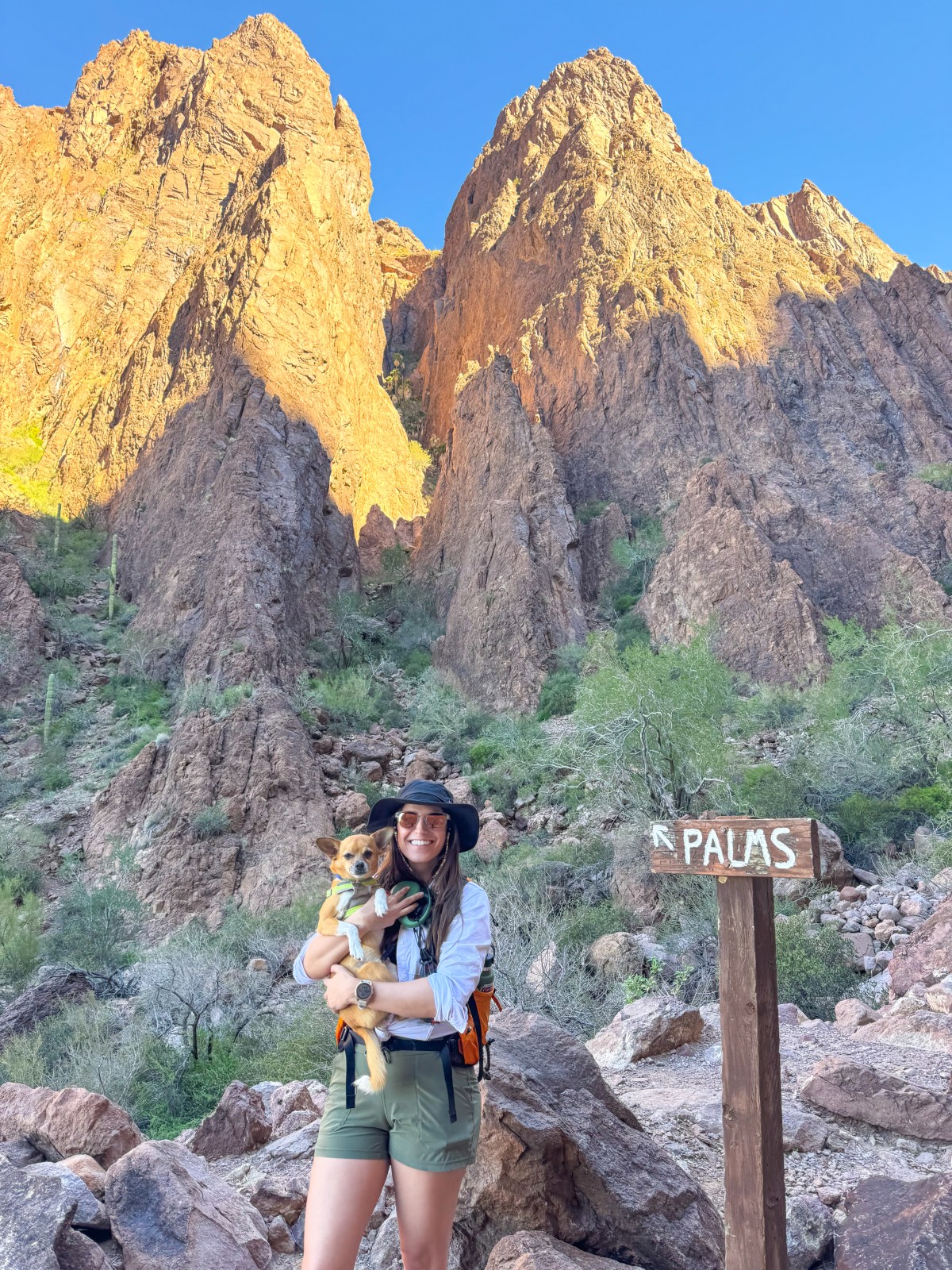
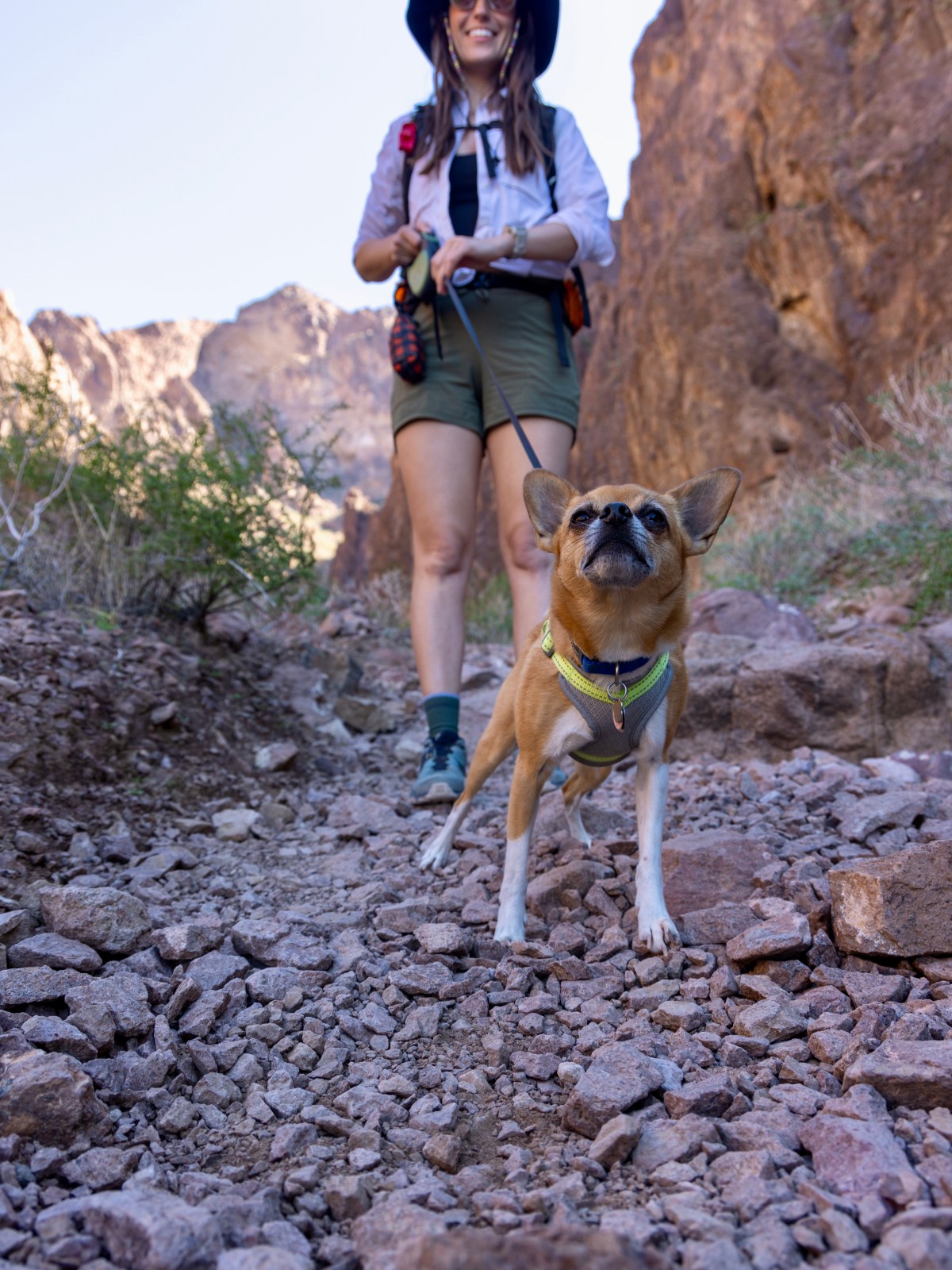
Palm Canyon Trail is a relatively short hike, only 0.9 miles out and back with 262 feet in elevation gain. The road to the trailhead is dirt and washboard, but suitable for passenger car. There is no water and no toilets at the trailhead or anywhere within the refuge. Please plane ahead and prepare! The hike takes you to an observation point where you can see the palm trees in a side canyon. We suggest bringing binoculars or a long lens camera to see them more clearly. Dogs are allowed on trail, but must be kept on leash.
Important Things To Know:
There is little to no cell phone service at all 3 National Wildlife Refuges
We decided to stay in Yuma because there is no camping in Imperial or Cibola, but there was some dispersed camping off the side of the road near Imperial. We felt more comfortable staying in Yuma
There is only one restaurant at Martinez Lake. We decided to bring Mountain House meals for a quick and easy meal on the go
Whenever we travel, especially when there is no cell phone service we always bring our Garmin InReach. If something were to happen we would be able to call for help. If you’re interested in more of our gear recommendations you can check it out here
There are restrooms at both Cibola and Imperial visitor centers when the visitor centers are open. For visitor center hours check out Imperial and Cibola’s website
There are also vaulted toilets at The Painted Desert Trailhead and Martinez Lake
We started The AZ Hikeaholics as a way to share our adventures with an audience that was interested. It soon grew into a community and we were all in! The more we learned about the history, geology, culture, biology etc, of the places we were exploring, the more we wanted to know.