

Planning a trip can be exciting and fun while sometimes overwhelming and time consuming. We continue to refine our process, but we have some general best practices that have worked well for us. Sometimes it’s hard for us to accept this, but we have to tell ourselves we physically might not be able to do everything, and we can’t be everywhere at once. When it comes to putting together our trip, we consider what’s seasonally available, the forecast, and activities we want to do. Then we look at maps, websites, fellow bloggers, and other resources to put together a plan.
Tis the Damn Season
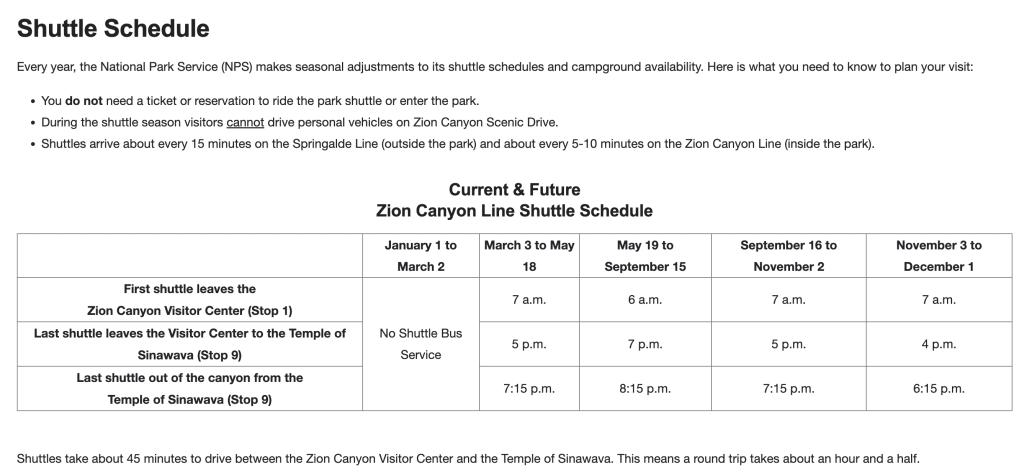
It’s always important to consider the season that you’re visiting because that can influence what is available. For example, many national parks have seasonal closures or openings for certain sections, or they have shuttle services that only run during specific seasons. Additionally, the season could be peak visitor, shoulder, or off-season which is definitely important to consider regarding crowds and overnight stays or campgrounds.
Weather You Like it or Not
On some trips we’ve learned the hard way. ALWAYS check the weather forecast and then bring a few “just in case” items like a rain jacket, hats, etc. Often we’ll look at weather averages, especially in locations that have somewhat unpredictable weather patterns or seasonal rain storms. For really remote locations or mountain summits we’ll google search the location and refer to different sources. Sometimes, the NPS will have weather for remote locations within park boundaries listed on their website.

Maps
We love to use maps to plan. Google Maps is probably our number one favorite resource. Thanks to the modern internet age, almost everything is on maps, but sometimes not with great detail or exactly accurate down to the GPS coordinates. We will often comb through Google Maps of a certain area and pin interest points, trailheads, etc. In Google Maps you can also create your own labels for pins and put together specific lists. Additionally, we’ve been downloading Google Maps area for offline use for years. Apple Maps just recently added the feature and now we’ll often download for offline use on both.
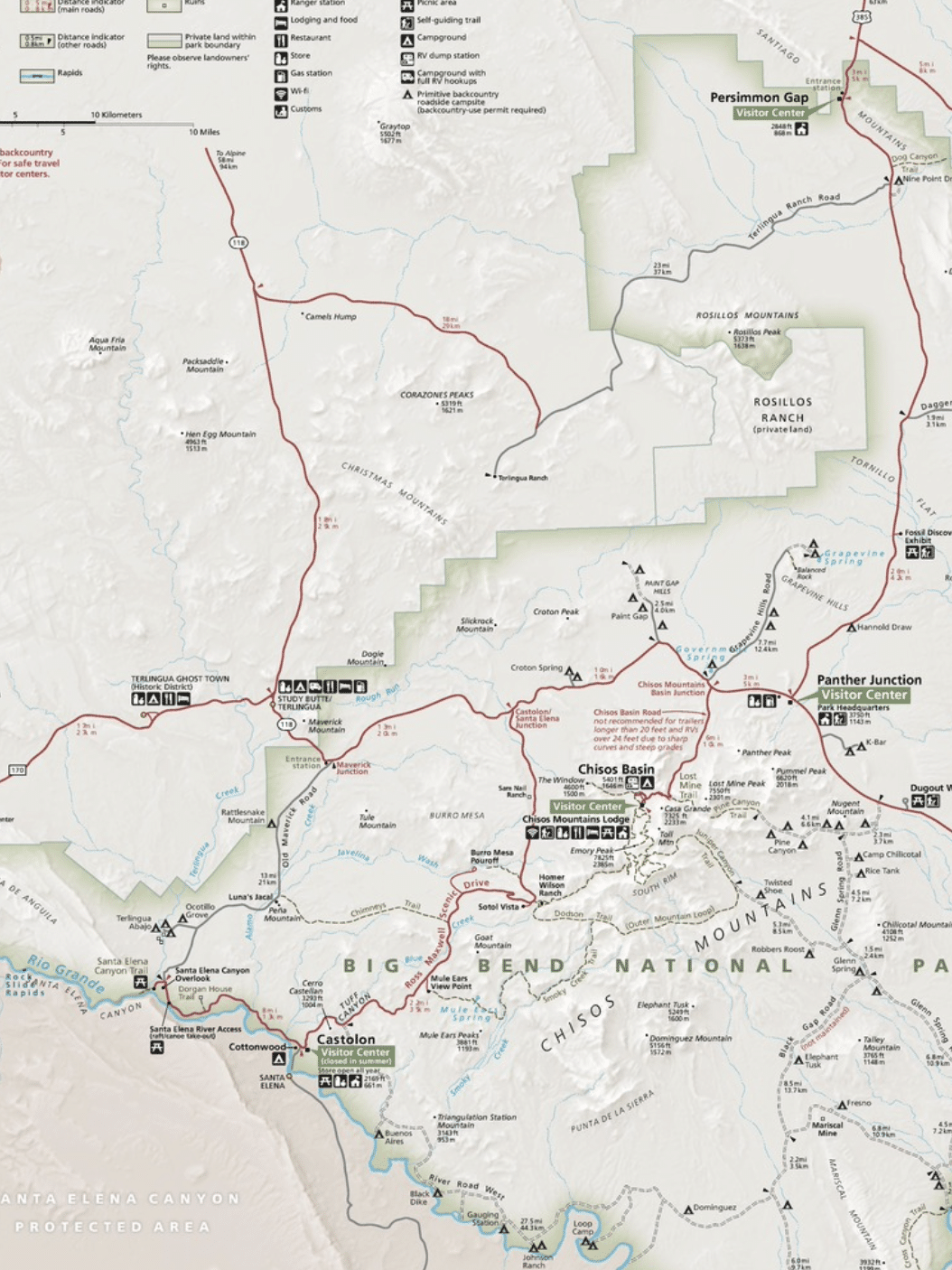
Additionally, if we’re planning a trip to a national park site or state park, we’ll look at the park’s website to see what they put on their map, often attractions or points of interest are called out. The National Park Service has some good features and options for viewing maps on their websites. If they have a brochure map available, those are always good to check out because they really point out the things to see.
AllTrails, OnX Offroad, OnX Backcountry, Garmin Earthmate, and Gaia GPS are all other mapping apps that we use to plan. We use AllTrails the most because it has a great library of hikes and they keep improving the app’s offerings. We have the pro version (now called AllTrails+) and download trails for offline use too. With OnX Offroad and Backcountry, we have the paid version that also allows us to download for offline use and see more trails and land ownership.
Lastly, once we have our points of interest, we’ll either plan out a day and see how far apart pins are regarding time and distance. Many times, we aren’t ready to commit to a set plan until the day or night before, so we often list places to see as options for the day and then depending on conditions or other factors, we’ll make our decision of what to hit and when.

Websites
Over the years they’ve really improved and have become a lot easier to navigate. Sometimes, there are still improvements to be made, but the NPS websites have really improved their search function and the NF sites have become a lot more user-friendly. Many of the larger National Park locations have suggested itineraries in their “Plan Your Visit” section and we will draw inspiration from there. They often have pages dedicated to hikes with info about difficulty and distances. And depending on what other activities we have in mind, we will read through the other pages.
One of the most important reasons to visit the official website of where you plan to go is to make sure you have the right permits. Some permits aren’t available until 24 hours ahead of time and some sell out months in advance. With more of the highly trafficked parks using timed entry during peak season, it’s important to visit the Park’s website prior and learn about the process and how to get the right timed entry. We highly suggest searching this before booking anything else. It would be a real bummer to plan a whole visit around seeing a park and not being able to get in.
Tip for when you visit: Download the National Park Service App ahead of time and you can download and pin the park you plan to visit. This is really helpful in the parks that have little to no cell phone service because you can use the maps and other park info offline if it’s downloaded.
Lists
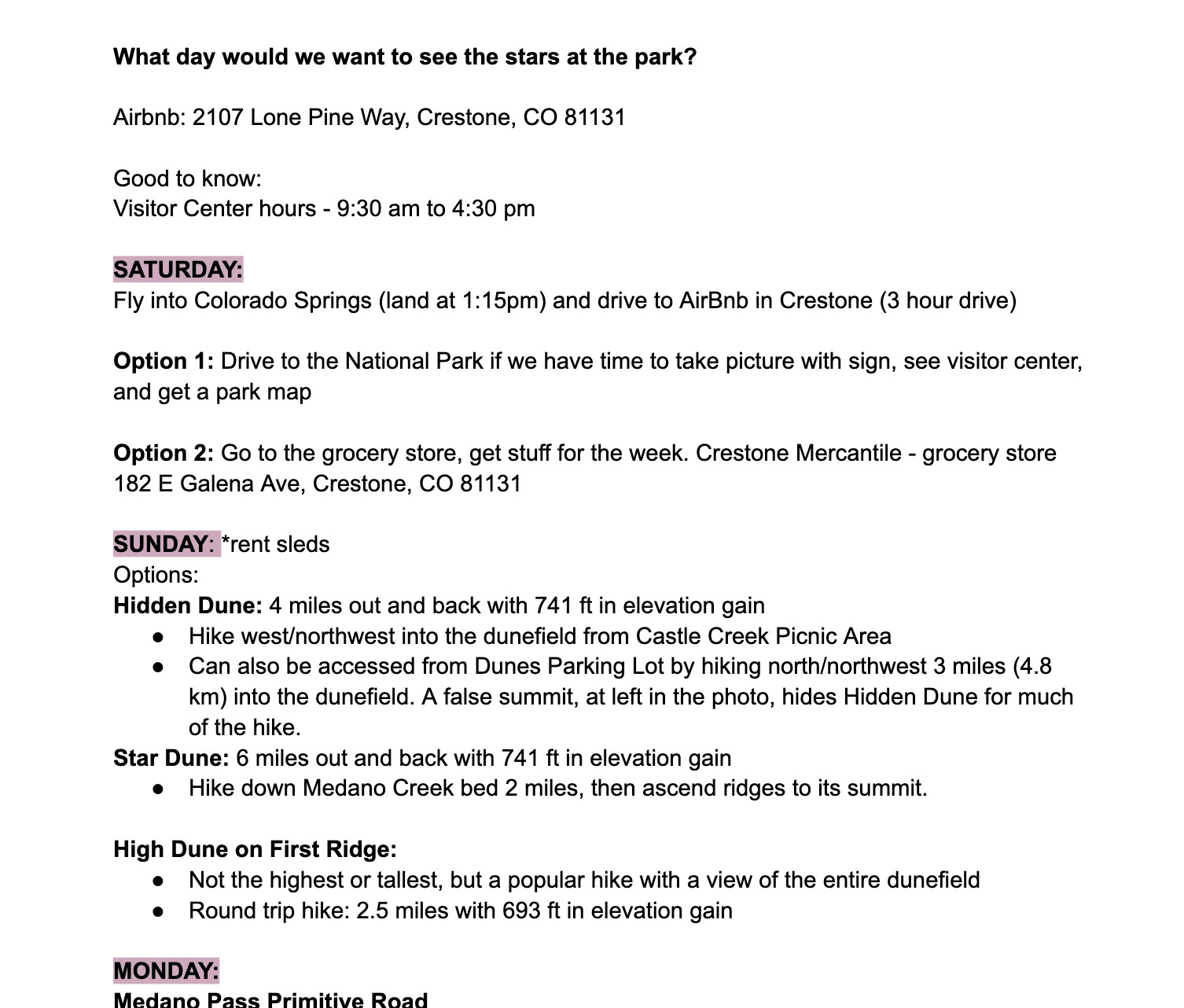
We love to make packing lists specific to our trip so we make sure we don’t forget anything. There are some great starter check lists from REI and the National Park Service. In the week leading up to our trip we’ll usually put together a checklist on our phones and start to collect things we need from the store or that we have packed away in the garage or closet.


Leave No Trace
You might be thinking what does Leave No Trace have to do with this blog post? Leave No Trace is more than just making sure you don’t litter. It’s about being prepared. The first of the Leave No Trace 7 Principles is Plan Ahead and Prepare. The more prepared you are, the less likely you are to leave a trace. Everything we talk about above is to ensure you are prepared.

