When Are Fall Colors in Southern Utah
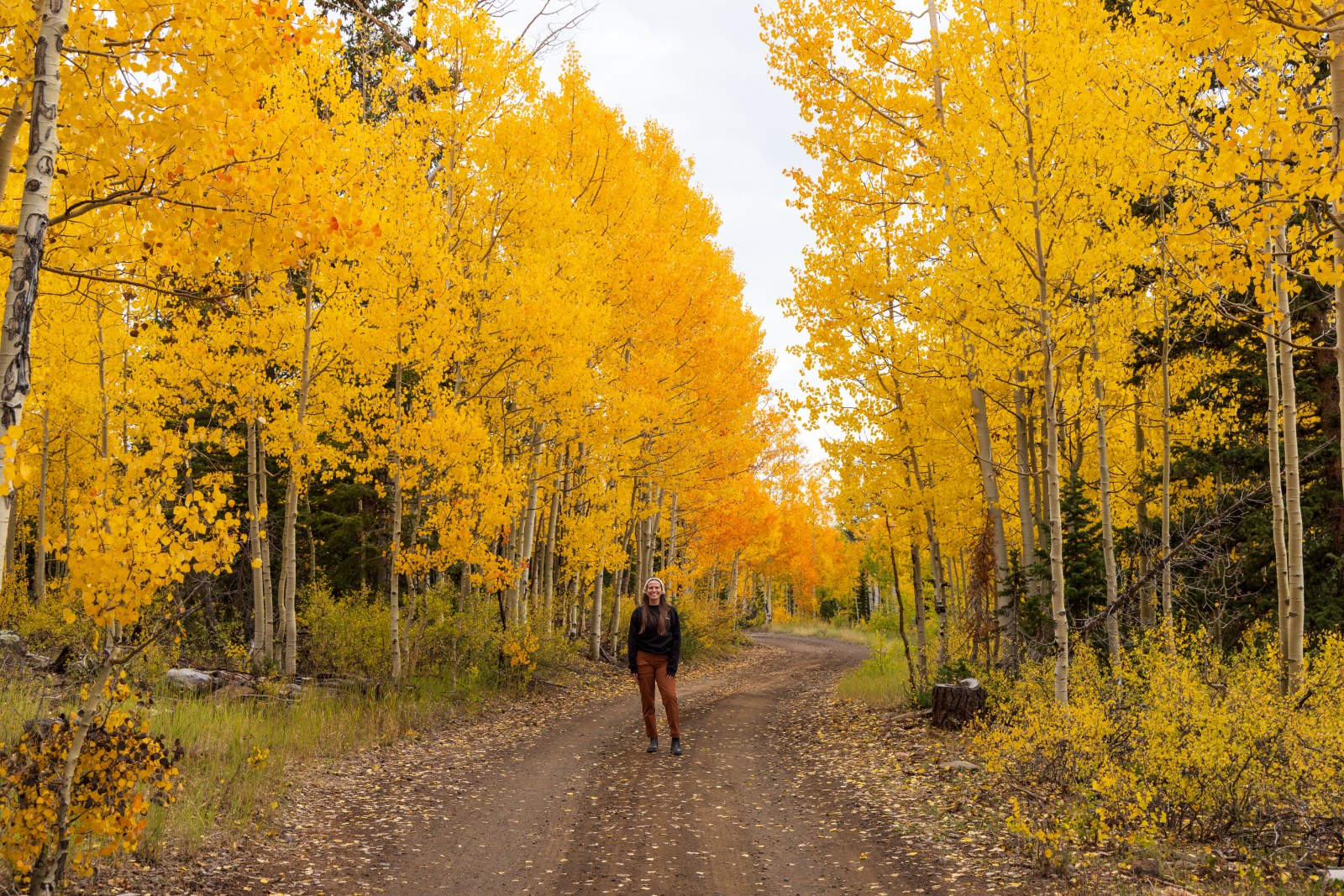
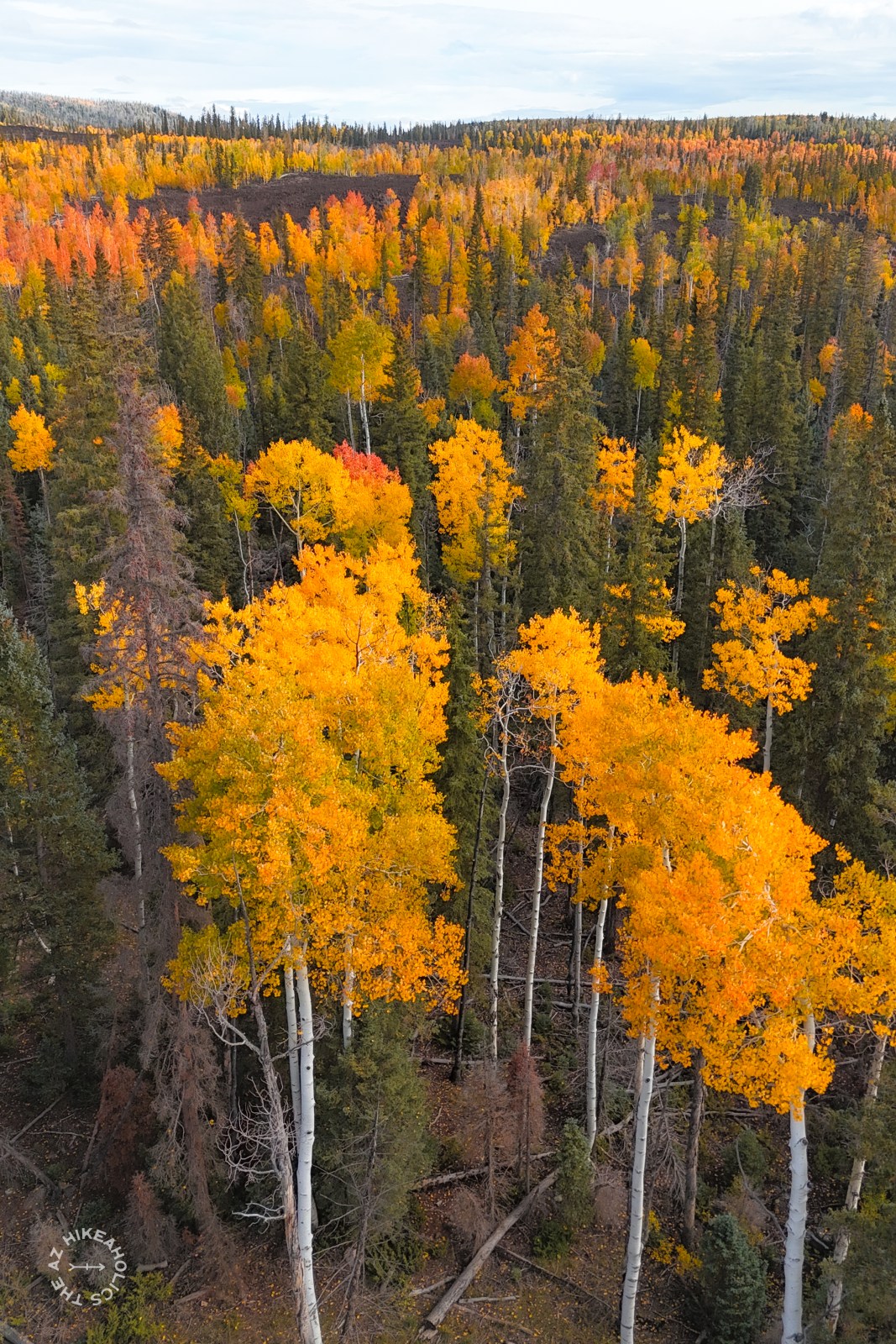
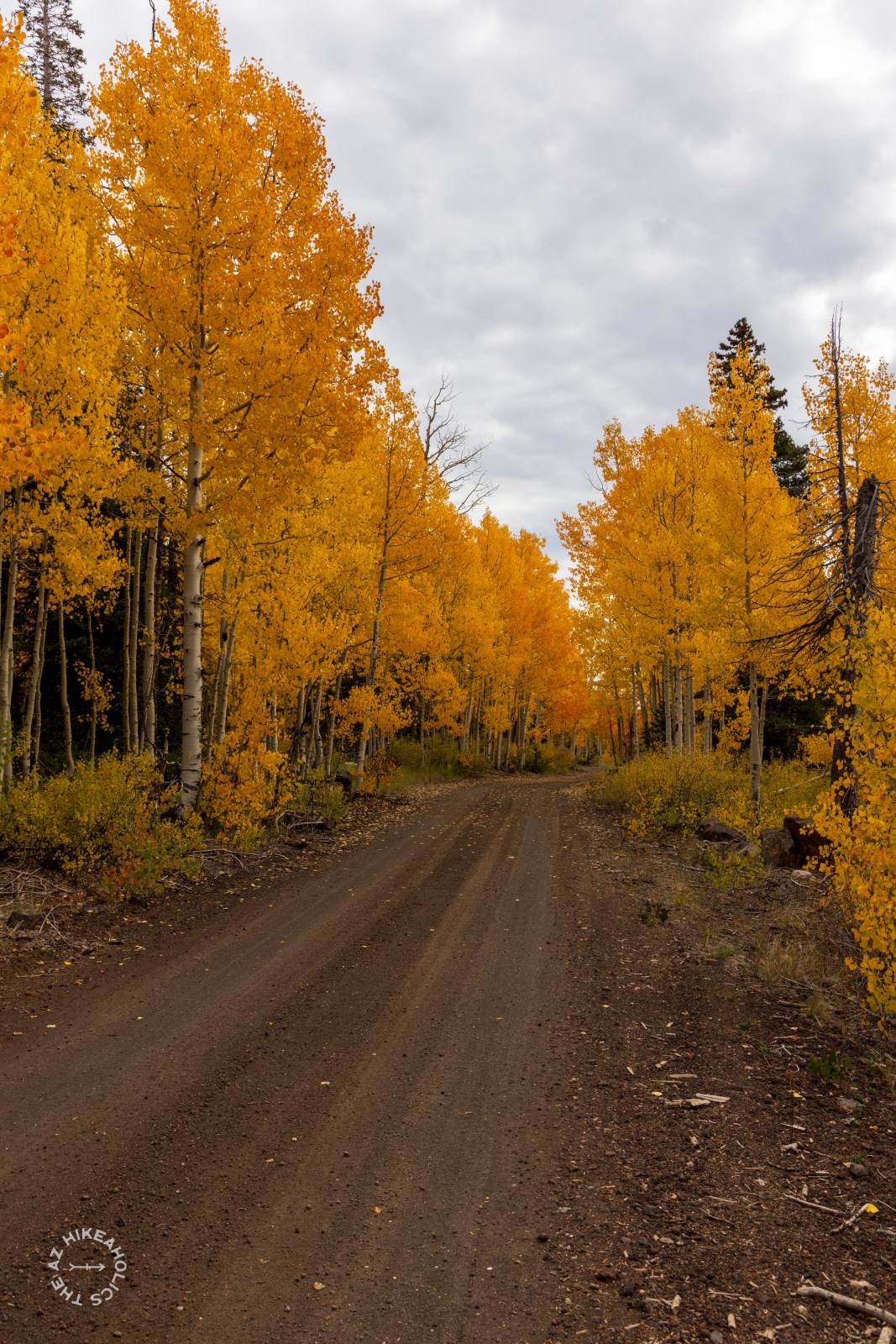
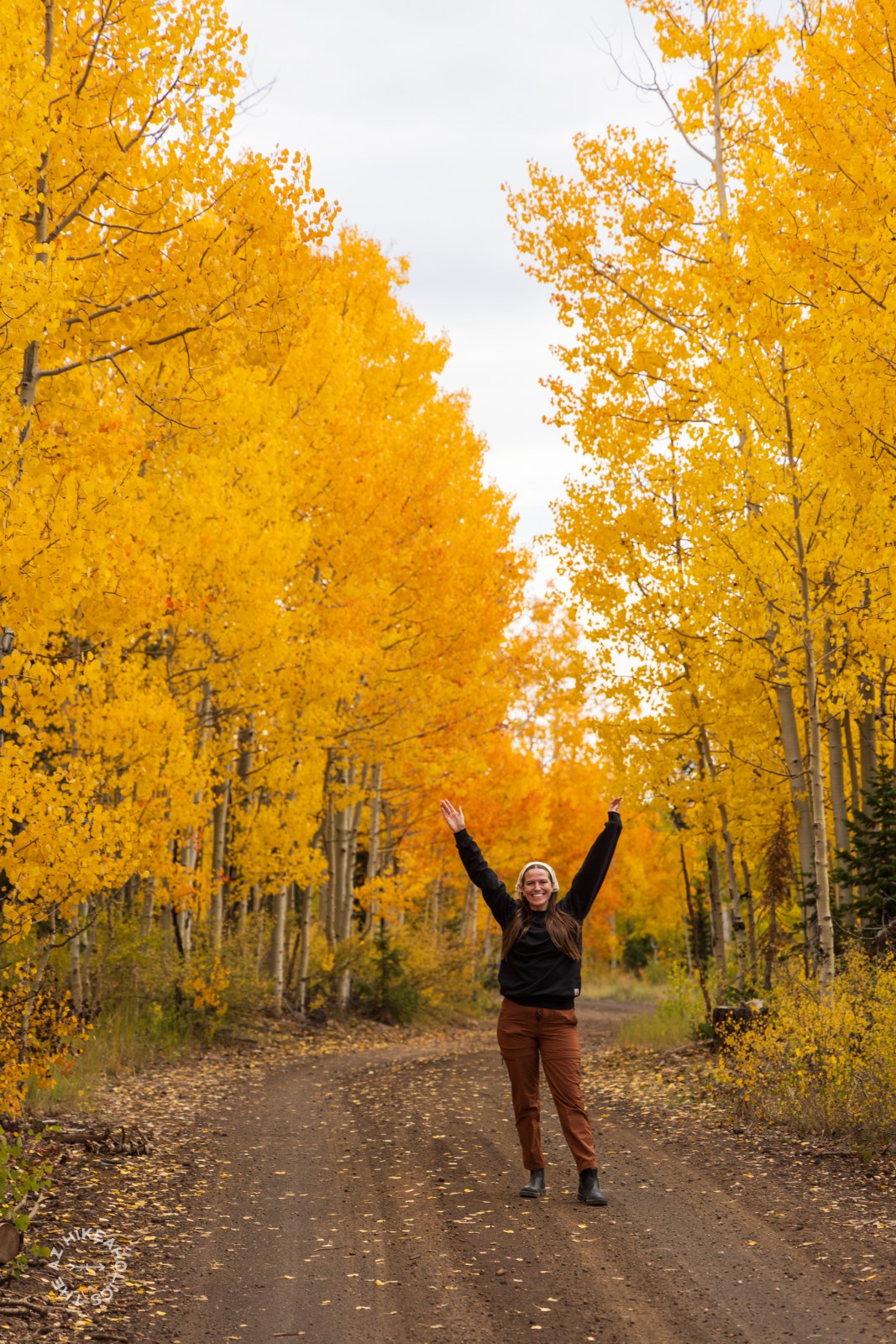
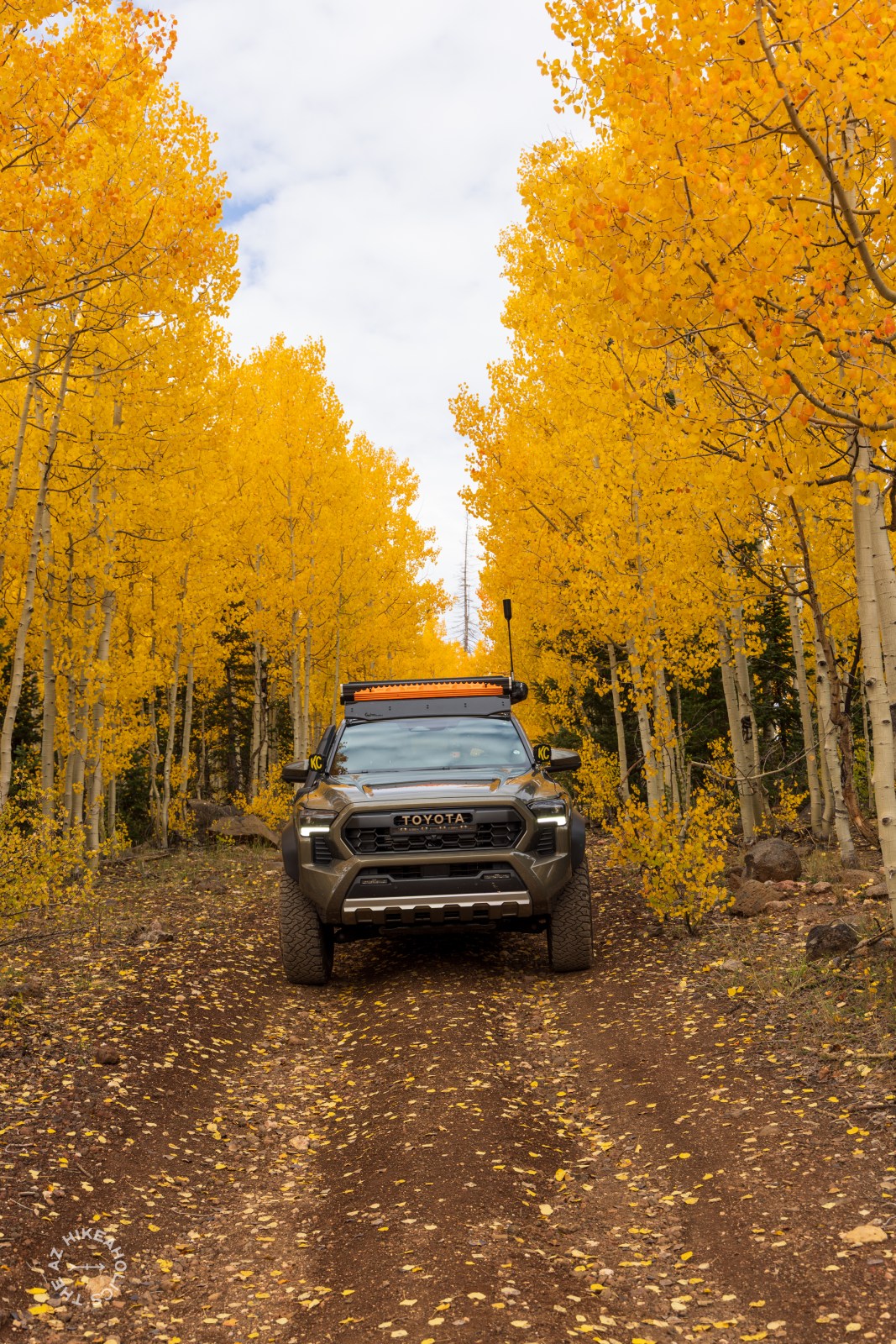
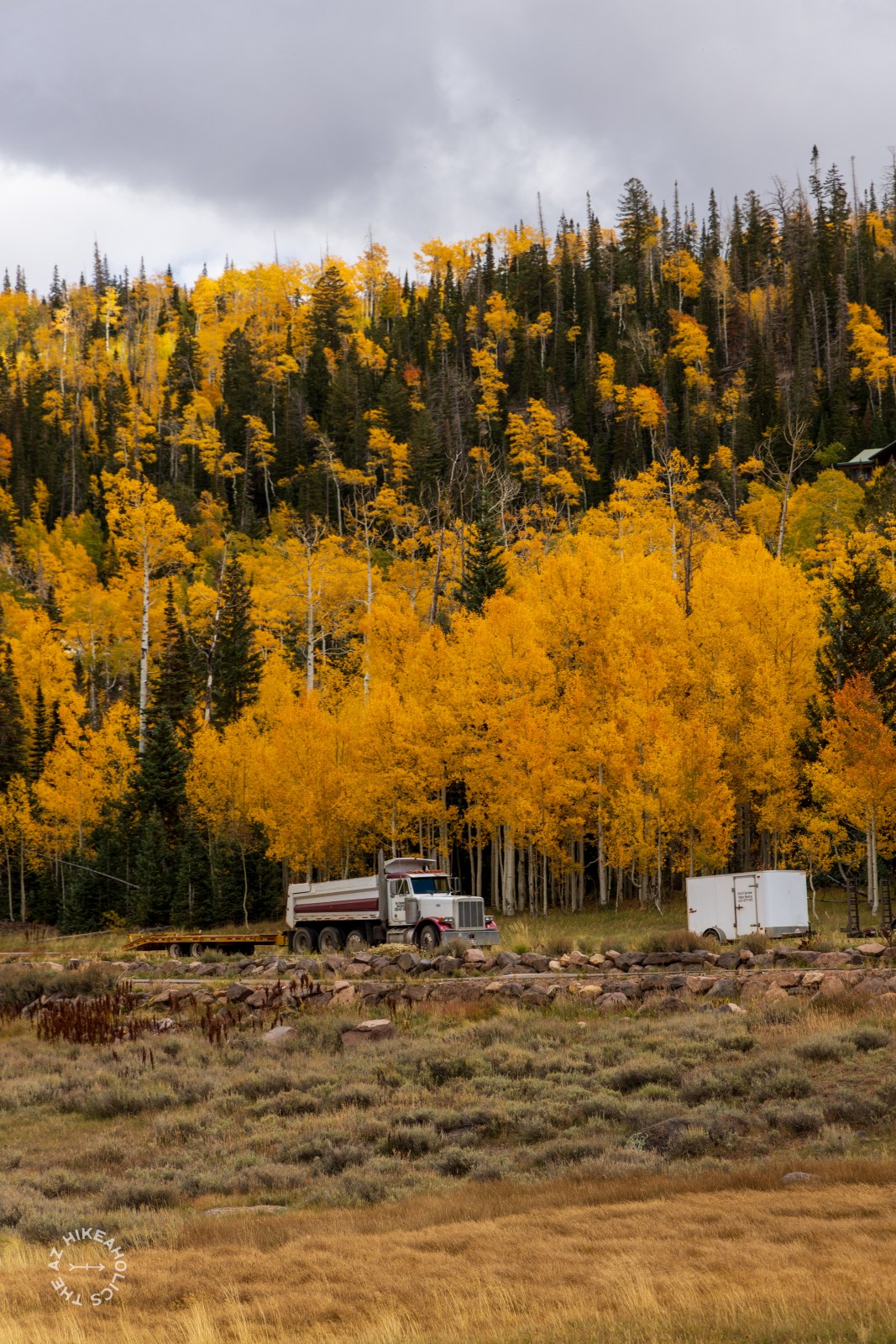
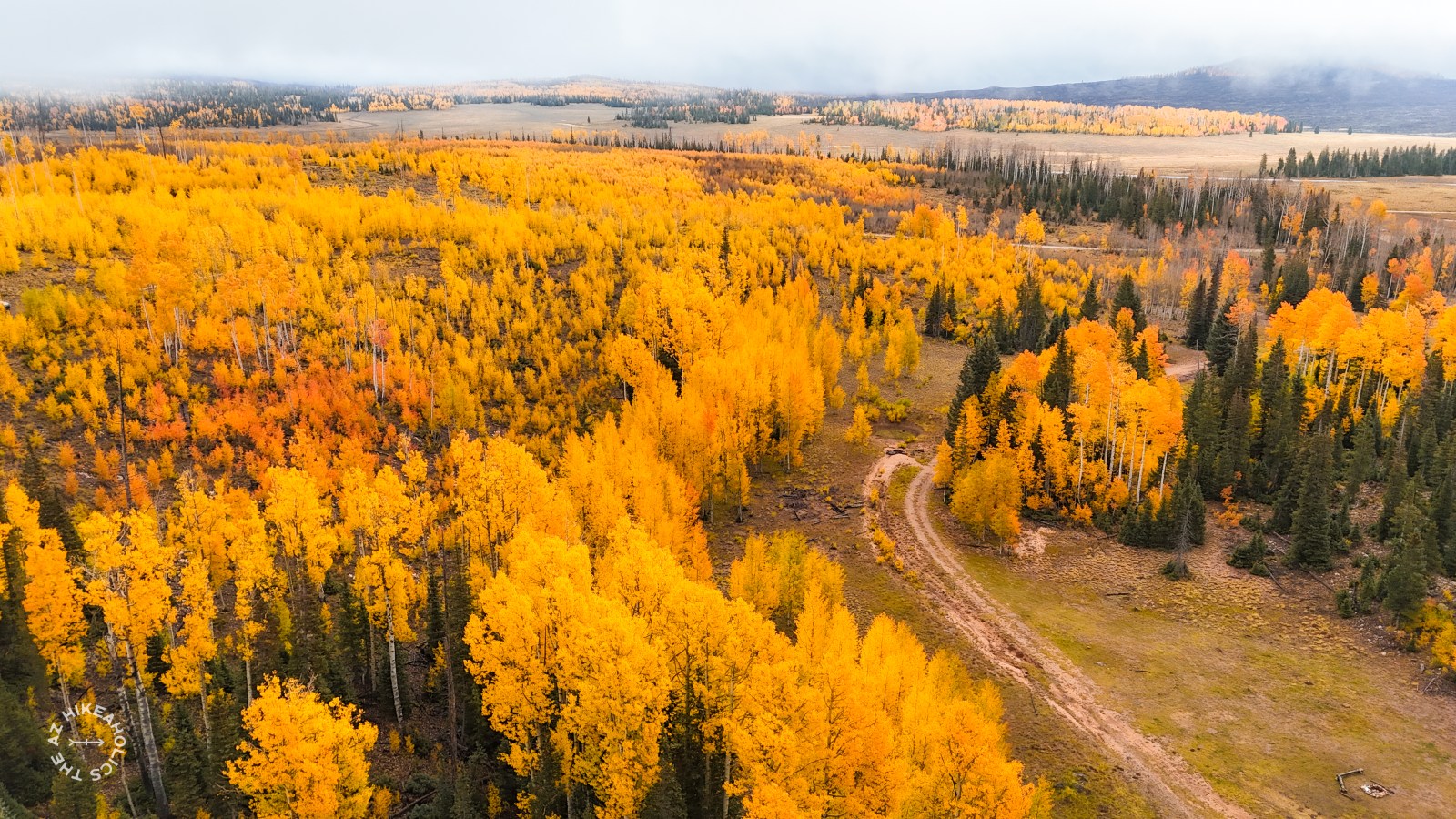
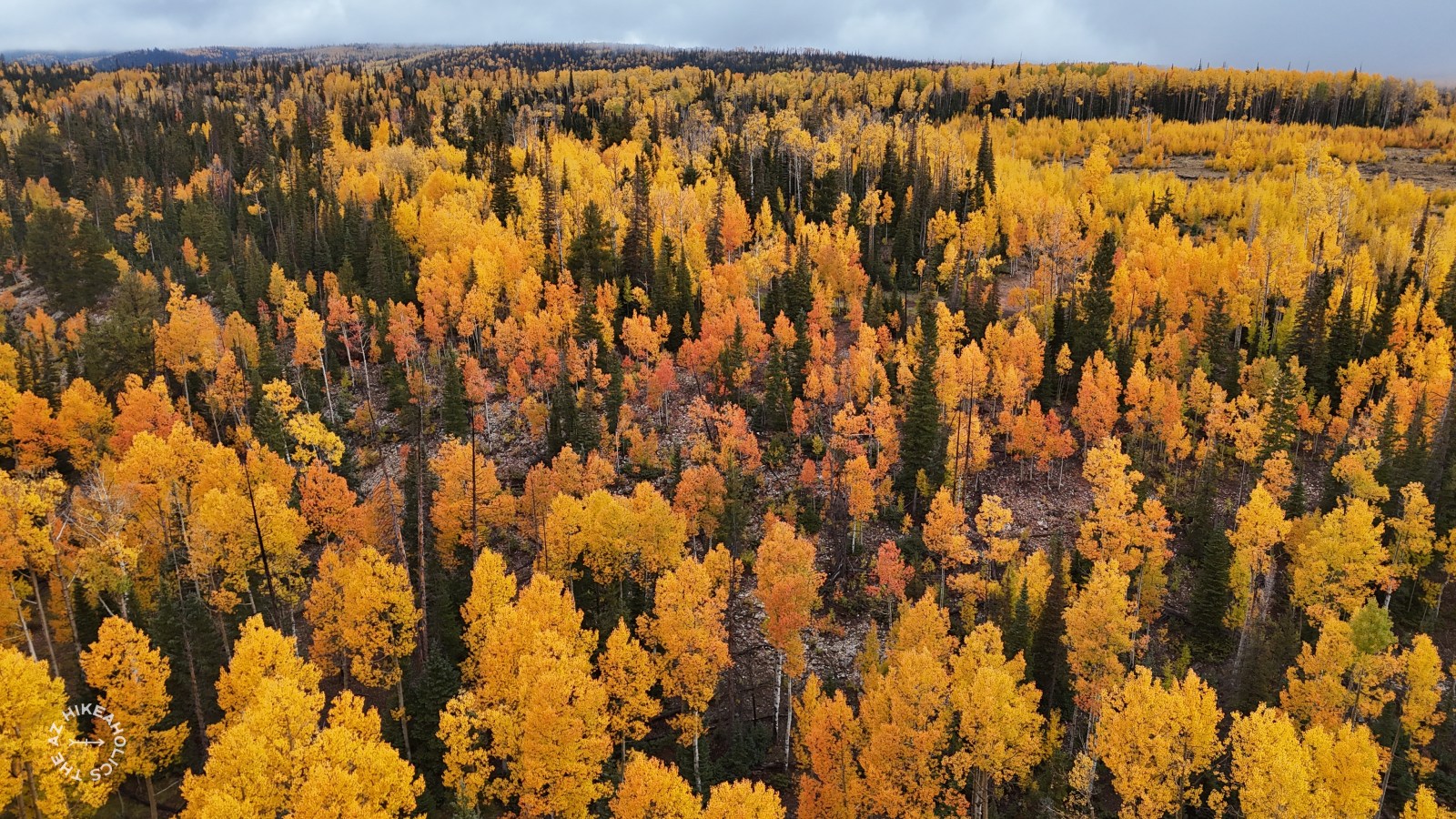
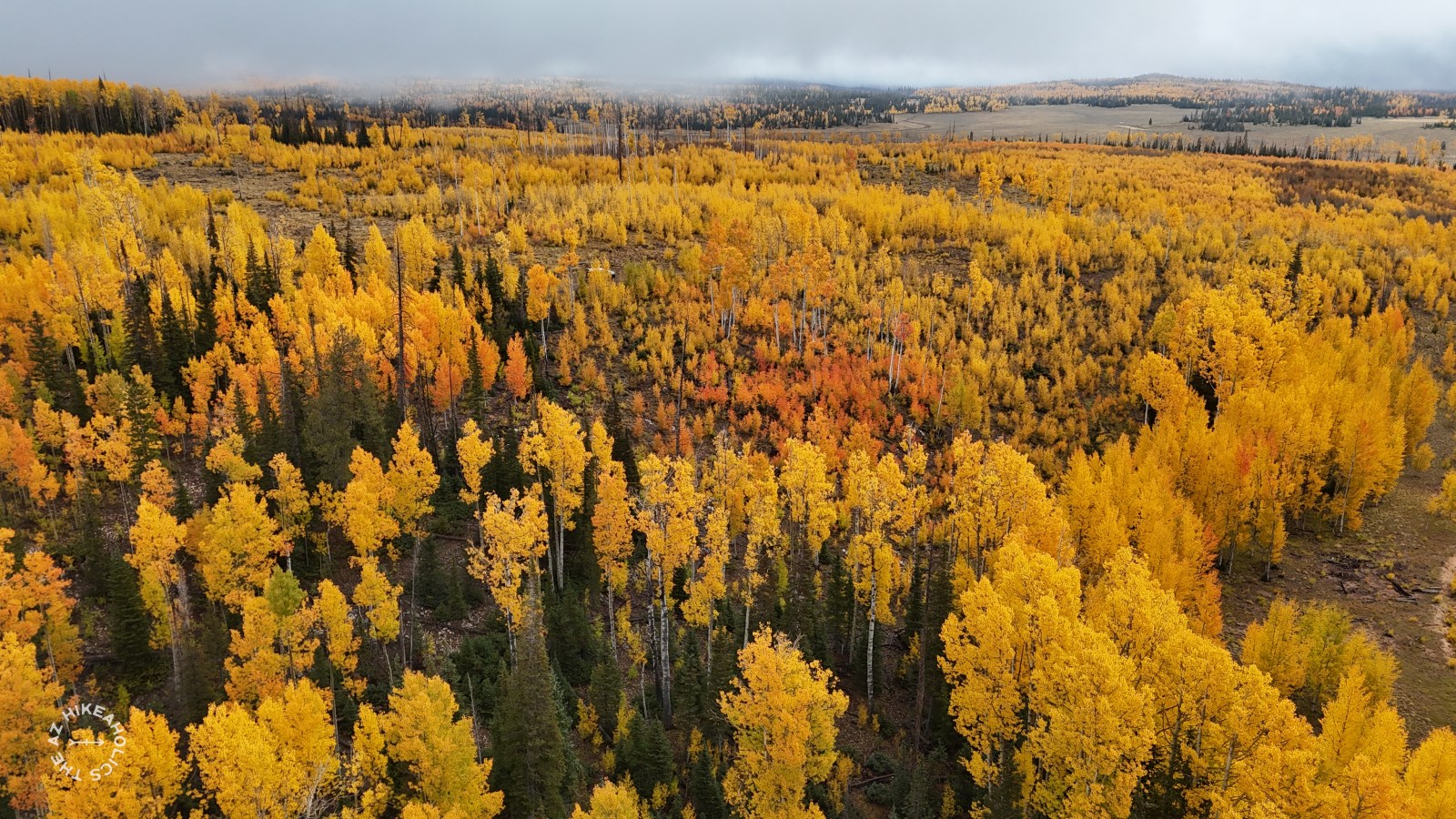
In southern Utah, Aspen trees are often the first to change colors and signal the start of the southern Utah fall colors season. Aspens typically grow between 7,000 and 10,000 feet above sea level and often grow in large numbers, creating stunning golden yellow aspen groves in the fall. There are two main reasons why aspens grow in great numbers in one area. The first reason is because aspens thrive in wildfire burn scars. The soil conditions are often just right after a fire and any other plants that block sunlight to seedlings are usually no longer. Second, aspens grow as DNA clones, connected by a single root system. This is why you’ll see many aspens close together in one area.
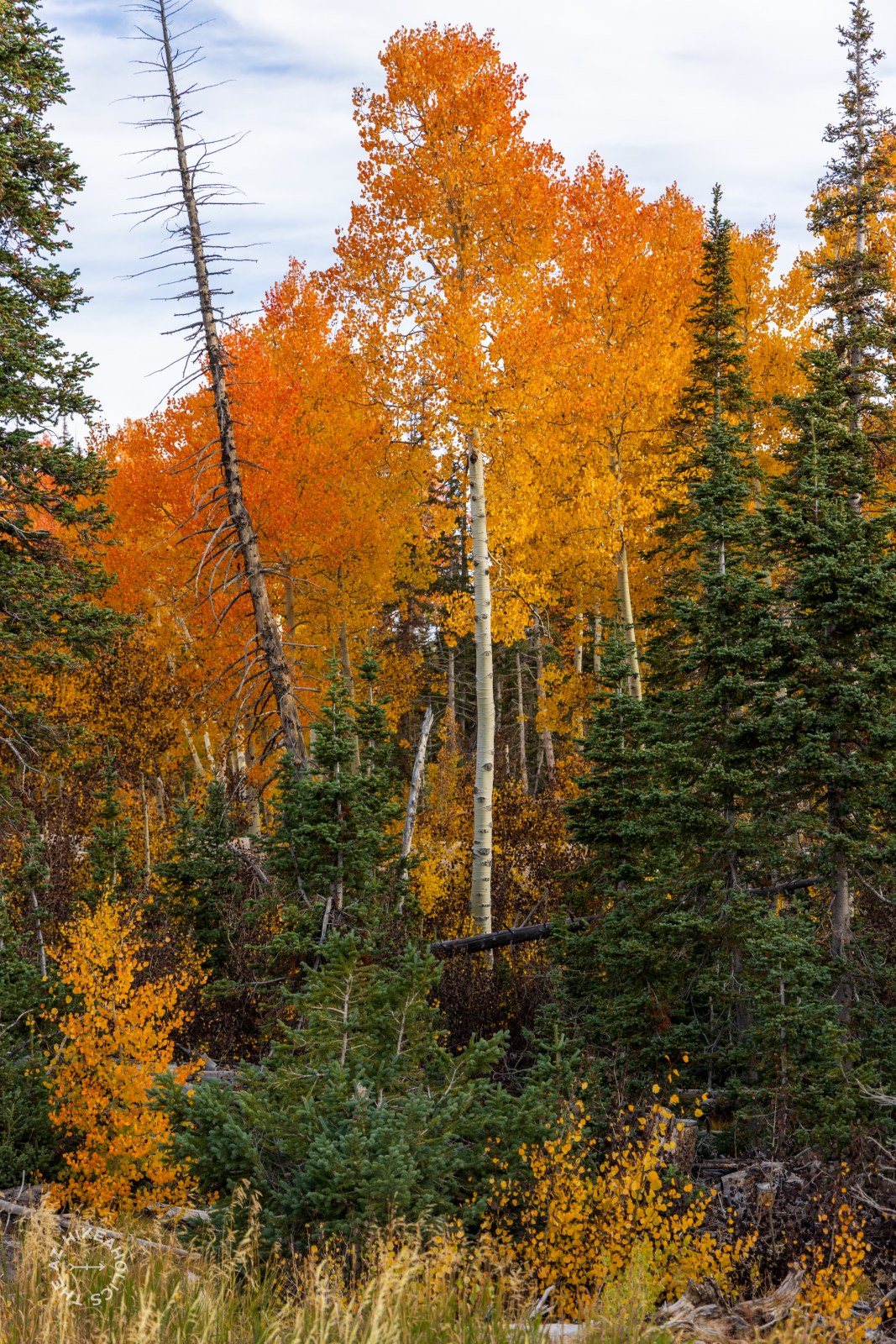
Color change in aspen leaves is not the tree dying, but actually the tree going dormant to better survive the harsh winter months. There are great scientific explanations about what is happening in the tree, but we won’t get too technical here. Aspens start to change colors with cues from the weather and daylight. Warm days with crisp and cool nights along with the increasingly shorter amounts of daylight signal to the trees that it’s time go dormant. And part of that process is for the leaves to die off, resulting in color change.
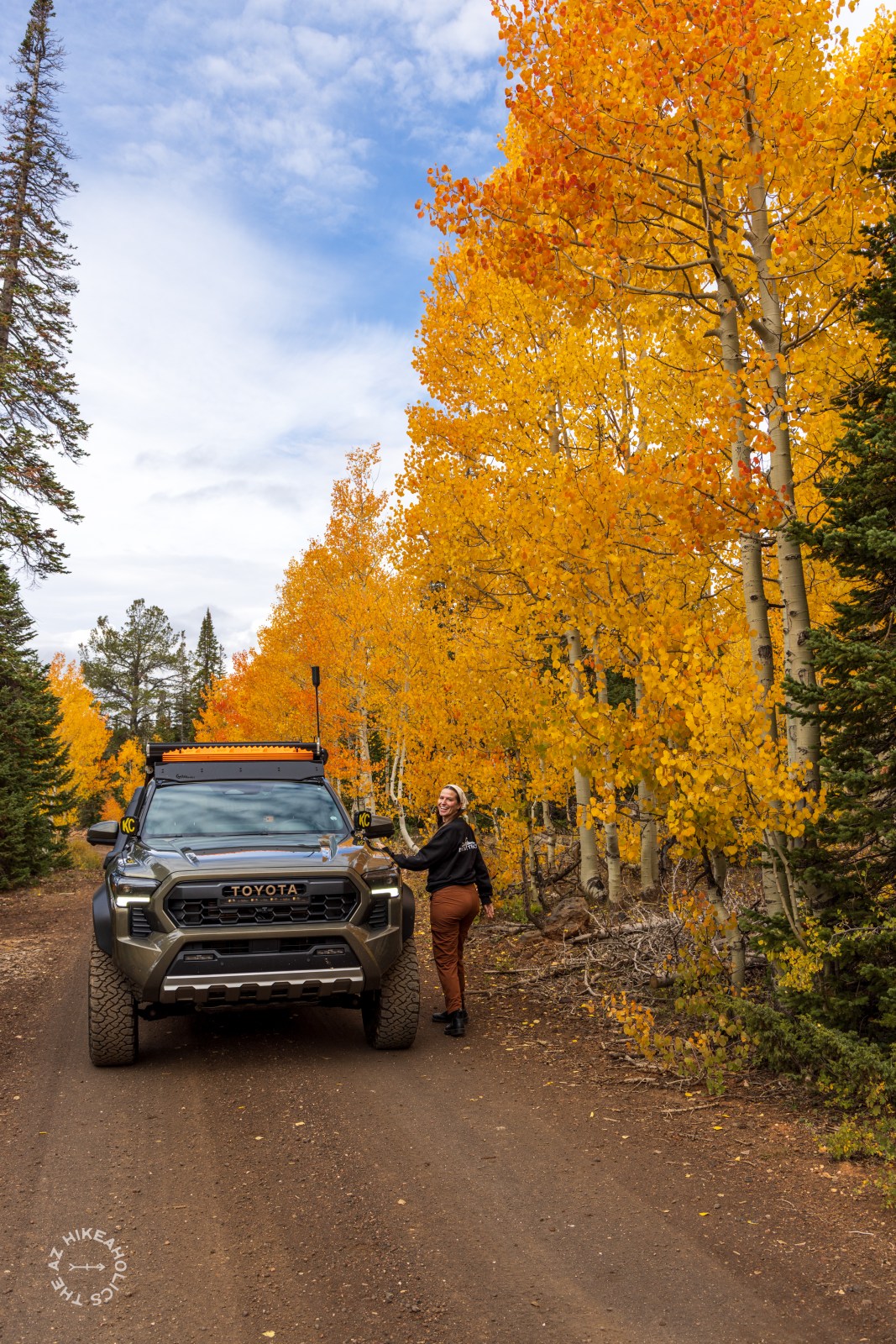
In southern Utah, aspen trees often change colors around late September and reach peak color change between then and early October. Southern Utah fall colors are usually at their brightest during this time. In 2025 we experienced amazing fall foliage on September 27th and 28th.
Where to See Fall Colors in Southern Utah
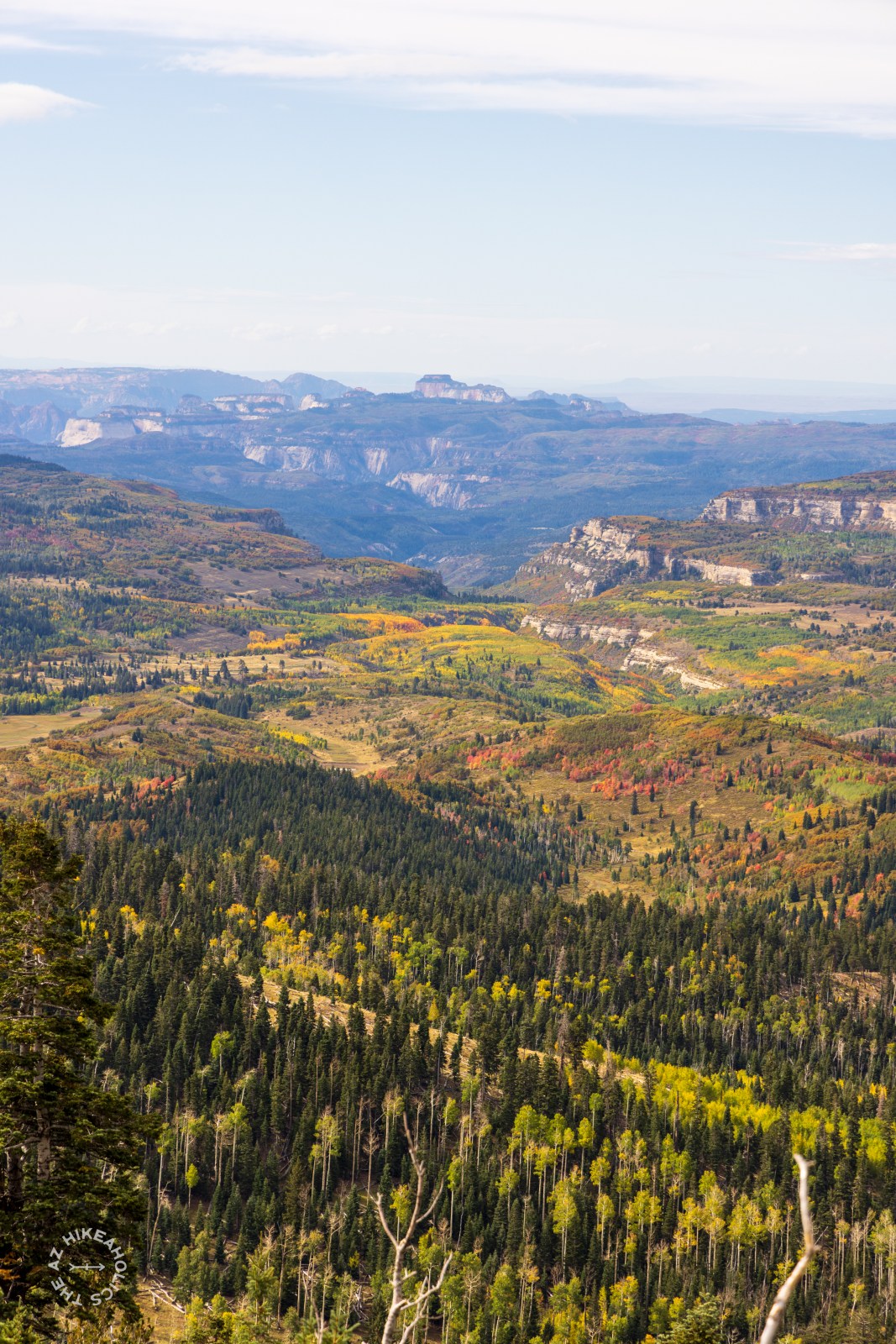
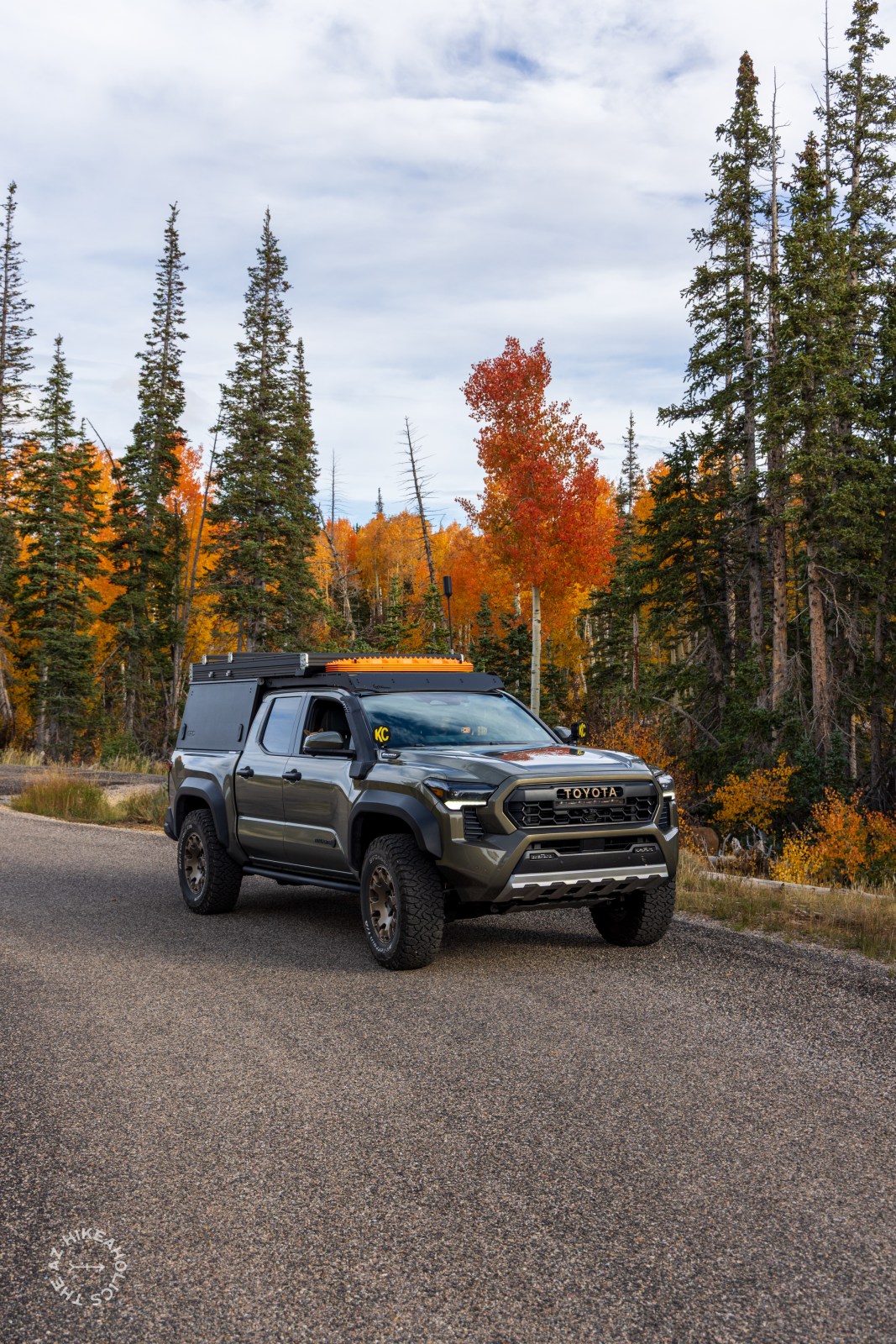
During our trip we drove Utah State Route 14 around Markagunt Plateau going west from Duck Creek, past Navajo Lake to Cedar City, then up and around the north side to Brian Head, over to Cedar Breaks National Monument, and then back down to Dixie National Forest.
Navajo Lake Area and Utah State Route 14


Dixie National Forest (Midway Valley)


Brian Head, UT


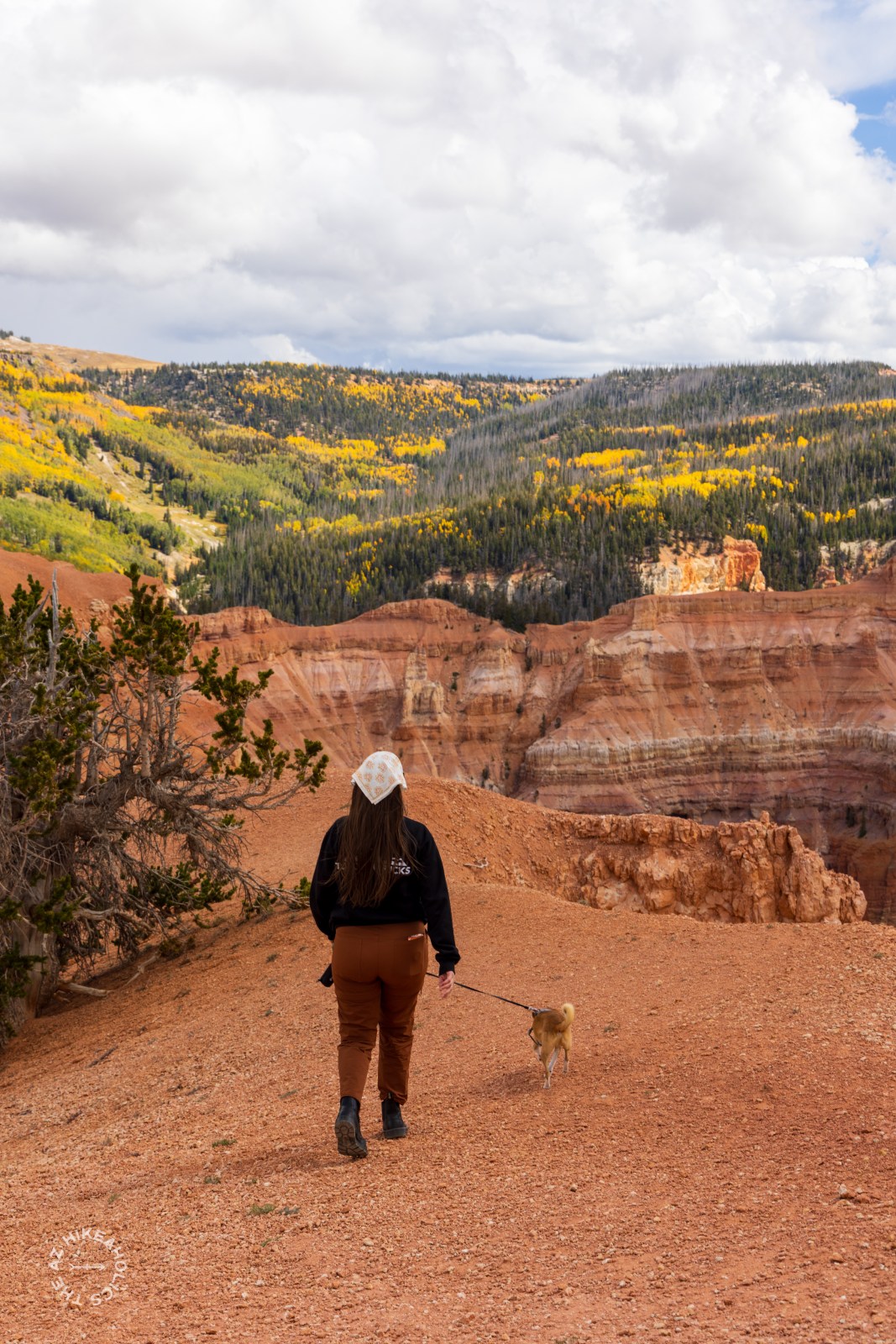
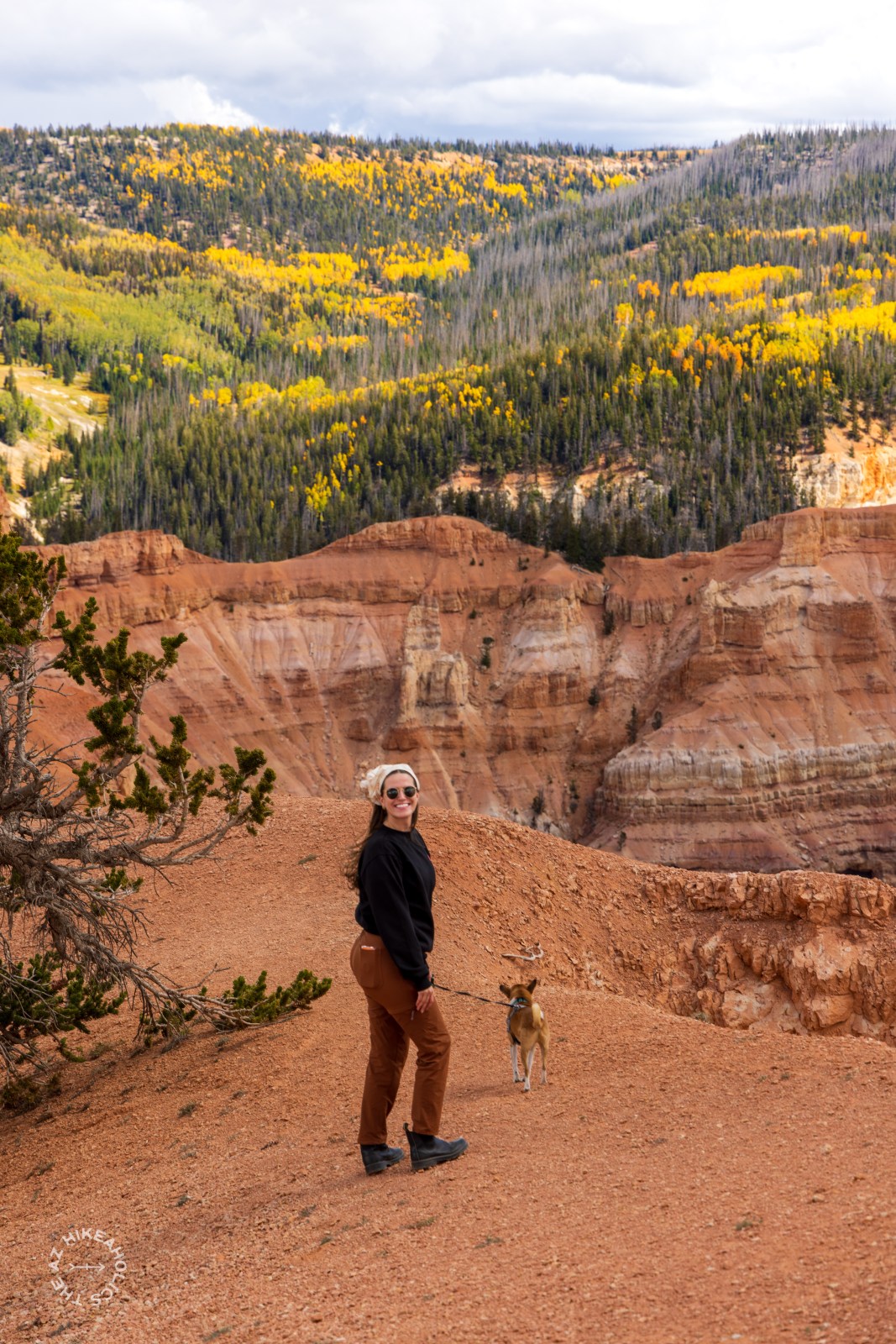
Cedar Breaks National Monument
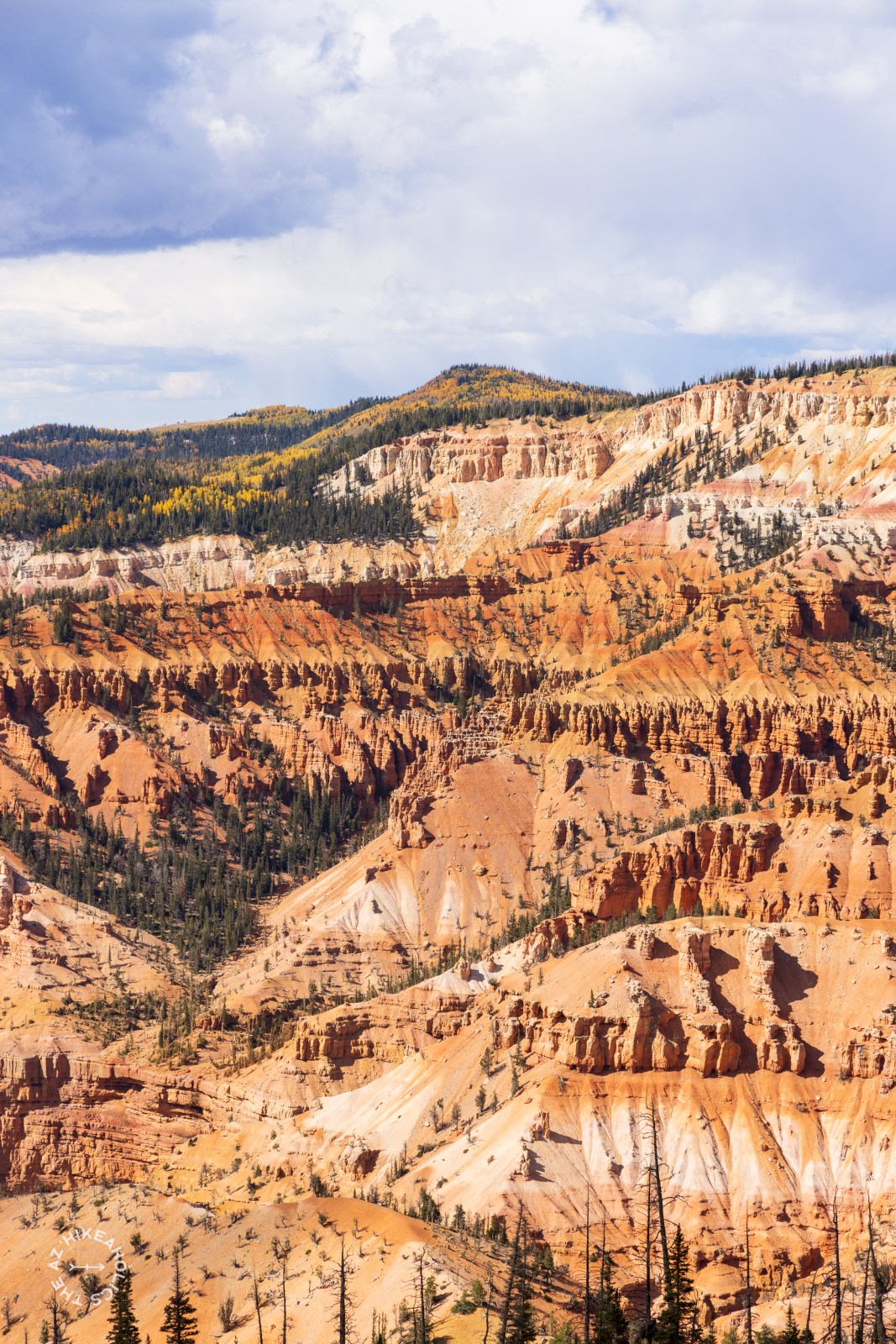
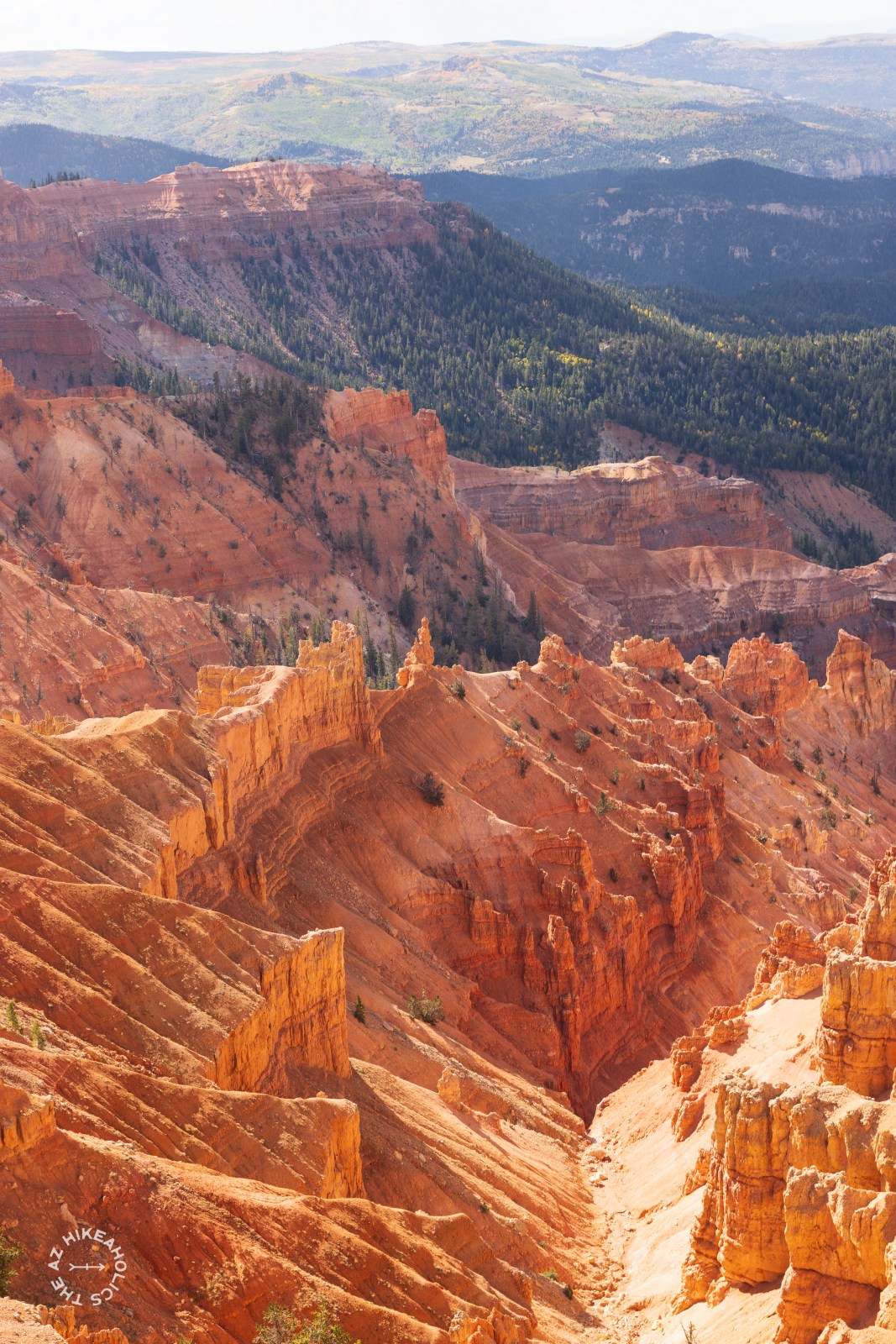
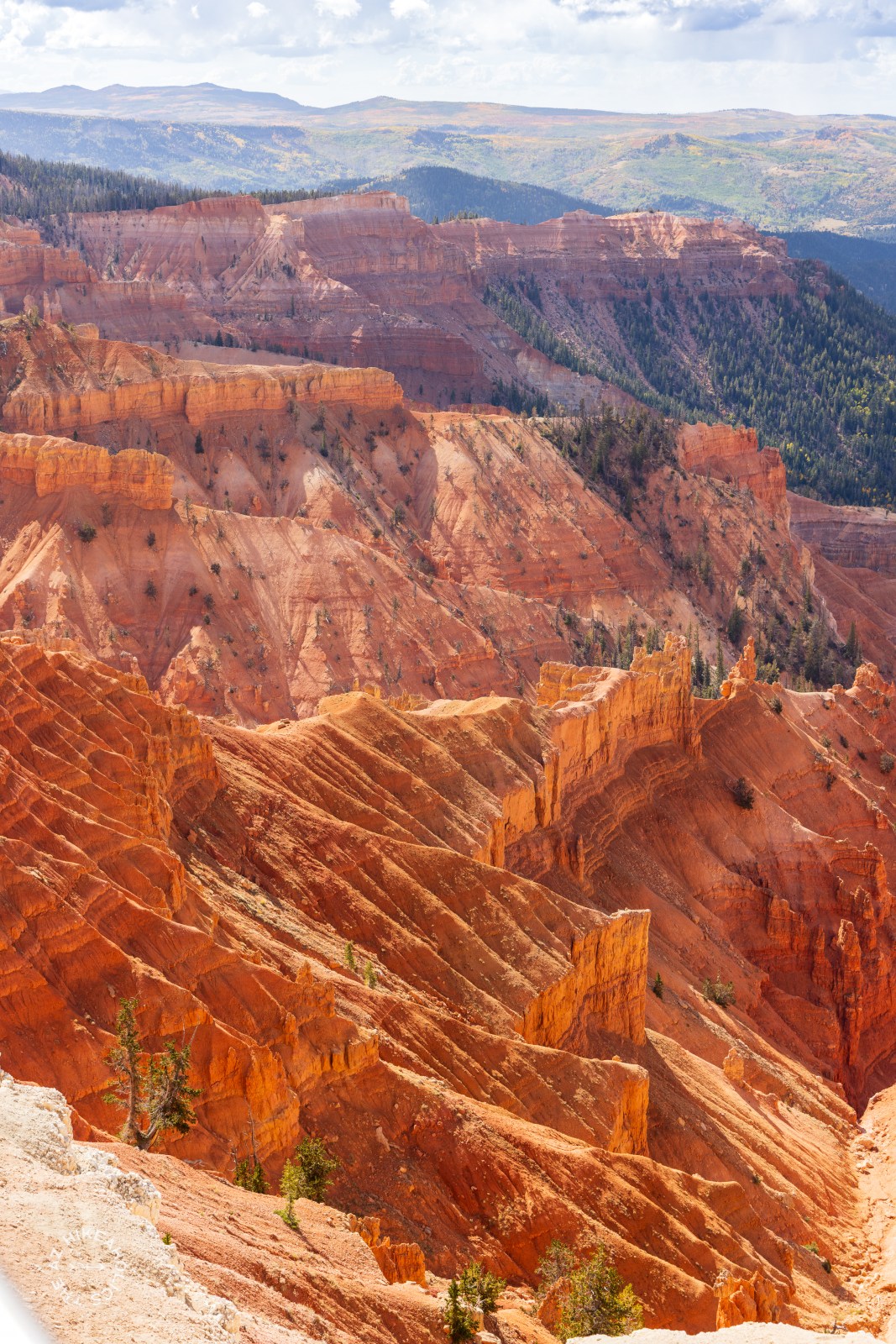
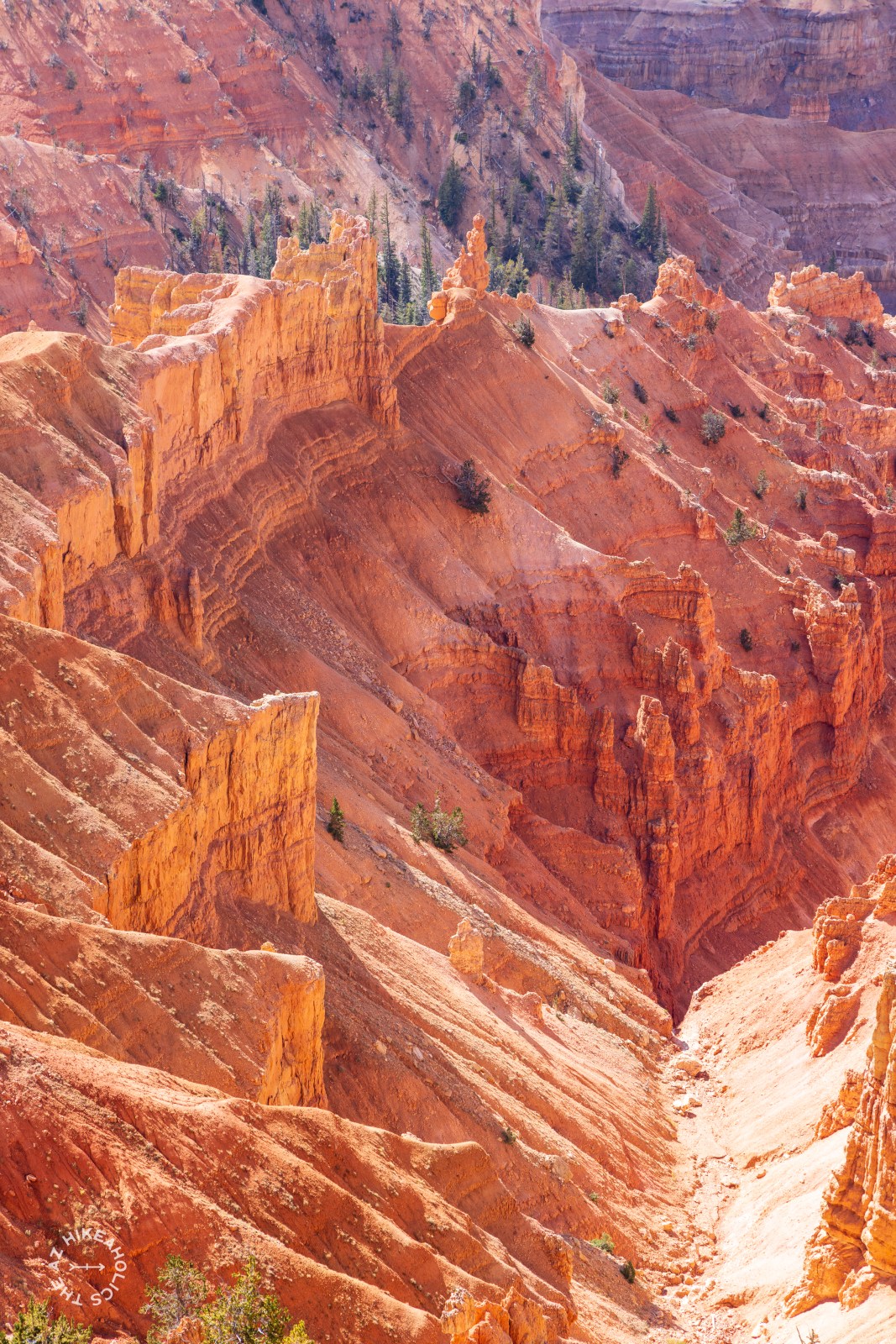
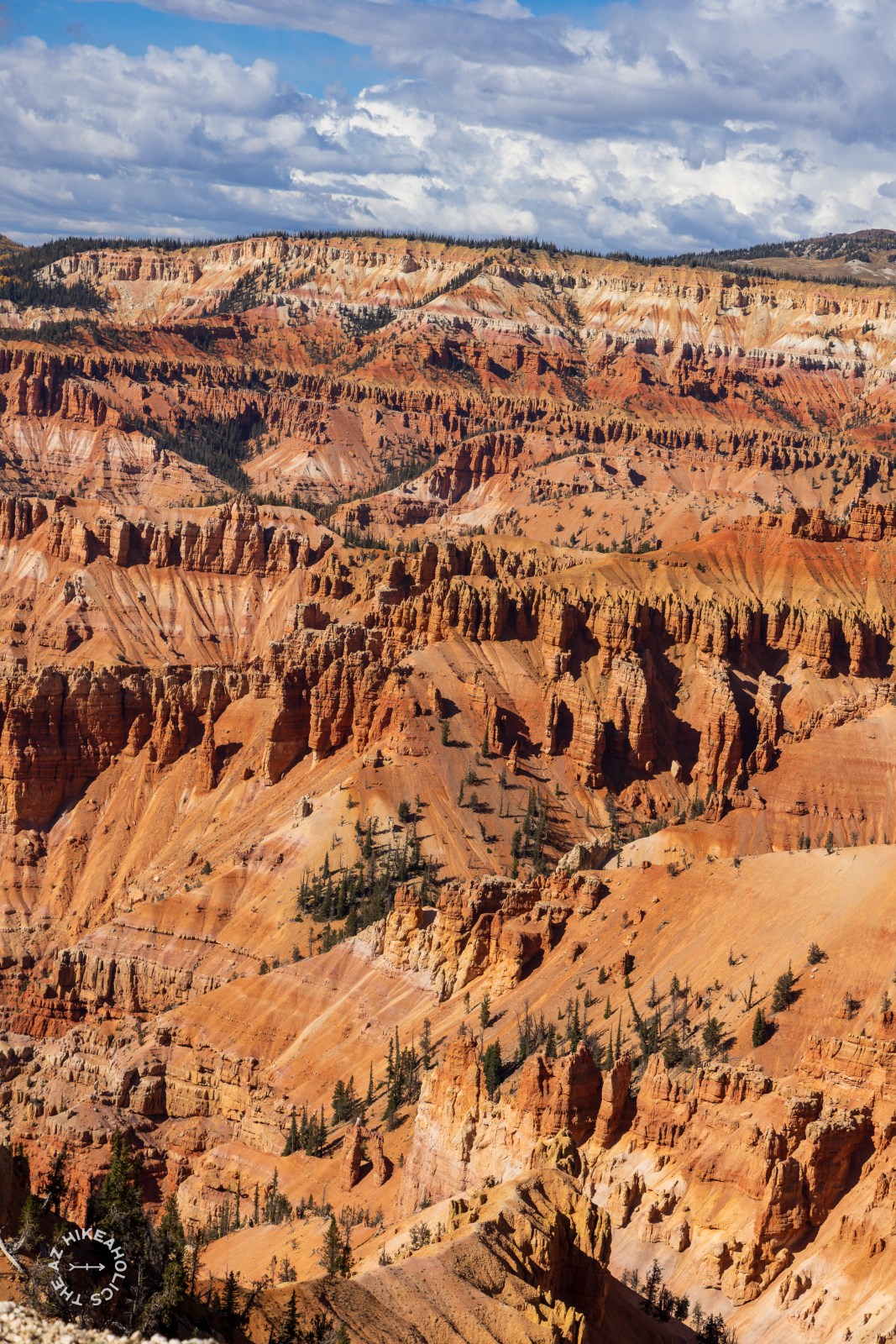
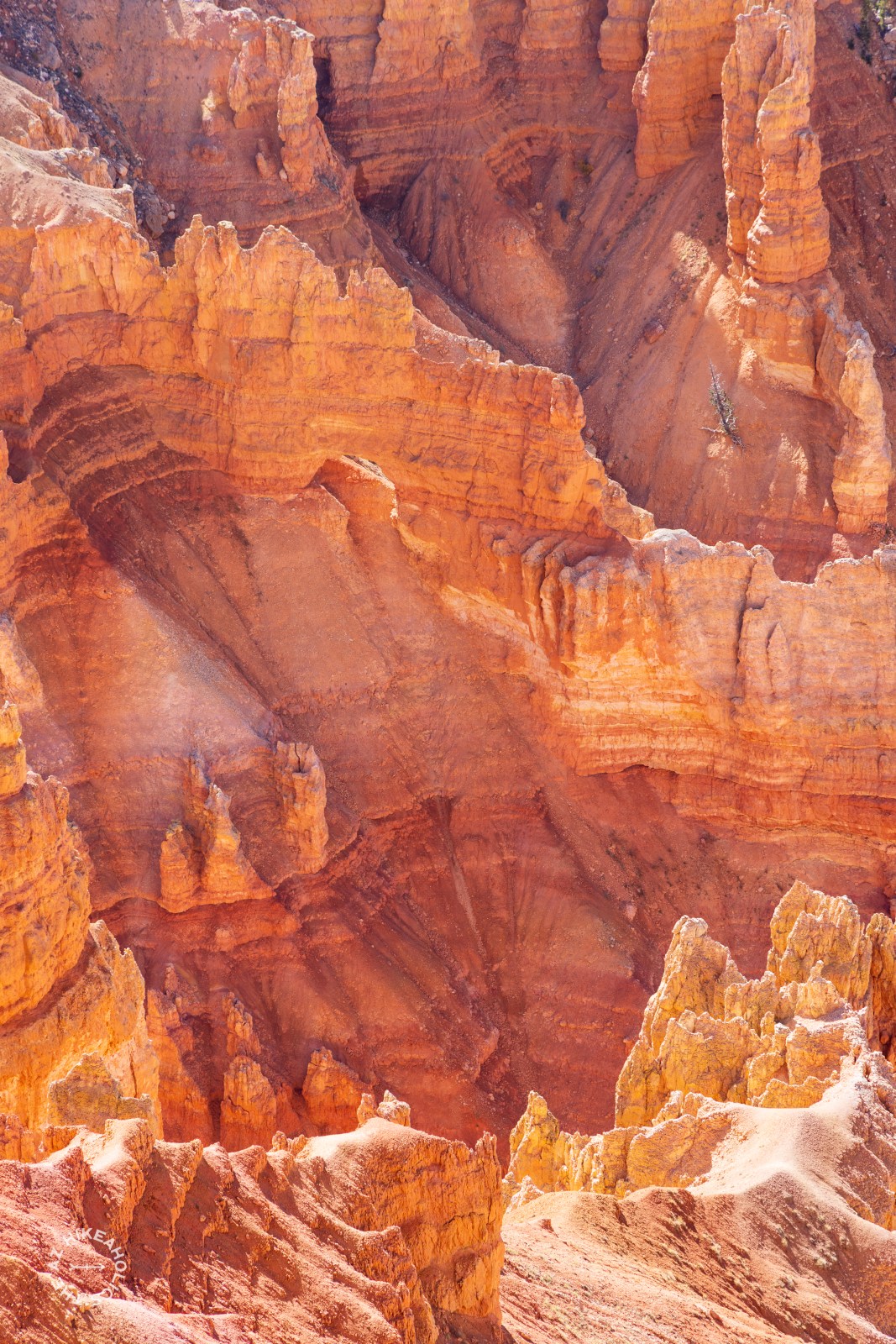
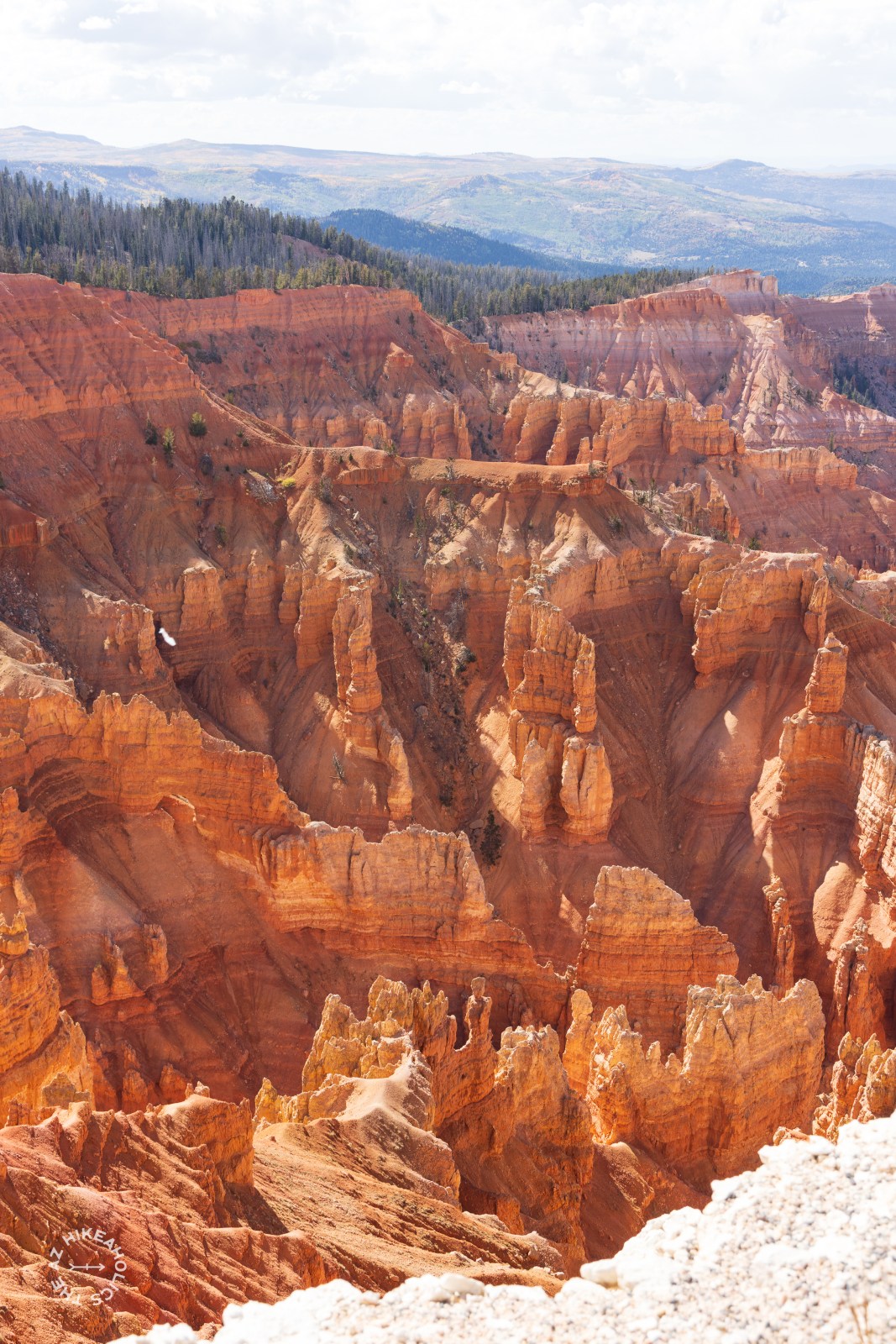
Cedar Breaks National Monument is better known for it’s fantastic views and as part of the top step of the Grand Staircase. Fall colors within the monument are more scattered but with some of the view points, you can see some in the distance.


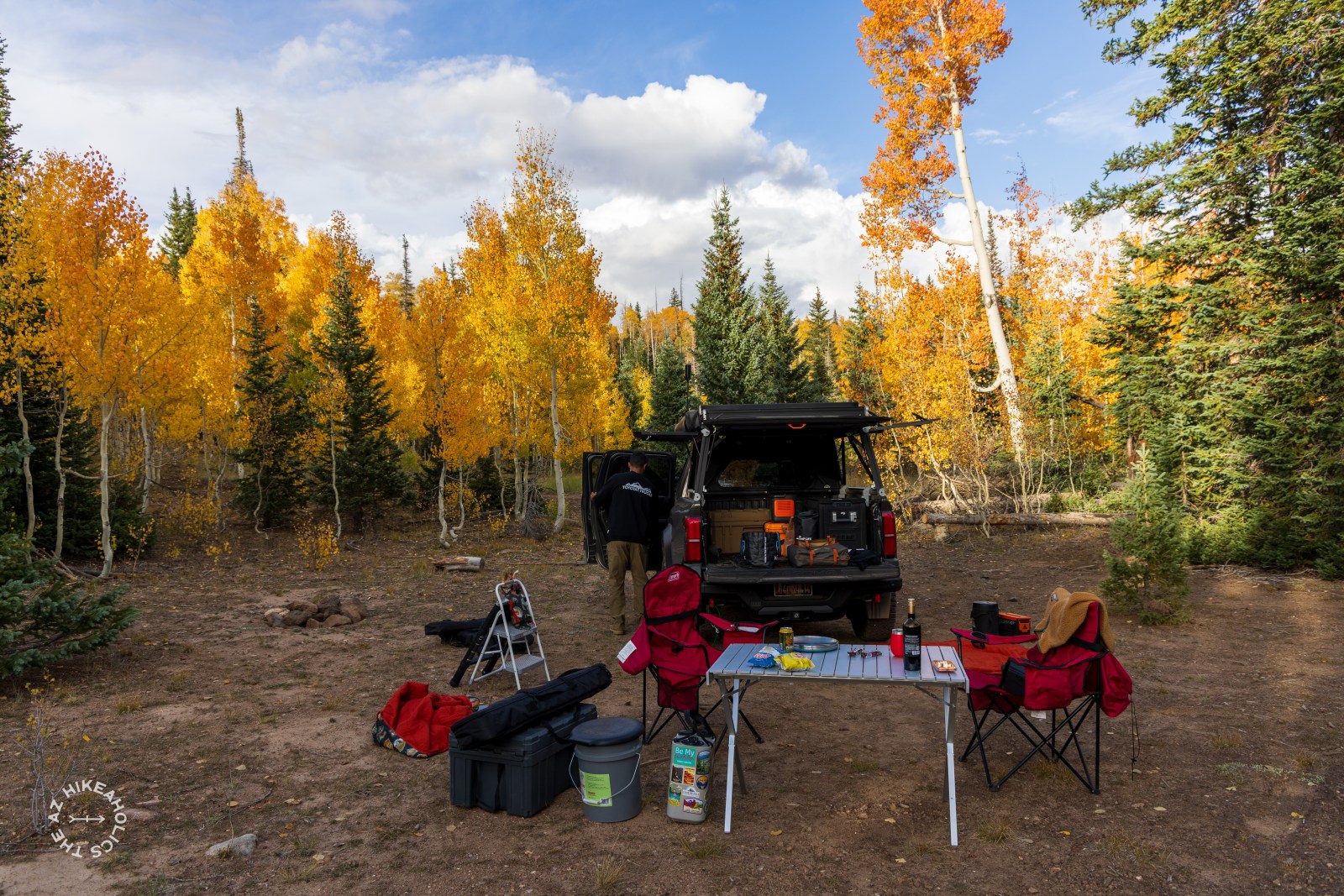
Dispersed Camping in Dixie National Forest
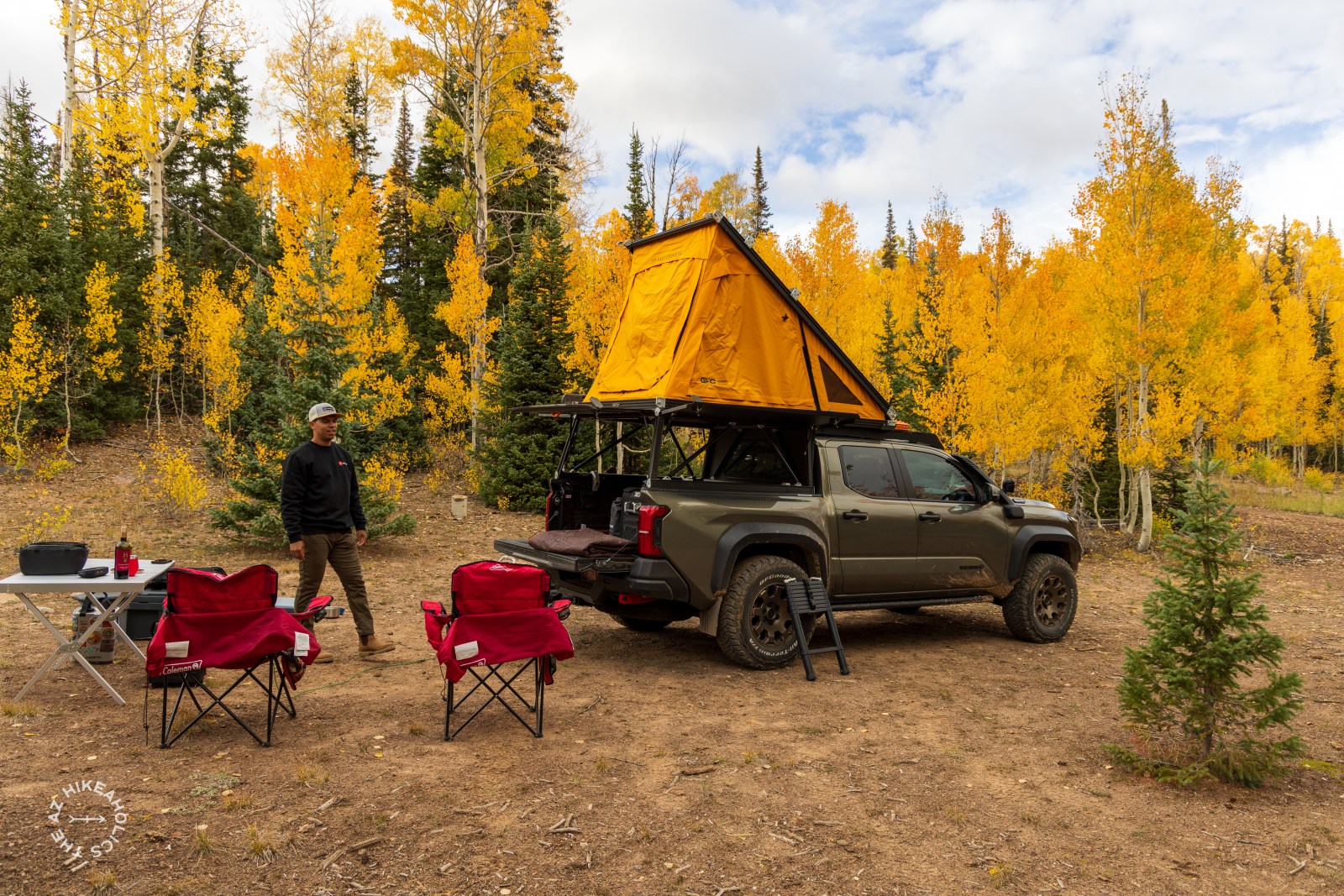
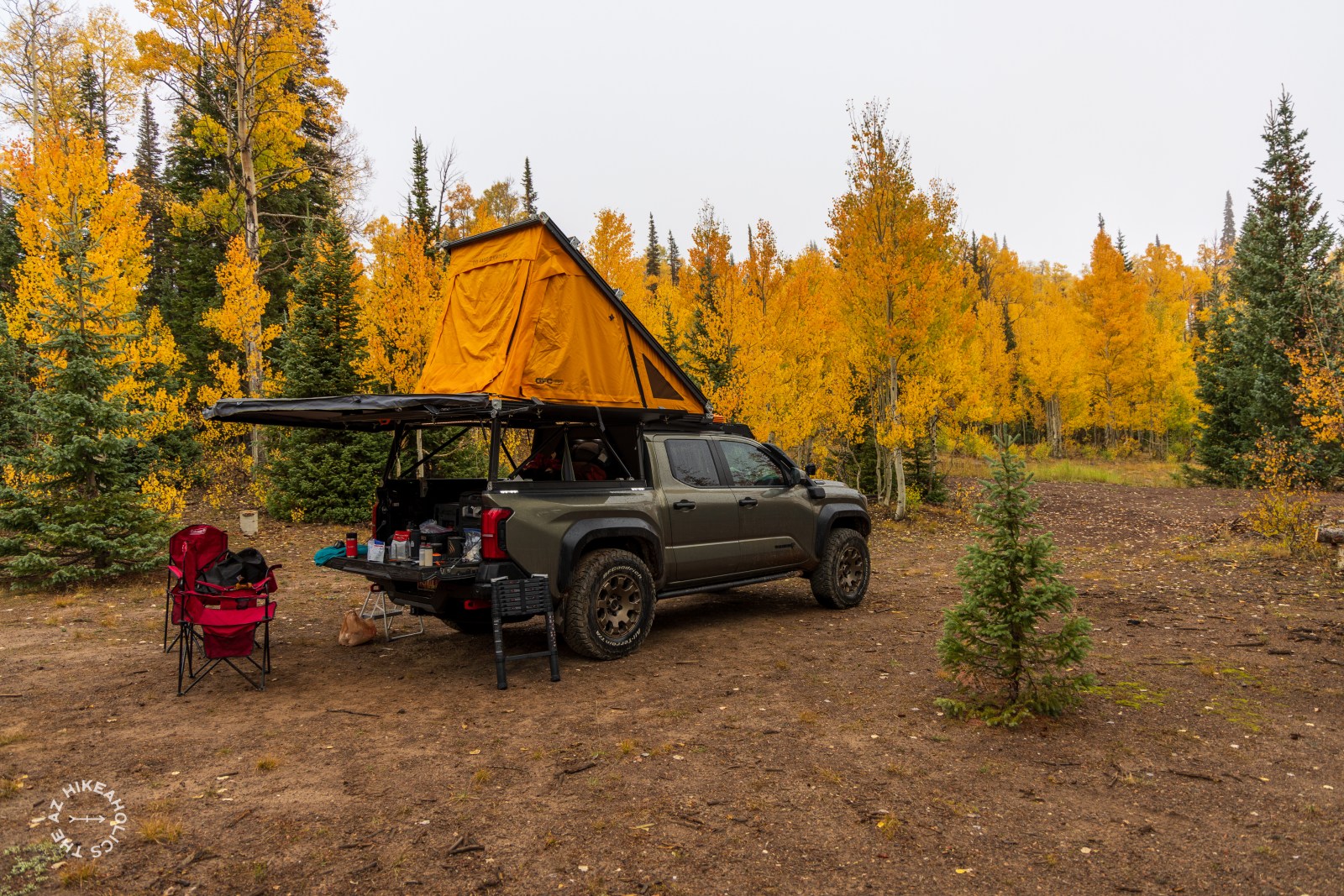
We made our trip over a regular weekend. After work on Friday we drove to Kanab, UT and camped north of town on BLM land. The next morning we drove to Dixie National Forest, Brian Head, and Cedar Breaks National Monument to see Utah fall colors. On Saturday night we dispersed camped in Dixie National Forest. It was a raining experience but we really enjoyed the solitude we experienced.


The AZ Hikeaholics Top Gear Recommendations
Gear for the trail ranges from what’s in our pack to what’s on our back and feet. Here you’ll find what we trust and bring, including the essentials and what keeps us comfortable!

Arizona Fall Colors: When and Where to See Them
Arizona’s fall colors are a must-see, especially the stunning aspens and maples. These trees are connected, making them vulnerable to disease, so it’s crucial to practice Leave No Trace. Fall colors peak from late September in the north to early December in the south, adding vibrant hues to Arizona’s diverse landscapes.

Camping Checklist: What to Bring and How to Get Started
The Ultimate Camping Checklist: Gear and Tips Planning a camping trip? This camping checklist covers all the essentials — from tents and sleeping bags to