Mogllon Rim: See Canyon Trail
See Canyon Trail is located in Tonto National Forest on the Mogollon Rim. The southern trailhead is northeast of Payson, Arizona off State Route 260 and the northern trailhead is off Rim Road (Forest Road 300) above the Mogollon Rim in Apache-Sitgreaves National Forest. See Canyon Trail #184 connects with General Crook Trail #140 above the Mogollon Rim and shares a section of Highline Trail #31at the southern start of the See Canyon before Highline Trail continues it’s eastward journey.
The Mogollon Rim is nearly 200 miles long and forms the southern edge of the Colorado Plateau. The popular geological feature, known as an escarpment, helps Arizonans define the state’s High Country. Above the rim, elevations can range from 6,000 to 8,000 feet above sea level, depending on where you are. Interestingly, the Mogollon Rim often has much different weather than the areas north and south of the rim itself. Because of the physical size of the rim and plateau it creates, it’s often a meeting place for cooler and warmer air to clash. This mixture of air produces clouds and weather, especially during the summer monsoon where strong afternoon thunderstorms are almost a daily occurrence. And during the winter, the rim can get a lot of snow and low clouds at the top.
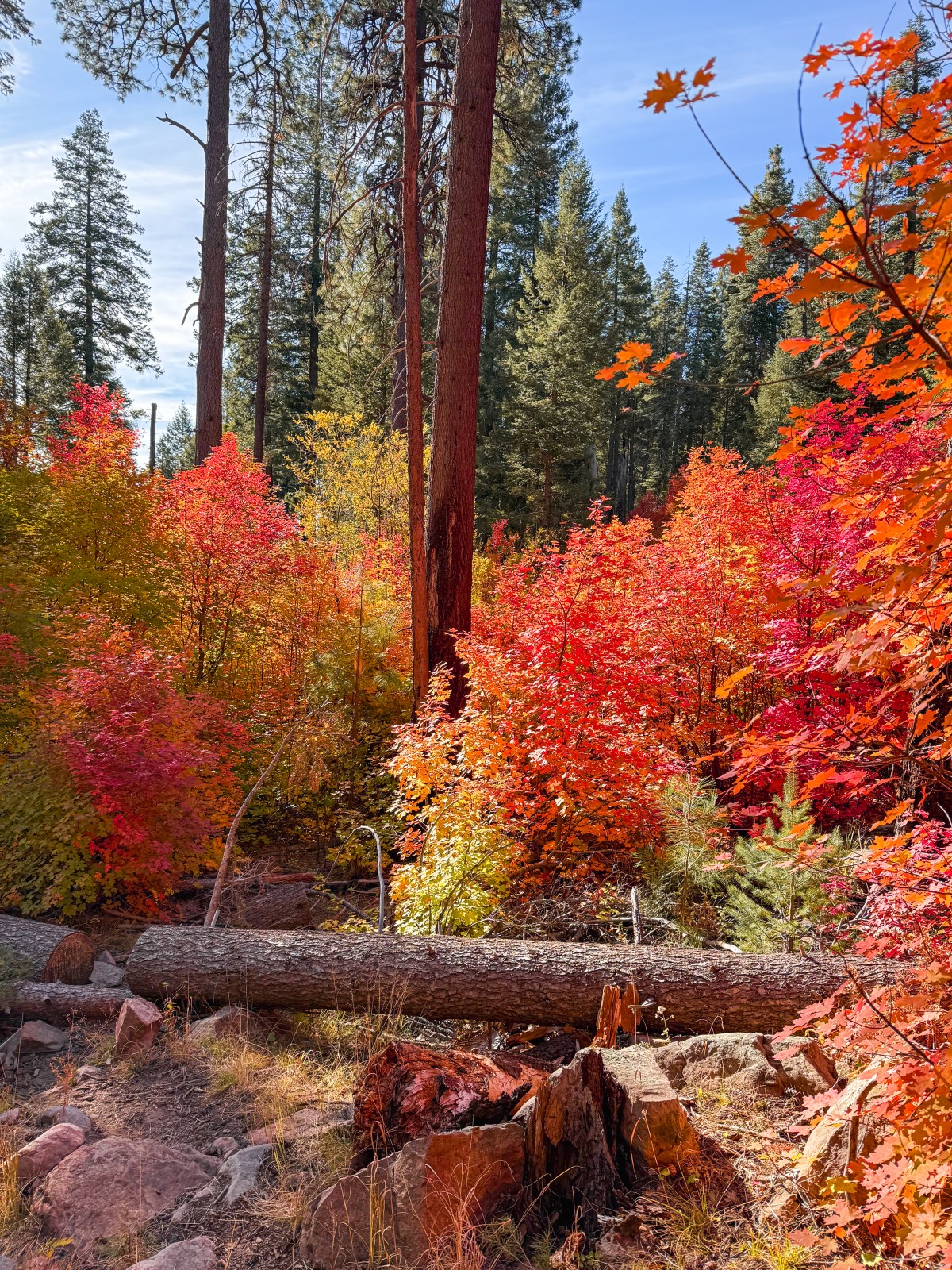
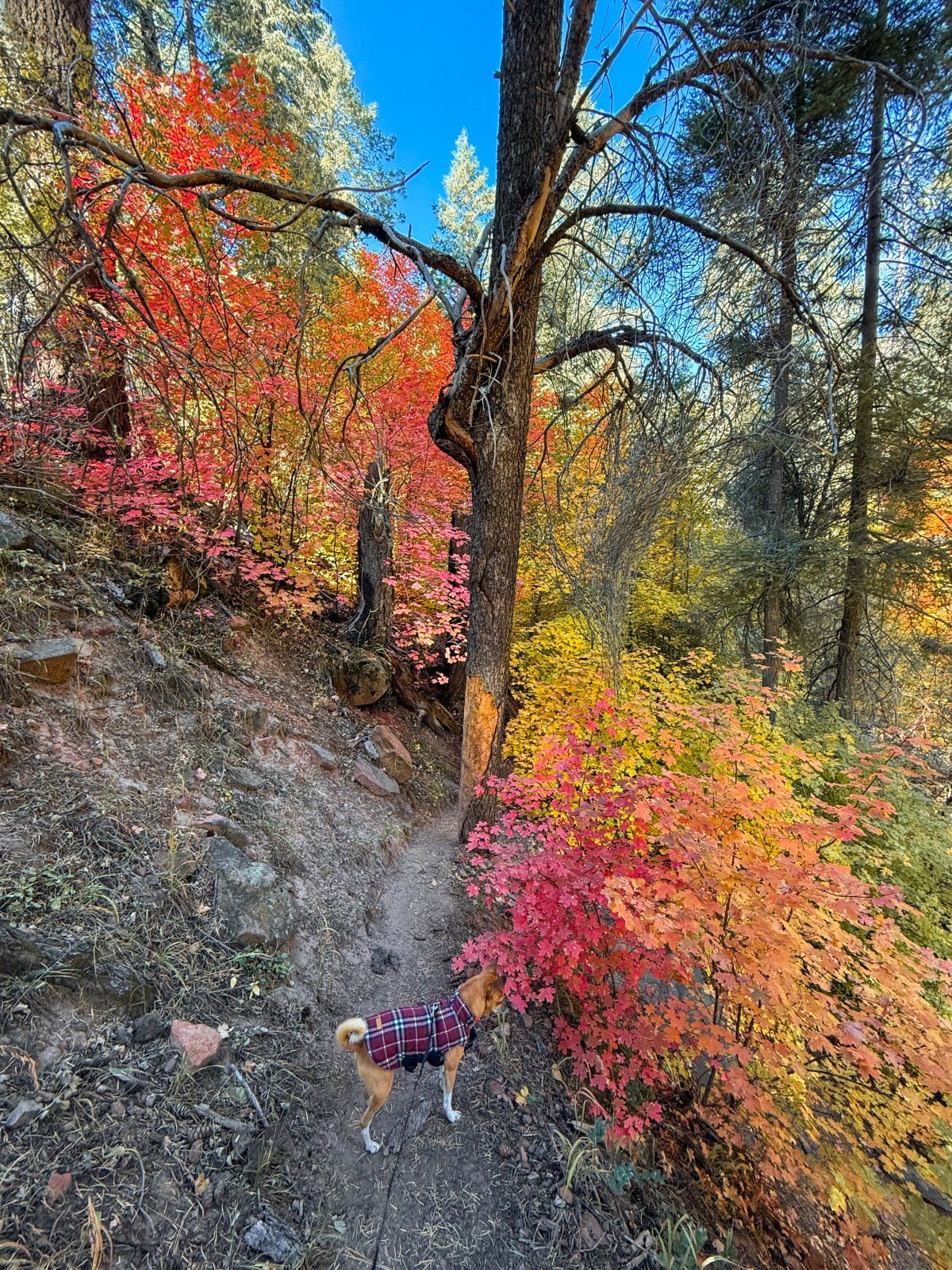
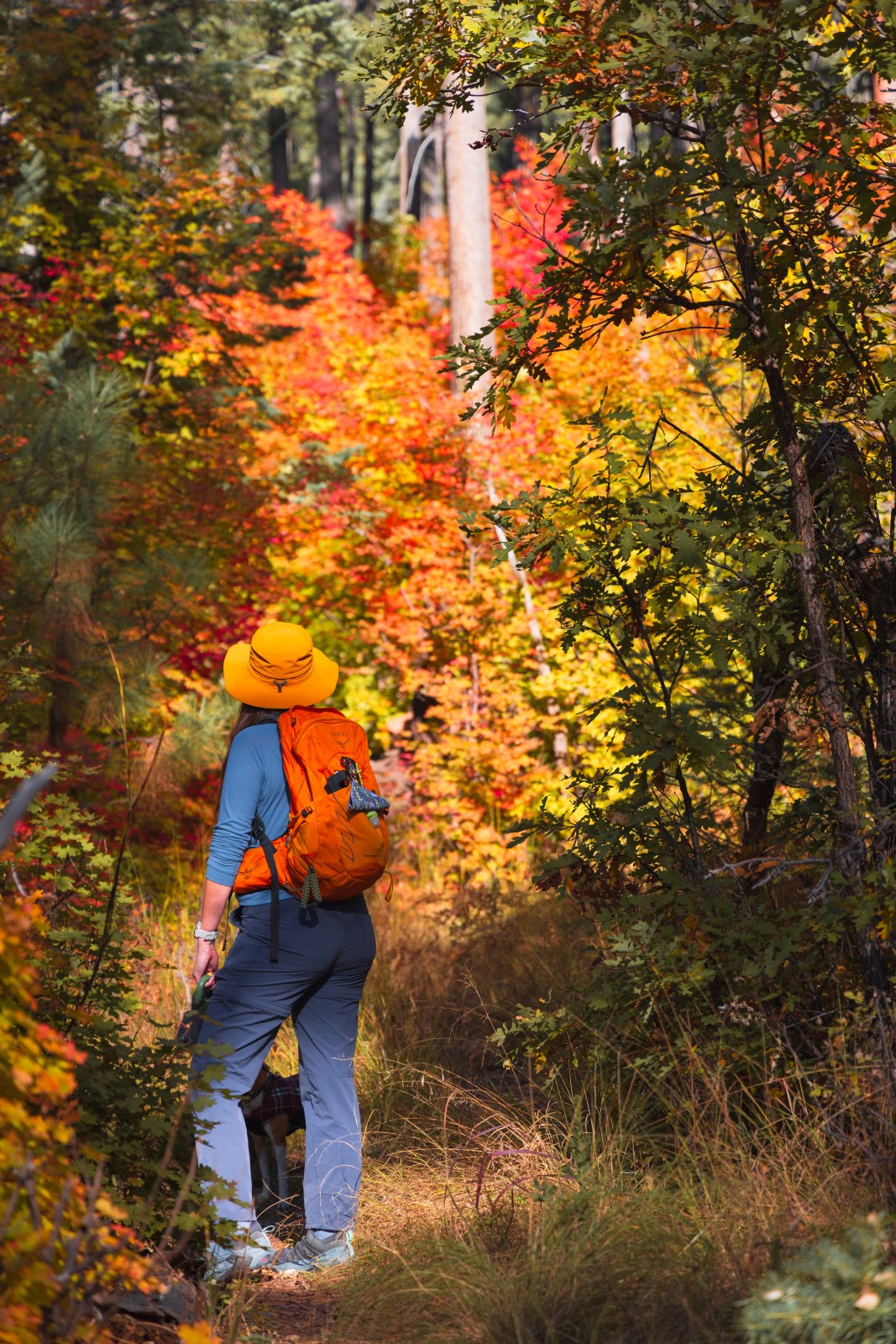
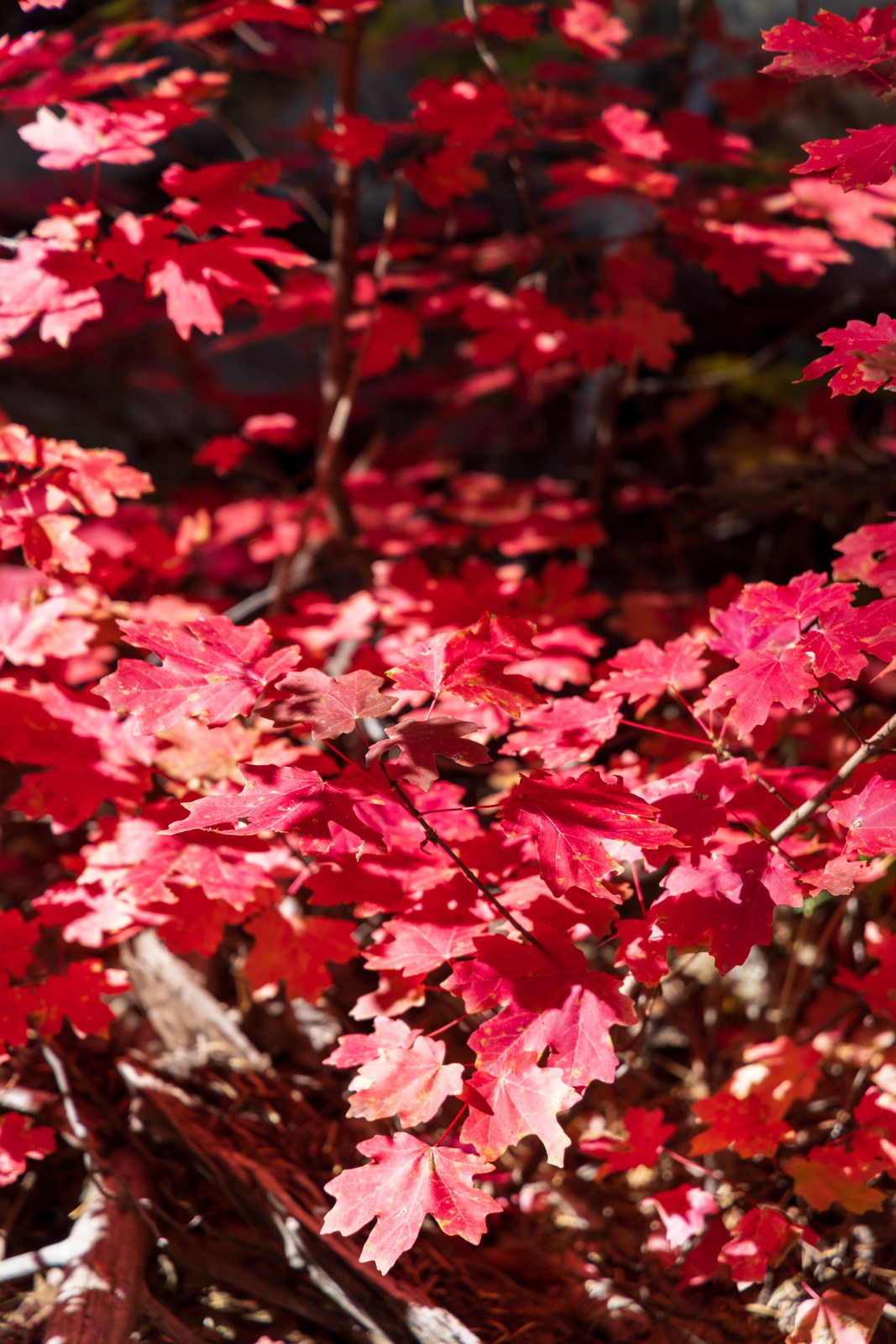
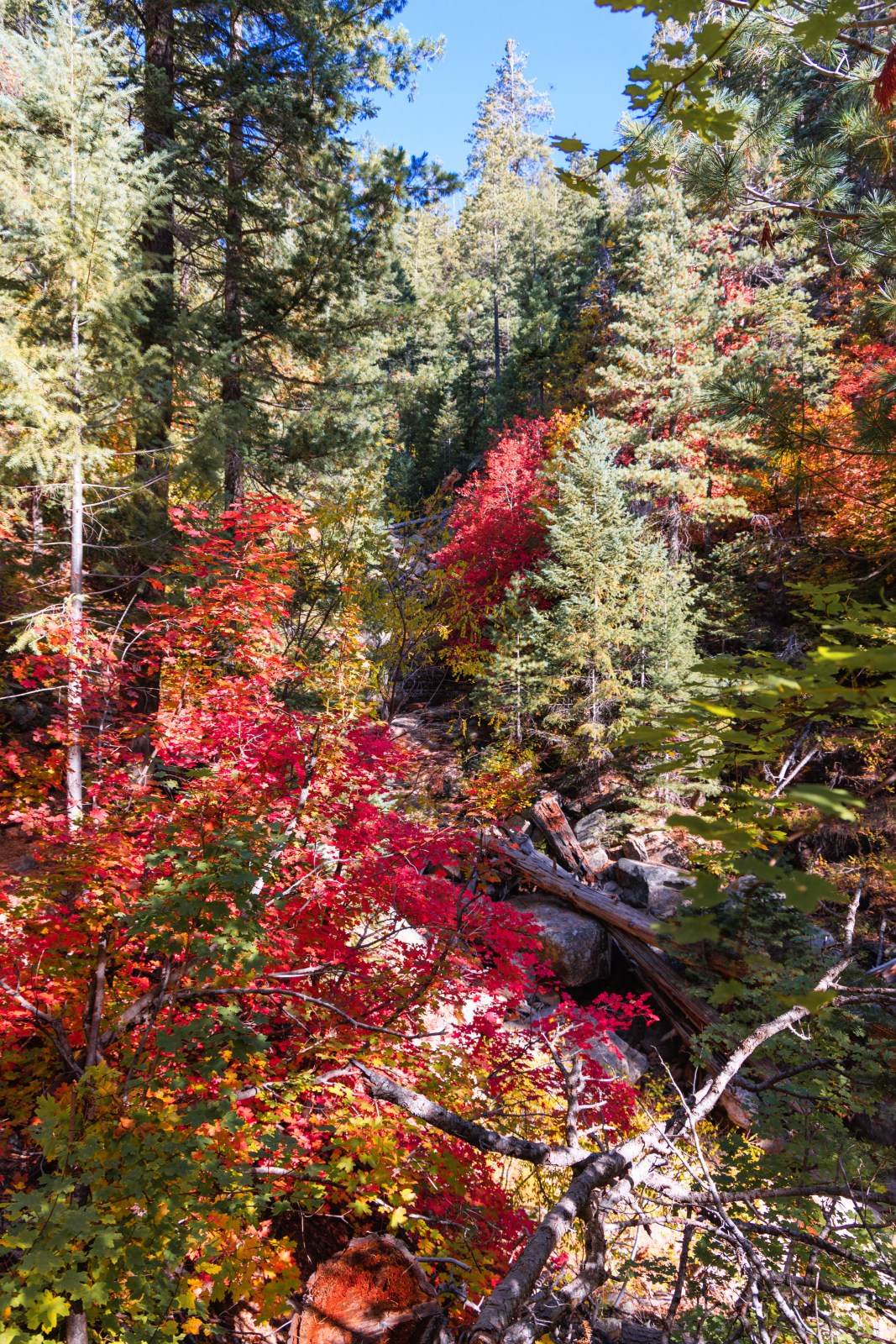
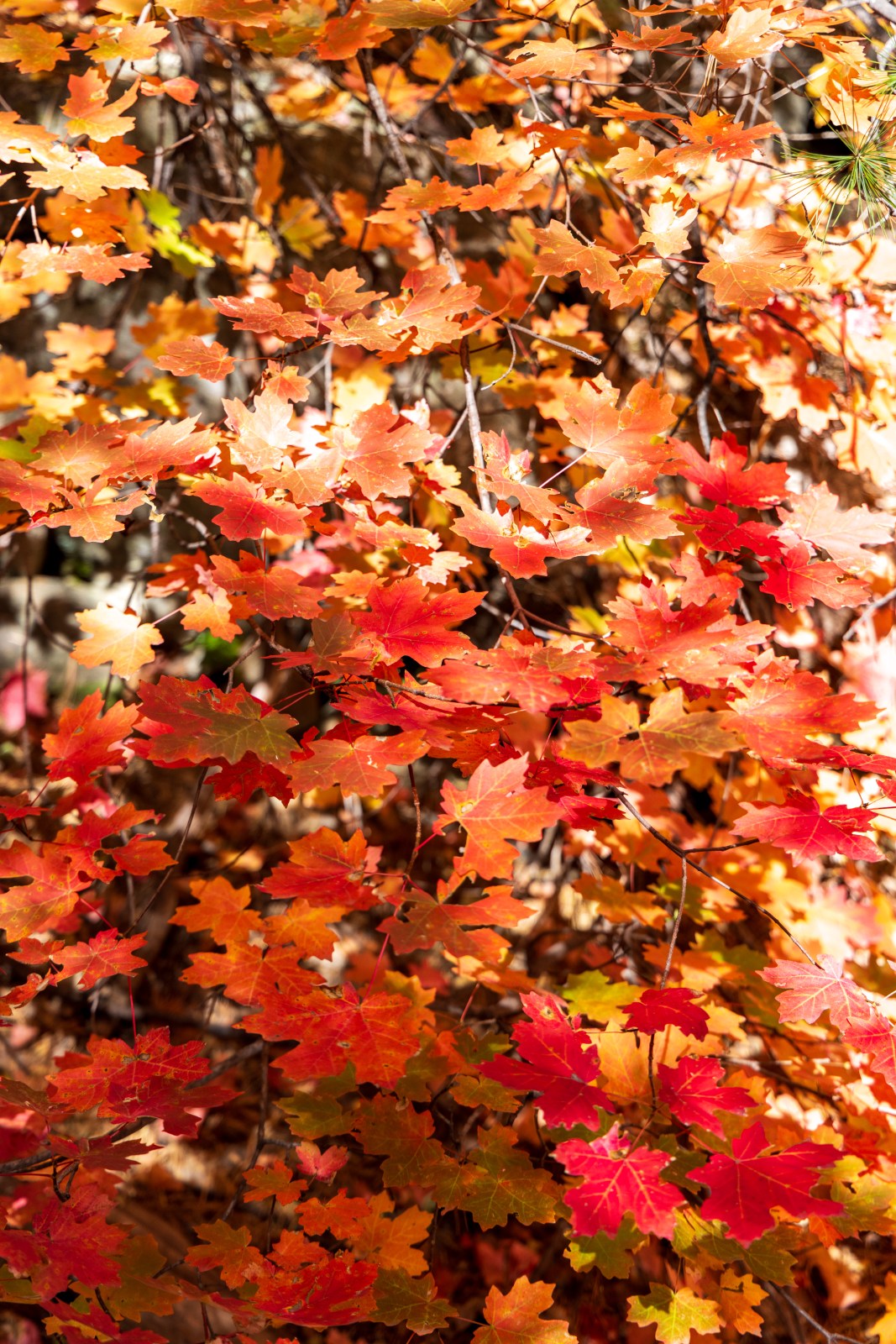
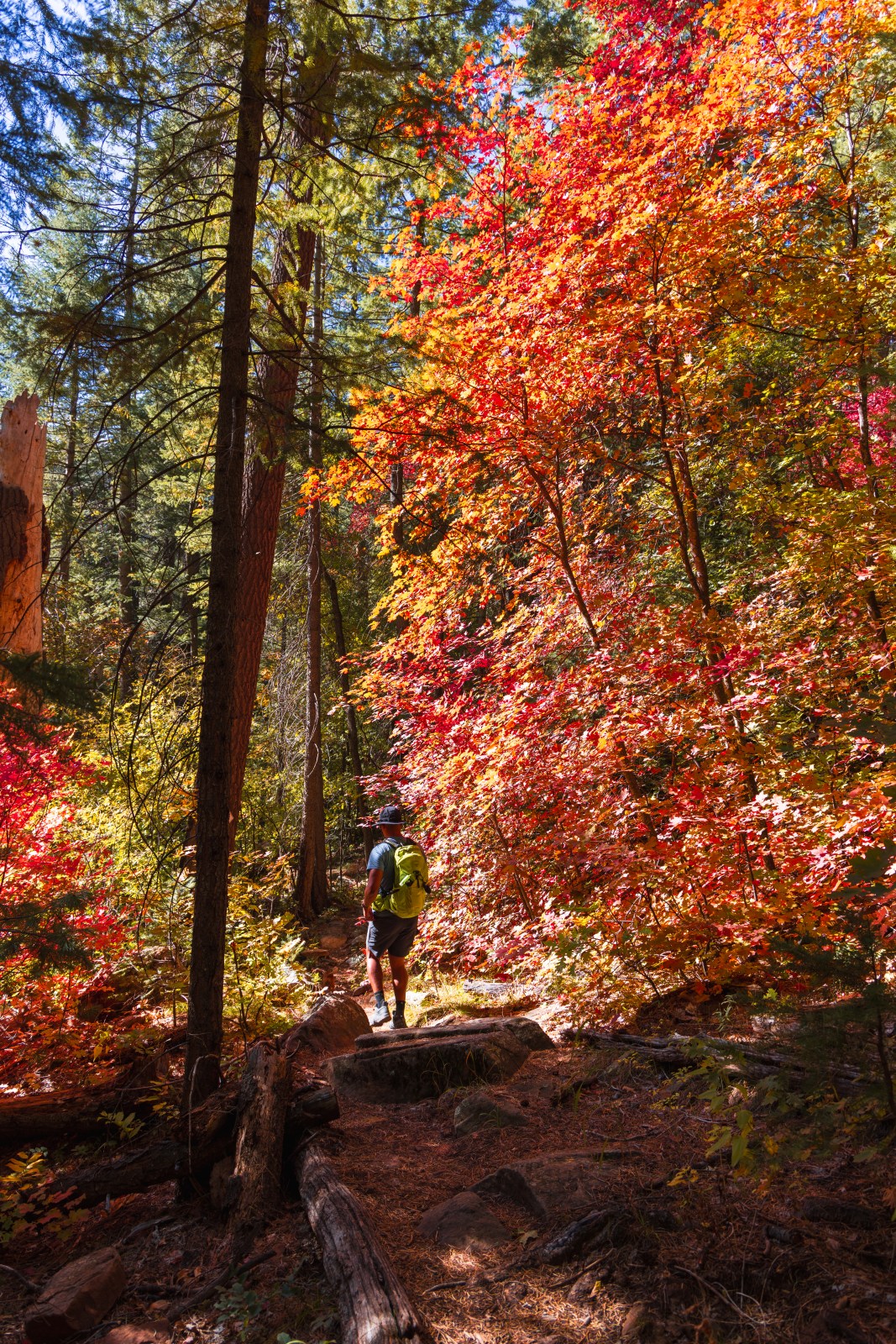
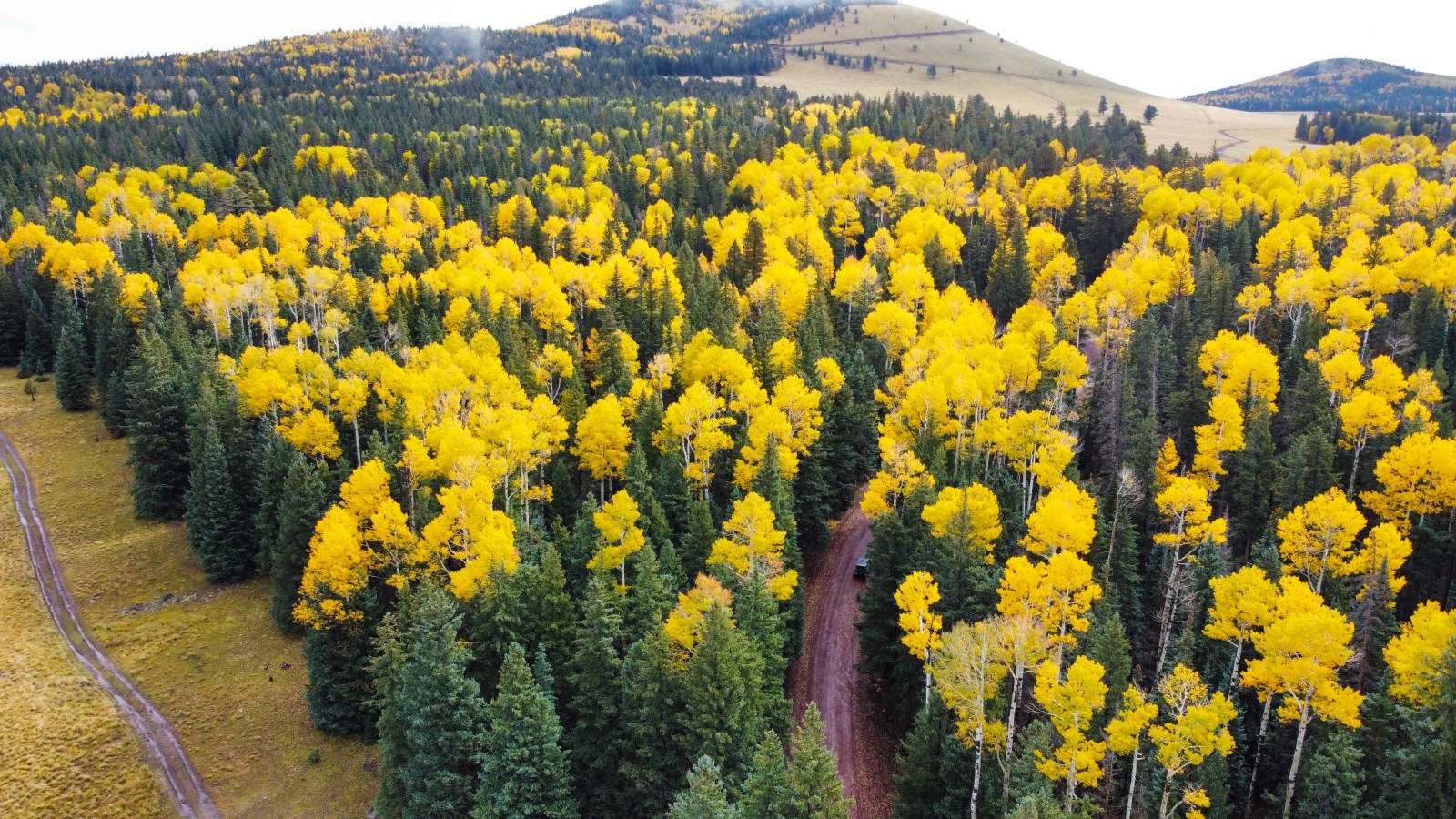
Ponderosa pines and other conifers dominate the slopes of the rim. However, along creeks and riparian areas, the rim is home to maples and oaks. These two trees turn a beautiful hue ranging from yellow to red during the fall. Above the rim, colors start to change around mid October and as the elevation of the rim descends, the fall colors change later in the year ranging from mid October to mid November.
Leave No Trace
Please remember to practice the 7 Leave No Trace Principles when visiting. This is a remote area home to abundant wildlife and open to camping. Please do not feed wild animals, be bear aware, and camp more than 200 feet from water sources.
Quick Stats: See Canyon Trail #184
Length:
7 Miles
Route Type:
Out and back
Elevation Gain:
1,700 ft
Vaulted Toilets:
Yes
Directions to See Canyon Trailhead
Getting to southern Trailhead near Christopher Creek is fairly easy. From the State Route 87 intersection with State Route 260 in Payson, take the 260 east for 20 miles. The highway climbs the rim and you’ll notice the change in elevation and vegetation. Take a left at the Christopher Creek exit, crossing the westbound lanes. From there take Christopher Creek Loop 1.1 miles to Forest Road 284 on the left. The road sign is relatively small. Once on Forest Road 284, follow the road all the way to the end. The road’s terminus is the parking lot for See Canyon Trailhead and Highline trail.
Maps
For digital directions, search See Canyon Trailhead in Google Maps or use the “Get directions” feature in AllTrails and select the digital map app of your choice. Unfortunately, searching for the trail in Apple Maps will bring you to the northern trailhead on top of the Mogollon Rim.
The Hike
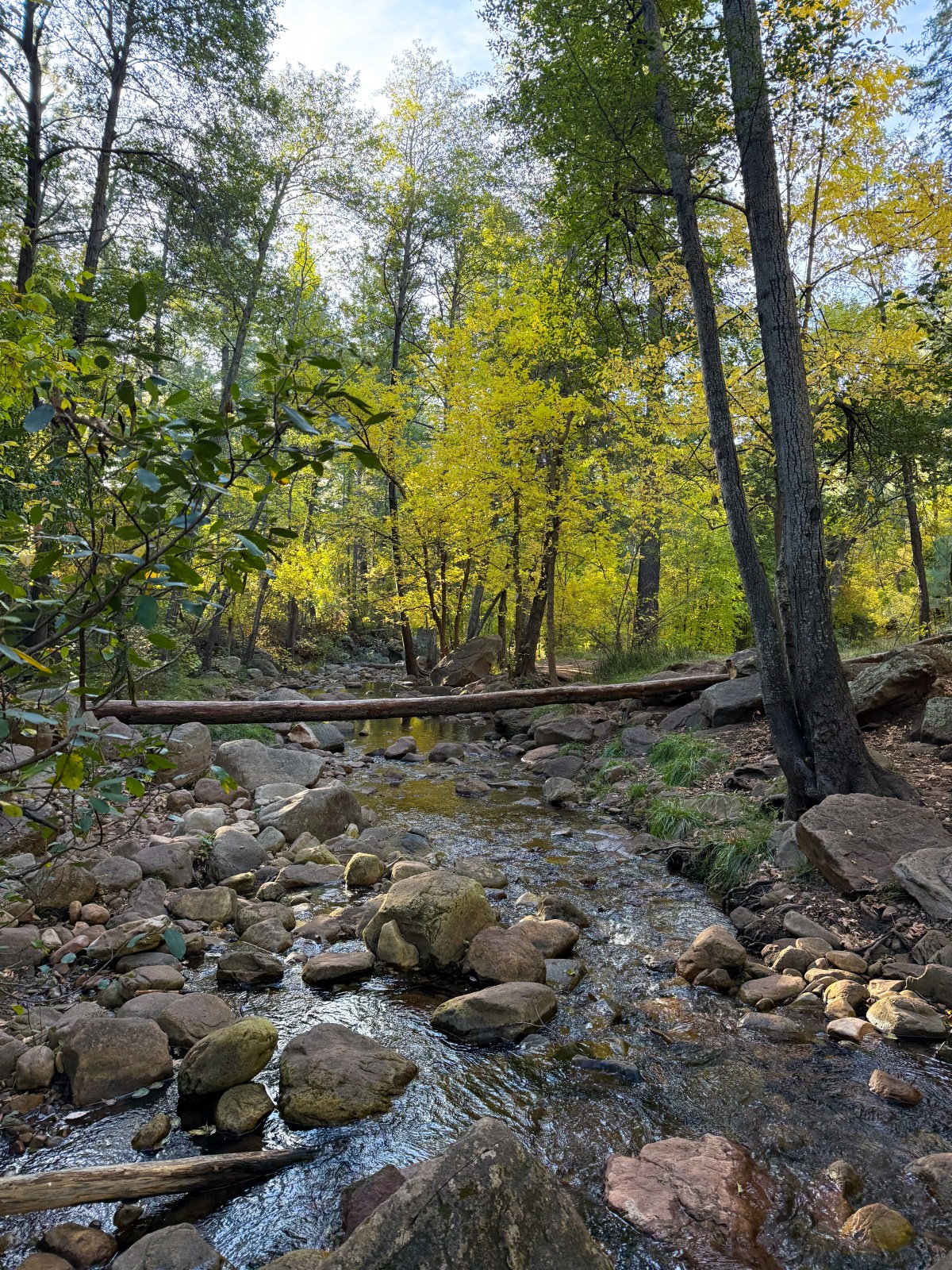
The trail starts relatively easy and wide. For the first part of the trail, you’re also on the Highline Trail until it splits off and continues east. The first water crossing also comes up fairly quickly, and depending on the water levels it shouldn’t be too difficult. We didn’t get wet at all.


After crossing the creek, the trail is still relatively easy, although the elevation is over 6,000 feet above sea level. Next, the trail veers away from Christopher Creek and through the forest and grasses. After 3/4 of a mile from the trailhead, the trial forks, with the right fork leading to See Spring and the left fork leading to See Canyon. This fork is marked by a large grey wooden sign placed by the US Forest Service. The signs says 2 miles to Rim Road which is a little bit short of reality.
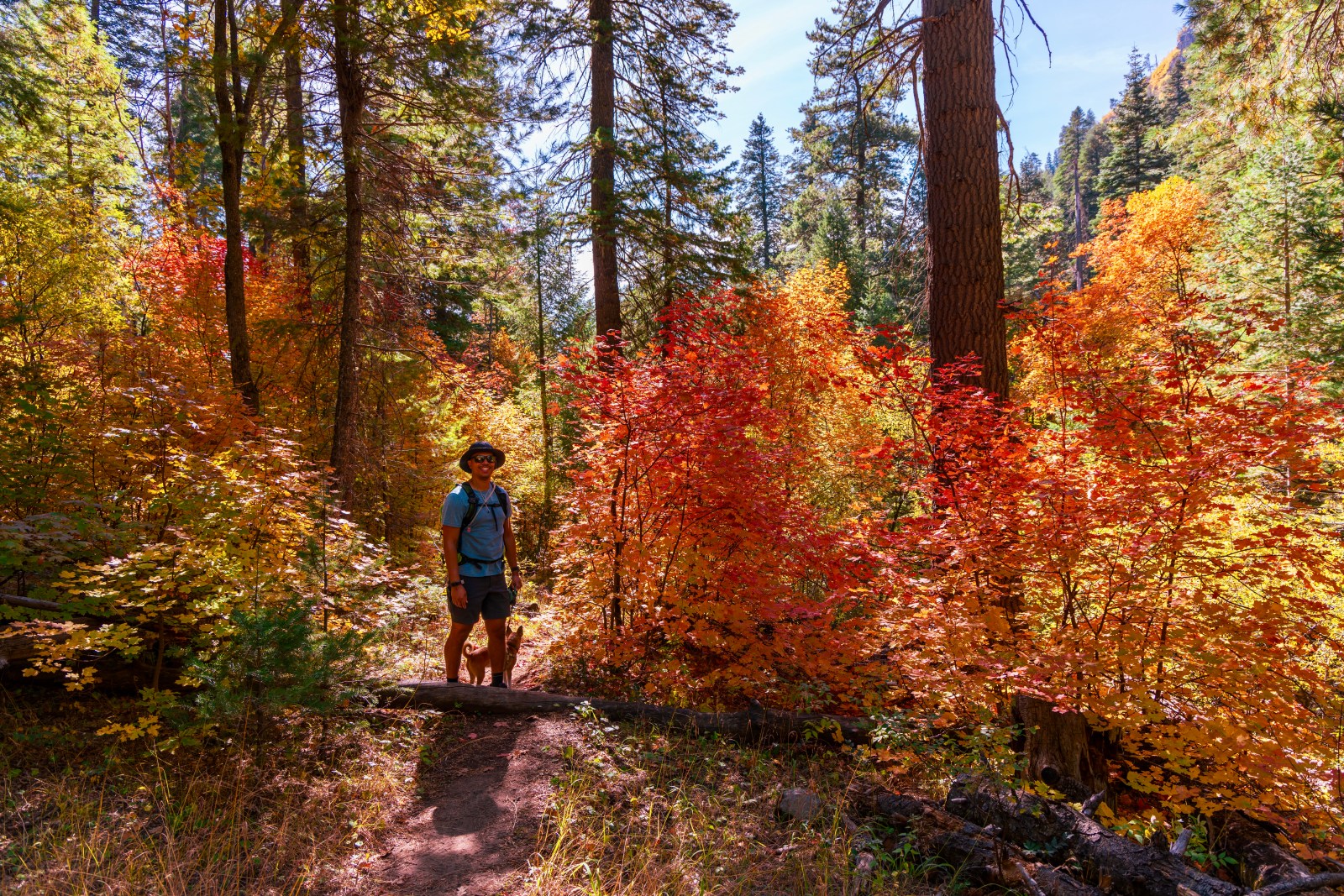
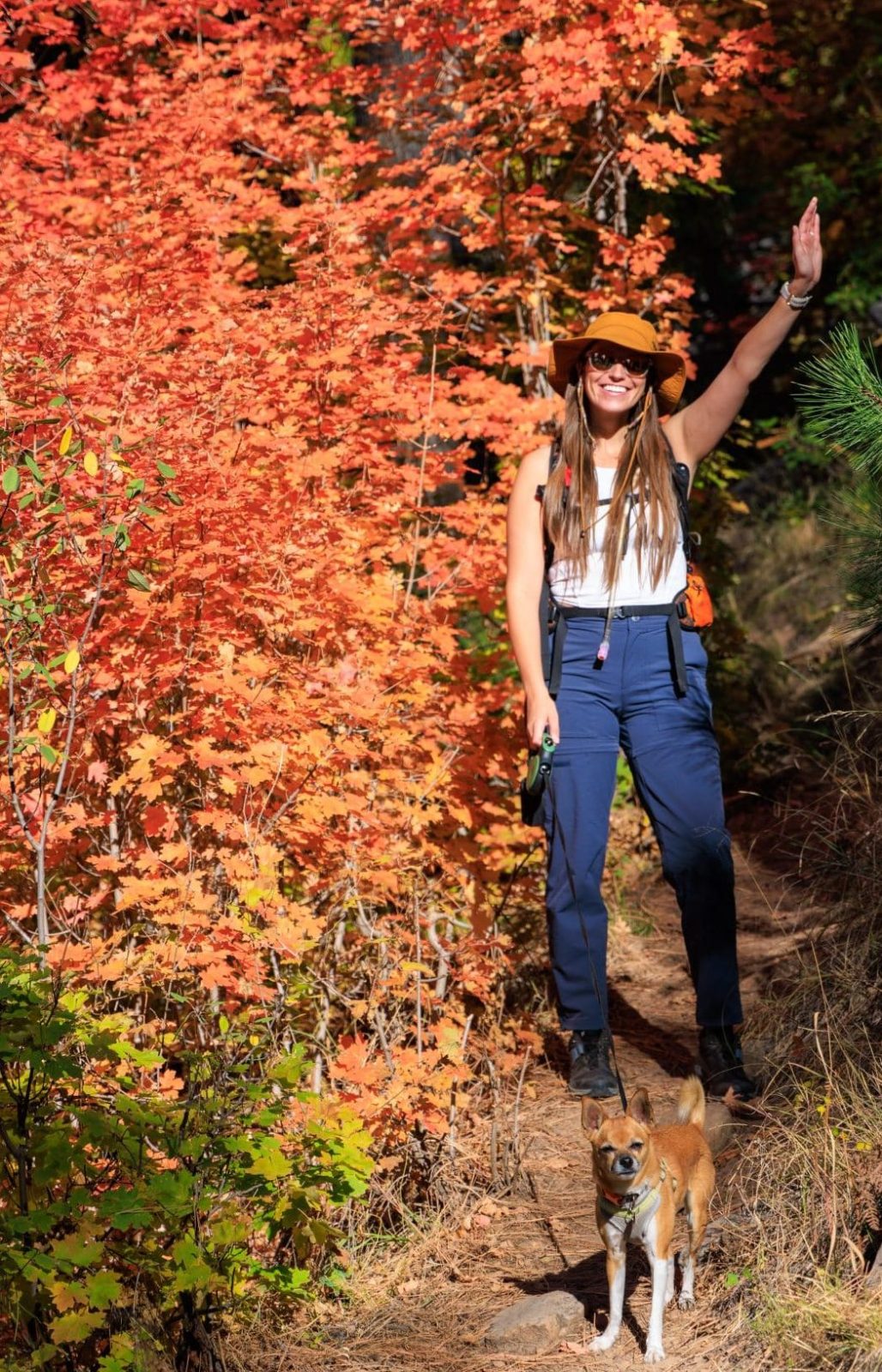
The trail quickly crosses Christopher Creek again. From this point on, the trail is mostly a gradual or steep incline. There are a few flat or downhill sections, but they’re short lived and spread out. See Canyon Trail veers left a little and the canyon gets more obvious. The trail continues to climb and a little short of two miles from the trailhead the trail is above the creek before it leads down and across the creek. Here the maples and oaks are abundant and were showing off their beautiful fall colors.


Fall Colors & Elevation Gain
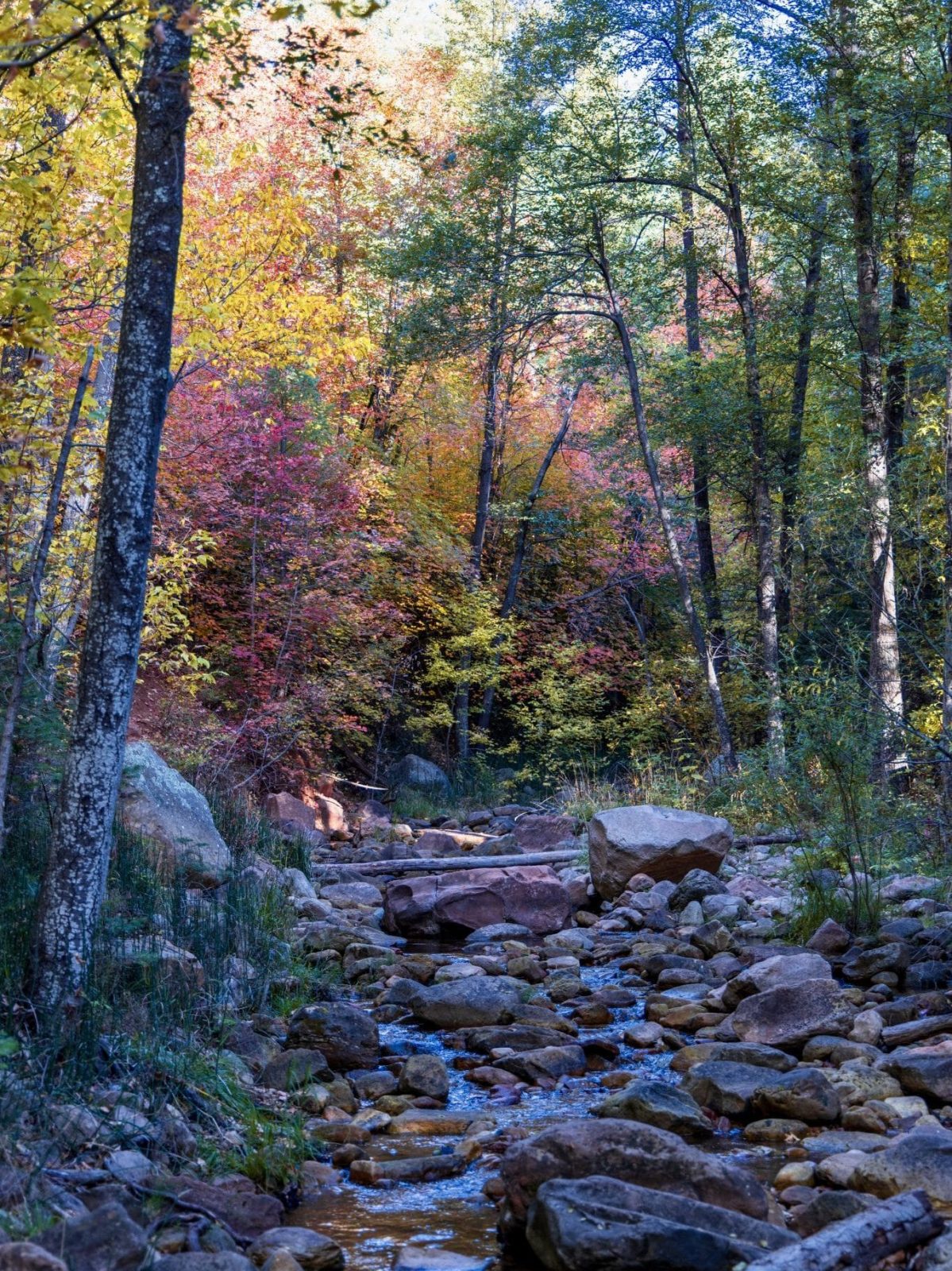
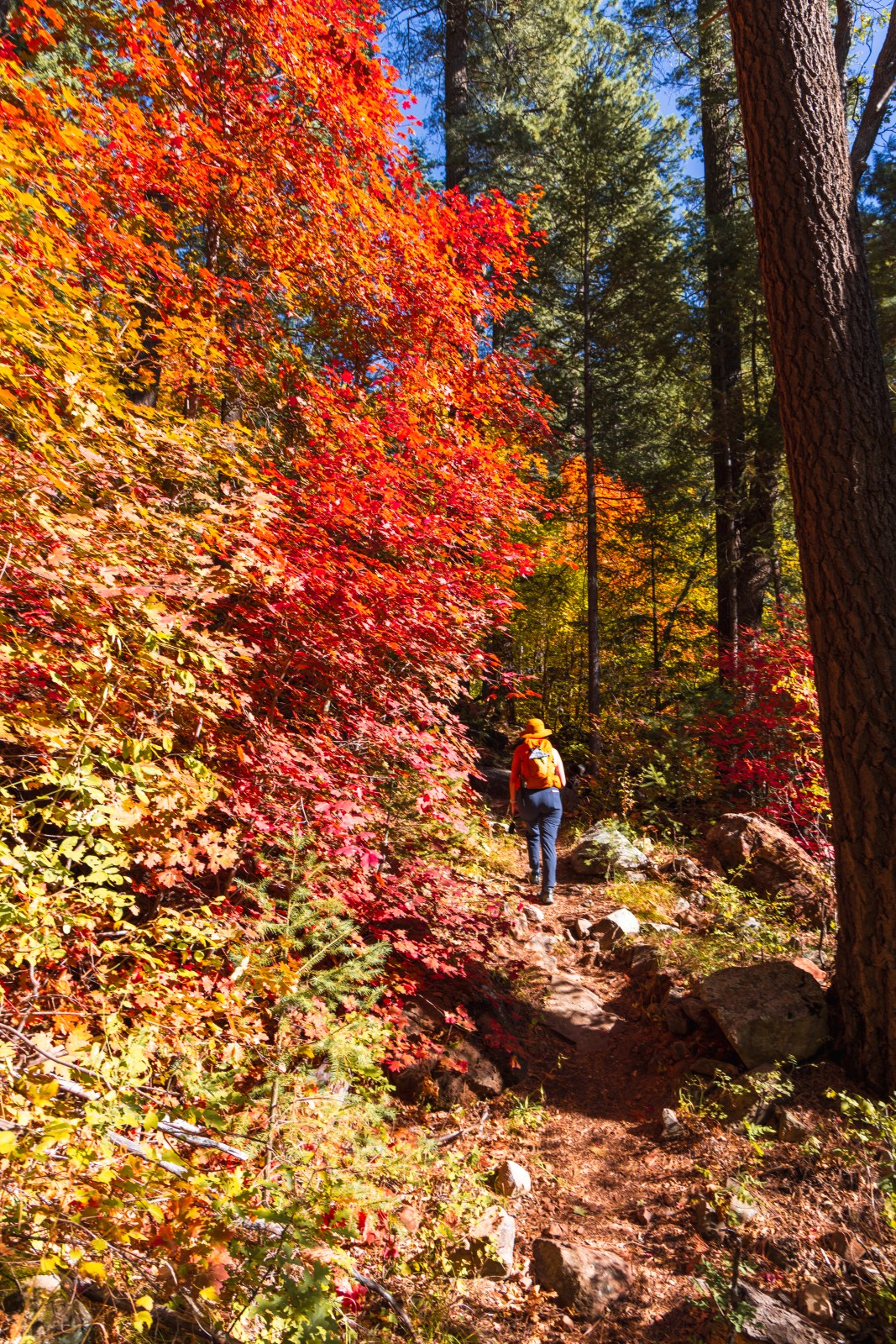
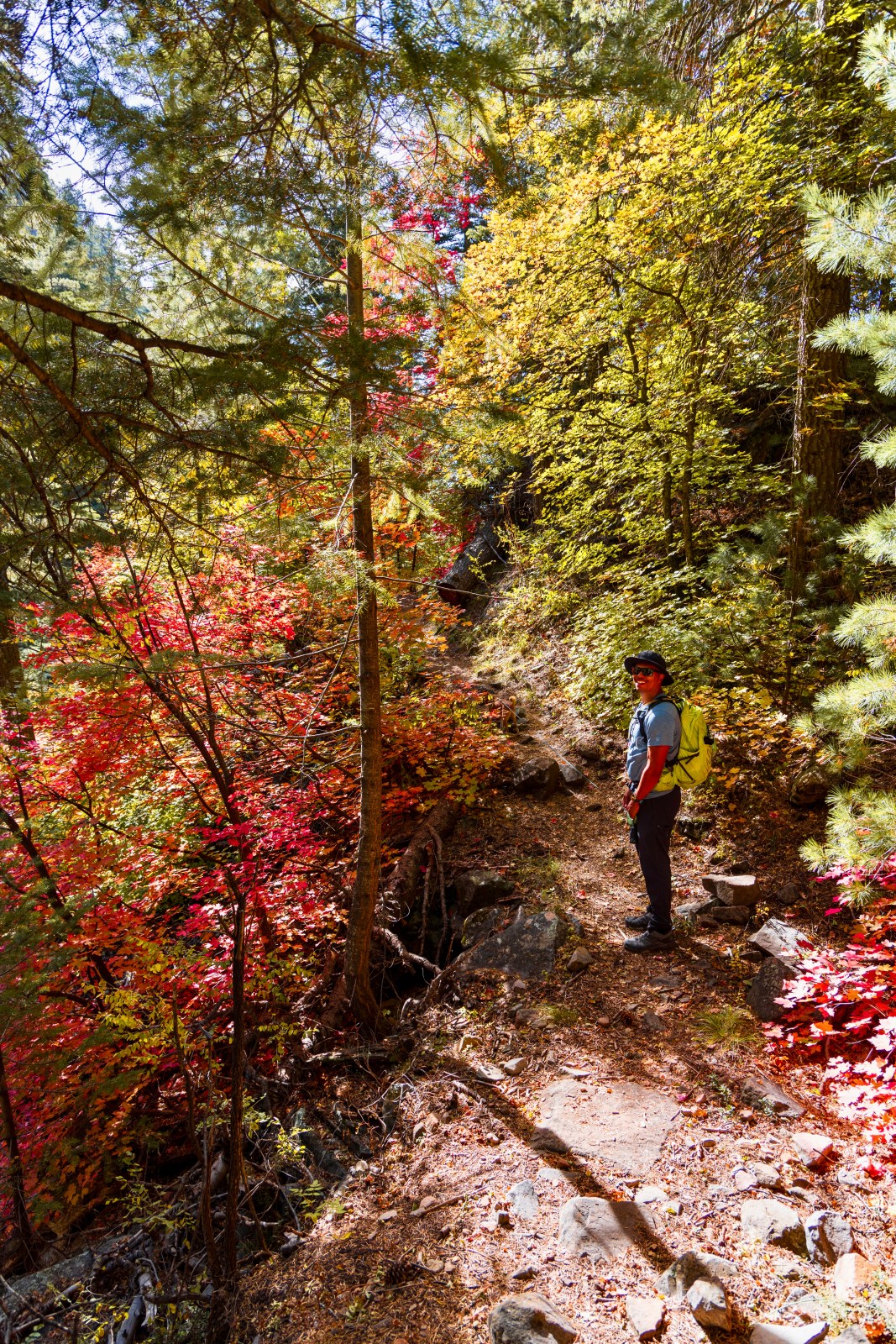
After this point we were consistently seeing fall colors. It was a beautiful combination of yellows, oranges, and reds. the trail hugs the creek for a bit before crossing again and climbing in elevation. This section of the trail was the most rugged with lots of boulders and large step ups. Watch your footing! The canyon walls continue to close in as the trail gains elevation. During our trip the creek was mostly dry as we climbed, but it was clear where the creek runs and where it was quite powerful.
The trail follows the western wall of the canyon for a bit before eventually turning right near the top of the rim. As the trail stays along the canyon wall, it also gains a steeper elevation grade and when you think you’re getting to a flat part, it feels like a mirage because the trail keeps climbing. After we started to lose sight of the fall colors, about 2.8 miles from the trailhead, we decided to turn around. This was a rare decision for us not to finish. But in full transparency, Lauren has been dealing with patellar tendonitis in her knee and Owen was quite sore from the gym that week. However, Finnick was thriving and could have easily kept going.


Instagram Reel
Related Posts

Arizona Fall Colors: When and Where to See Them
Arizona’s fall colors are a must-see, especially the stunning aspens and maples. These trees are connected, making them vulnerable to disease, so it’s crucial to practice Leave No Trace. Fall colors peak from late September in the north to early December in the south, adding vibrant hues to Arizona’s diverse landscapes.