Hiking Essentials: Our 10 Must-Have Gear Picks for Every Hike
The Ten Hiking Essentials
Outdoor exploration comes with risks, especially when venturing into remote or rugged areas. That’s why we always carry the ten hiking essentials to stay safe and prepared. While not every situation can be predicted, we can reduce many risks by planning ahead and packing the right gear.
Following Leave No Trace Principle Number 1, Plan Ahead and Prepare, we always bring these hiking essentials on every adventure. They give us peace of mind, help us handle a variety of situations, and make us feel ready to explore the outdoors safely.
Table of Contents
1. Navigation Tools
Knowing where you are at all times is one of the most important hiking essentials and is critical for safety. Before heading out, we always download the trail map on AllTrails. We use the paid version and highly recommend it since the download includes the surrounding area as well.
In addition to digital maps, we also bring paper maps for National Forests and National Parks, and we keep a compass in our packs. We always carry our Garmin Satellite Communicator and SOS Device for emergencies or to update our family on our location when we do not have cell service.
Smartphones and smartwatches are also great navigation and safety tools, but they only help if you start with a full charge. We use Apple iPhones and Apple Watches, both equipped with built in GPS, compasses, and altimeters. An altimeter is especially useful for knowing your elevation, and newer versions of the Apple Watch even have a track back feature for remote hikes. If you are interested in a smart watch, you can check out our blog post comparing Apple Watches and Garmin watches here.
Maps we use:
We rely on the Arizona Topographic Map to plan our trips and keep a copy in the car for off road adventures. This map is detailed enough for hiking, camping, and backcountry exploration.
We also use Forest Service Maps for National Forest areas. These maps are especially helpful for locating trailheads, understanding road access, and navigating remote regions where cell service is not available.
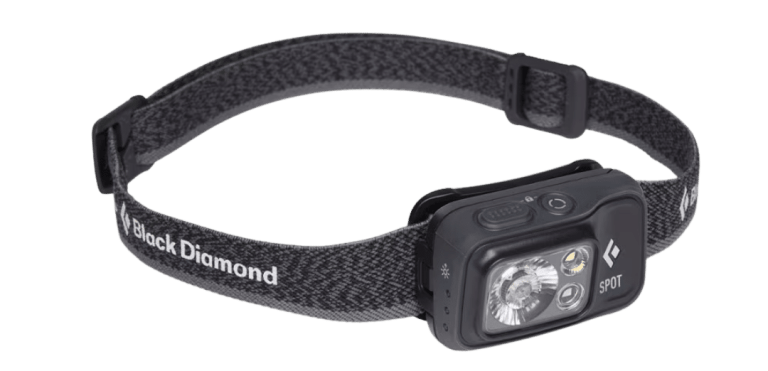
Being able to see at night on the trail is essential for safety. We always pack our headlamps, even for short day hikes, because you never know when a situation might keep you out later than planned. We also carry spare batteries, since a headlamp without power will not be of any use when you need it most.
We use the Black Diamond Spot 400 Headlamp from REI. It is bright, reliable, and has multiple lighting modes, making it a great choice for both day hikers and backpackers.
Black Diamond Headlamp
3. Sun Protection
Sun protection is a critical hiking essential, especially in sunny and high-exposure areas like Arizona. It not only prevents dangerous sunburn but can also help you stay cooler on the trail. Many types of outdoor apparel with built in sun protection are designed to keep skin cooler, which reduces sweating and water loss. Without proper protection, heat can become mentally exhausting, leading to faster fatigue, quicker water consumption, and eventual dehydration.
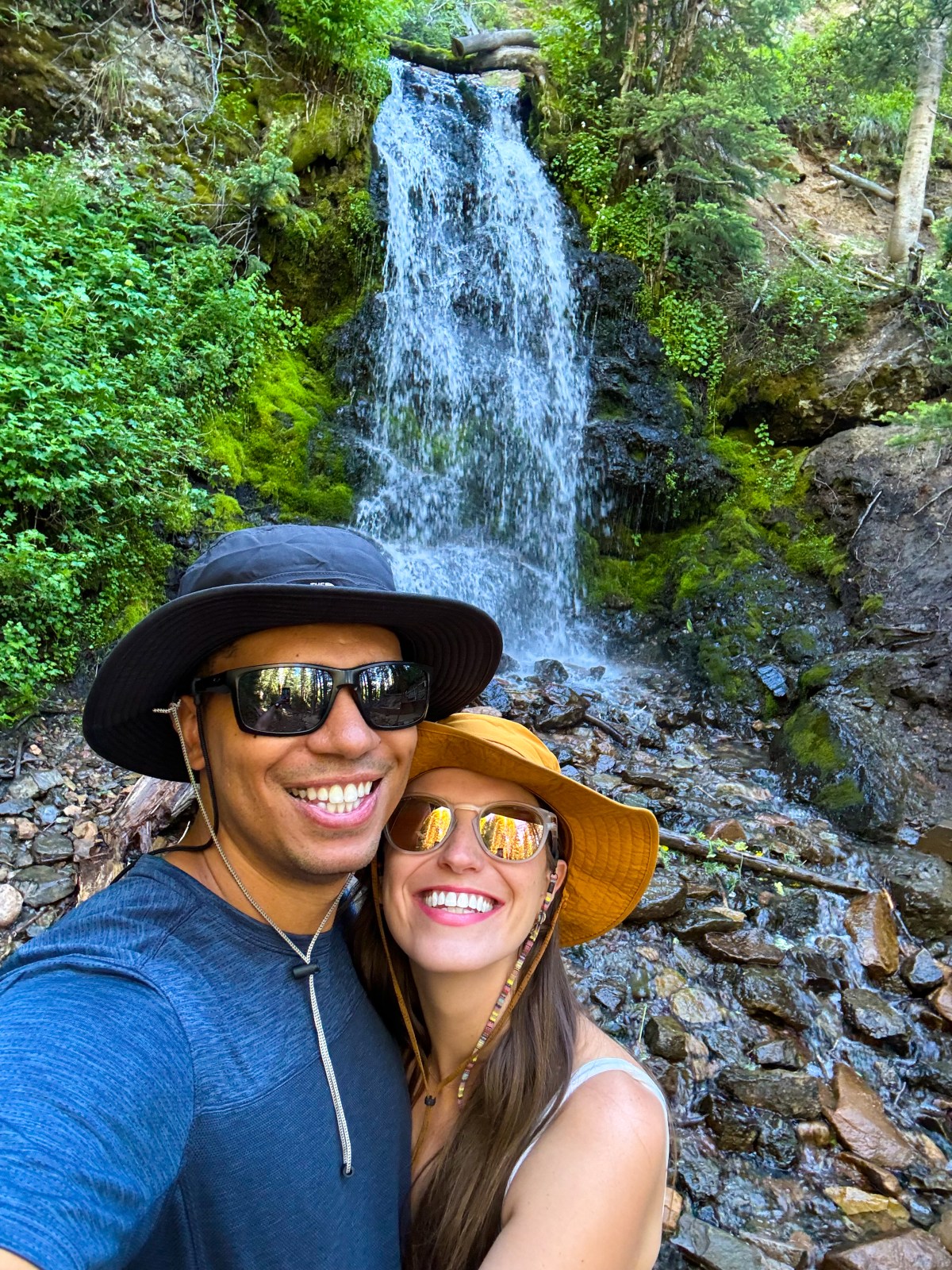
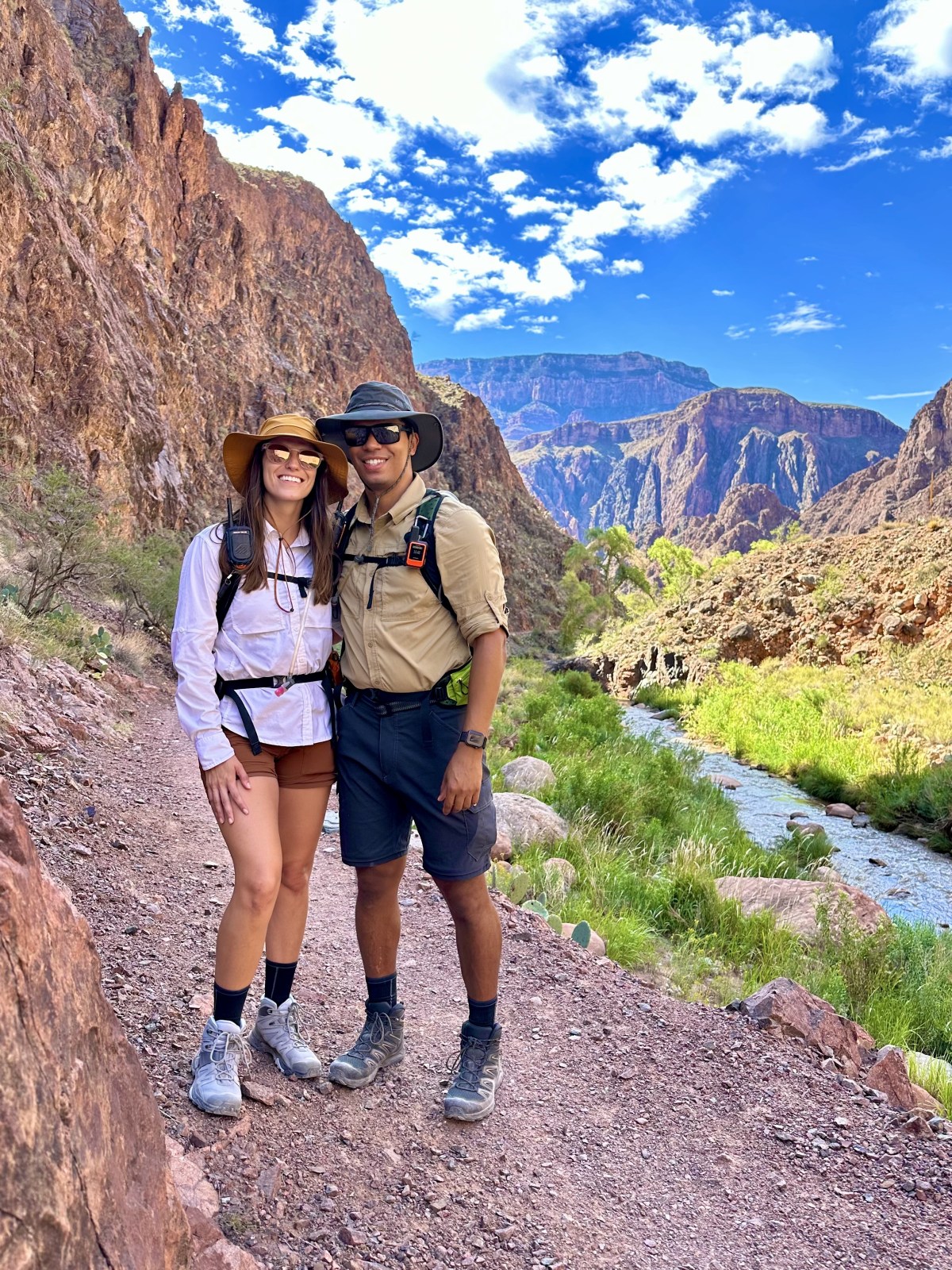
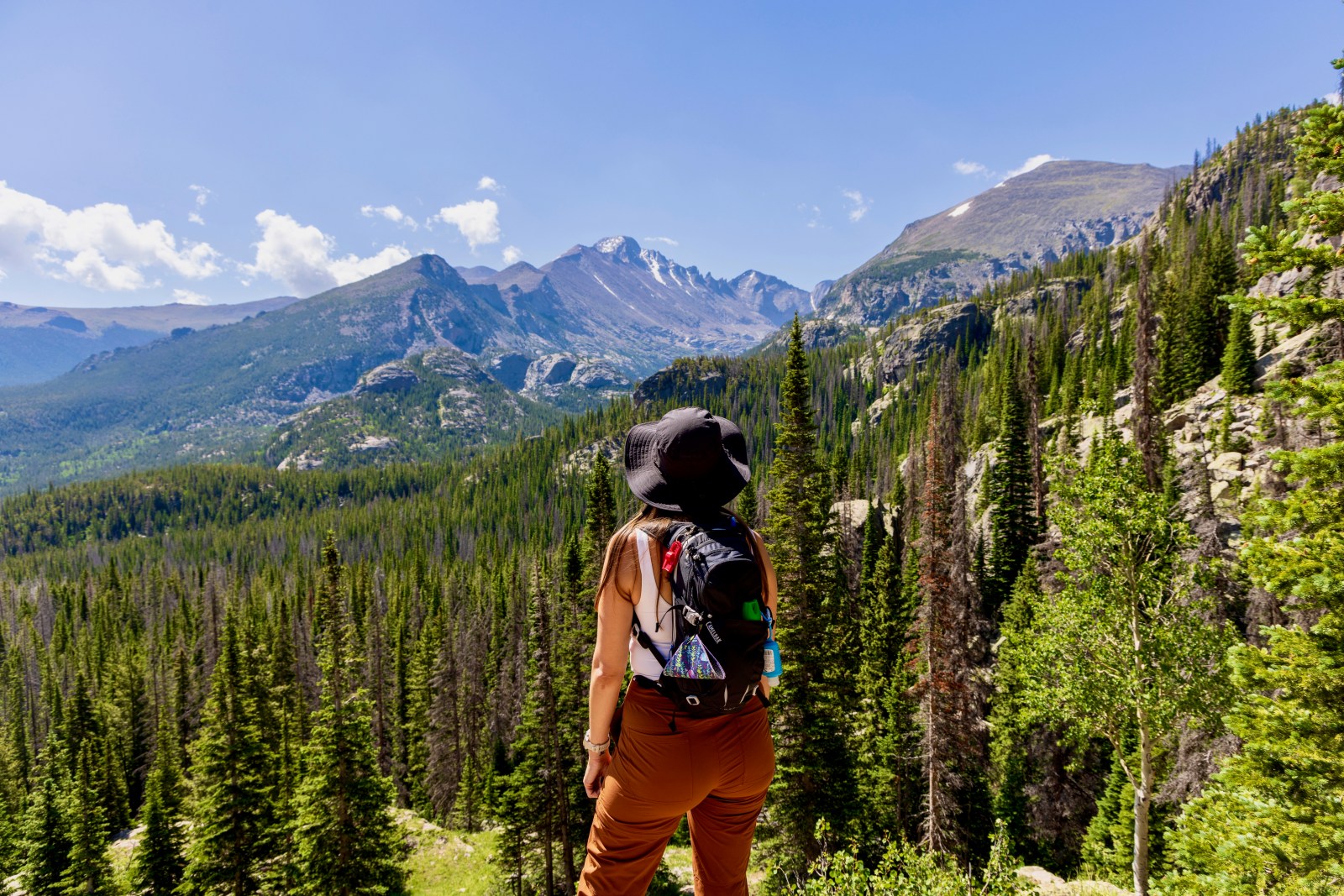
We apply sunscreen to our face and any exposed skin before every hike. We also wear Oakley sunglasses and full brim hats to shield our faces from direct sunlight. Whenever possible, we choose clothing with built in UPF protection. On long days in the sun, we often wear long sleeve sun shirts that keep us cool while blocking harmful UV rays.
Sunglasses
Investing in a quality pair of sunglasses can feel like a big decision, but we love the durability and performance of Oakley. Polarized lenses help reduce intense glare, making it easier to see in bright conditions. The Prizm™ technology is designed to enhance contrast and color so you can see more detail on the trail.
Owen's Oakley Sunglasses
Lauren's Oakley Sunglasses
Hat
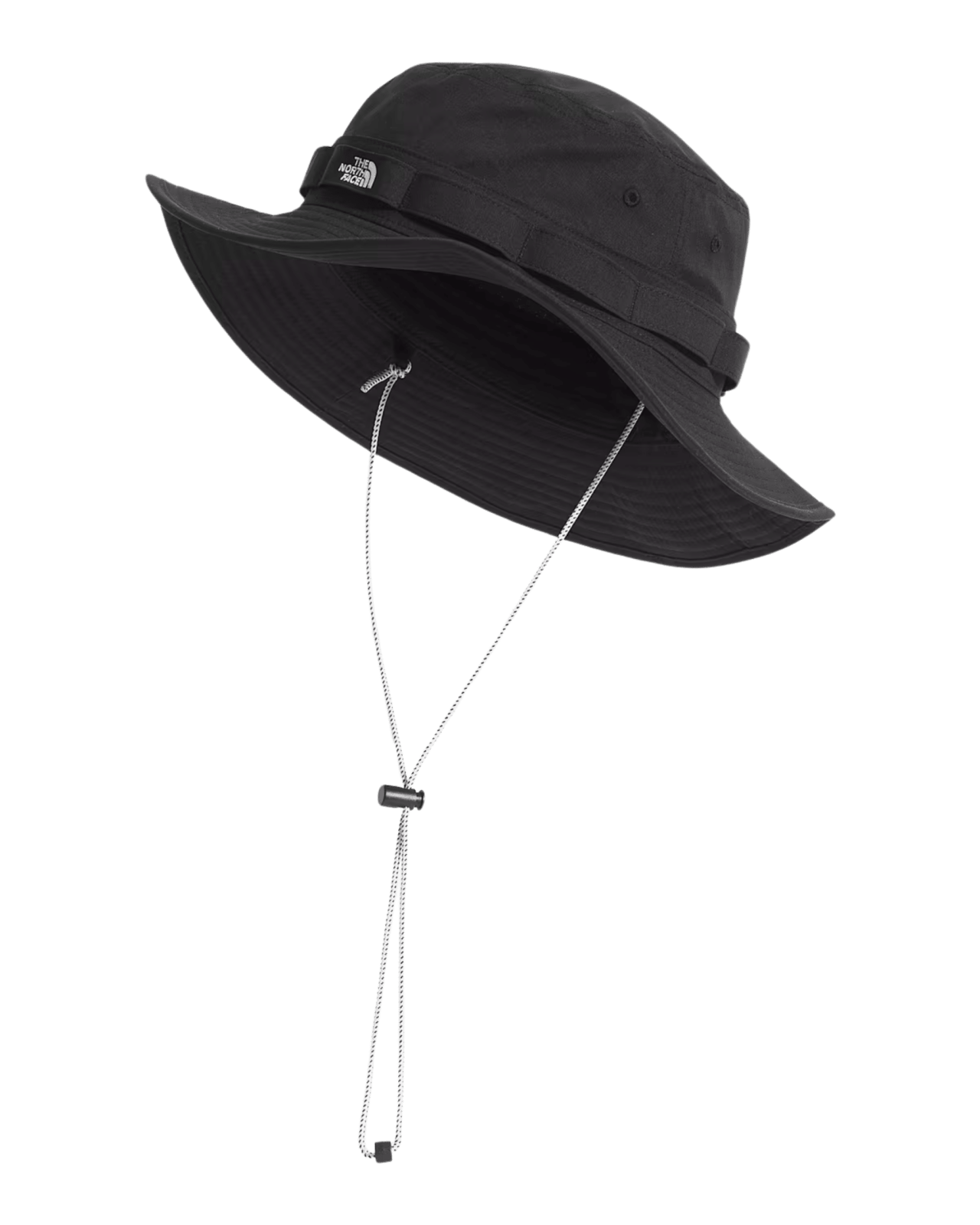
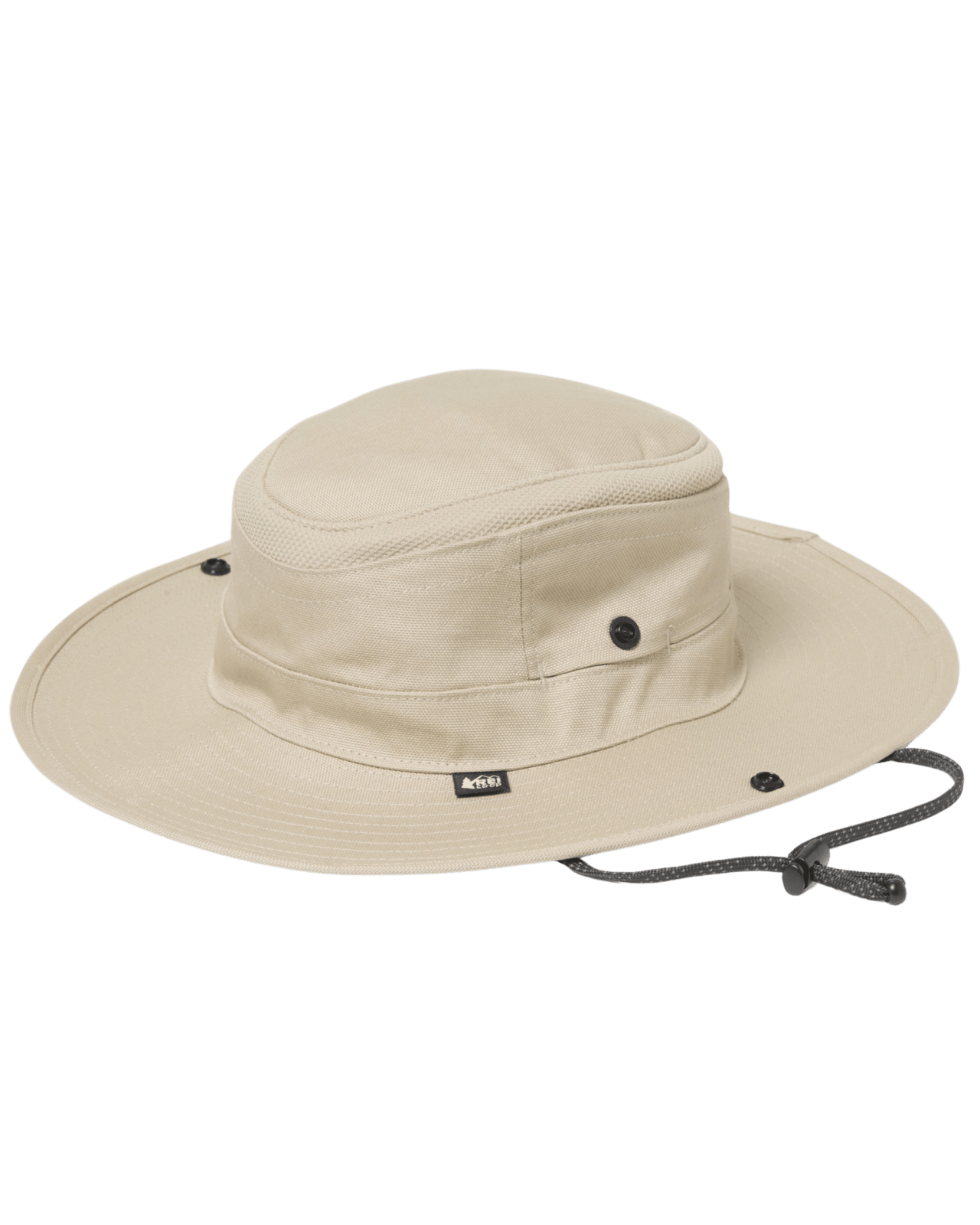
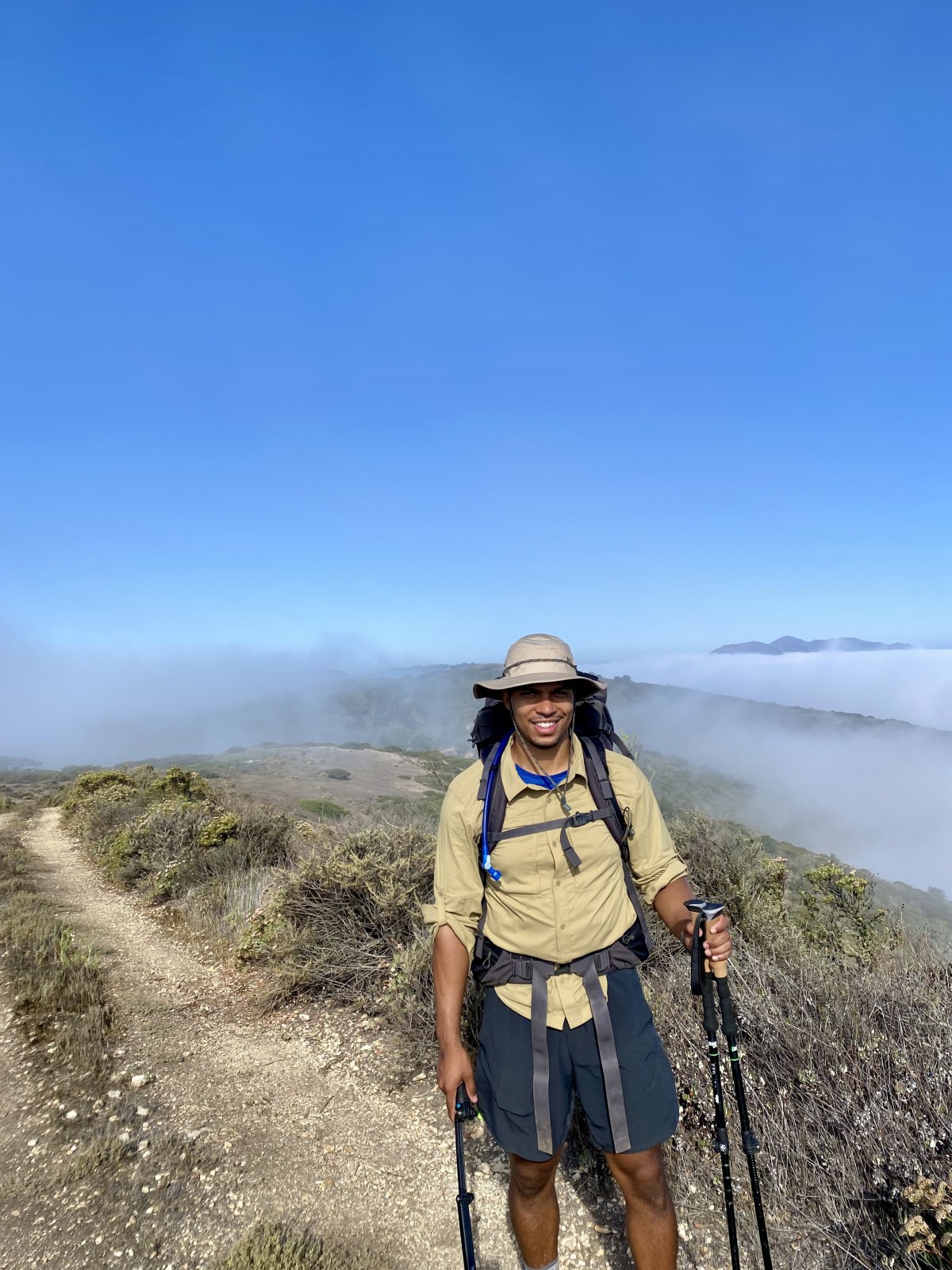
We always hike with bucket hats for added sun protection. The exact style we own is no longer available, but there are many similar options on REI’s website. We recommend choosing a hat with a chin strap or string, which helps keep it secure in windy conditions and prevents it from flying away.
We both love the REI Sahara Long Sleeve shirts and often wear them for sun protection. REI offers many different options for sun shirts, but these are our favorites:
In recent years, we have also become big fans of sun hoodies. They provide the same UPF protection as long sleeve shirts but with the added benefit of a hood to shield your neck, ears, and head from direct sunlight. Sun hoodies are lightweight, breathable, and perfect for long days on exposed trails.
We always carry a first aid kit designed for two people, whether we are on a day hike or a short overnight trip. If your group is larger, it is smart to bring a bigger kit or multiple smaller kits. We also learned the importance of using a waterproof first aid kit after hiking in the rain without waterproof bags — unfortunately, much of the gear in our old kit was ruined.
For longer day hikes or overnight trips, we pack extra blister care items just in case. It is also a good idea to include bug spray, especially during warm months or in buggy areas.
We always carry a pocket knife, and over the last year we have also started bringing a multi-tool. Knives are useful for a variety of purposes on the trail, from cutting rope to preparing food. Most multi-tools also include a knife, though the blade is not always as long or strong as a dedicated pocket knife.
One unexpected use we have found for our multi-tool is using the pliers to remove cactus needles from our shoes. A good knife or multi-tool is worth the investment, and REI has a wide range of options at different price points.
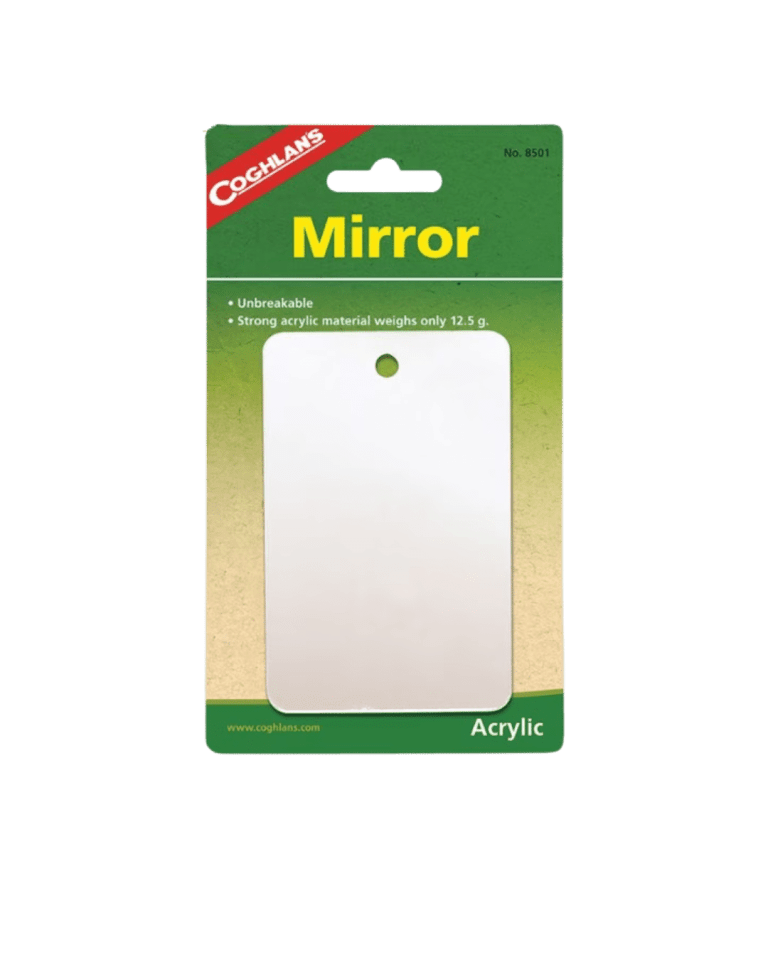
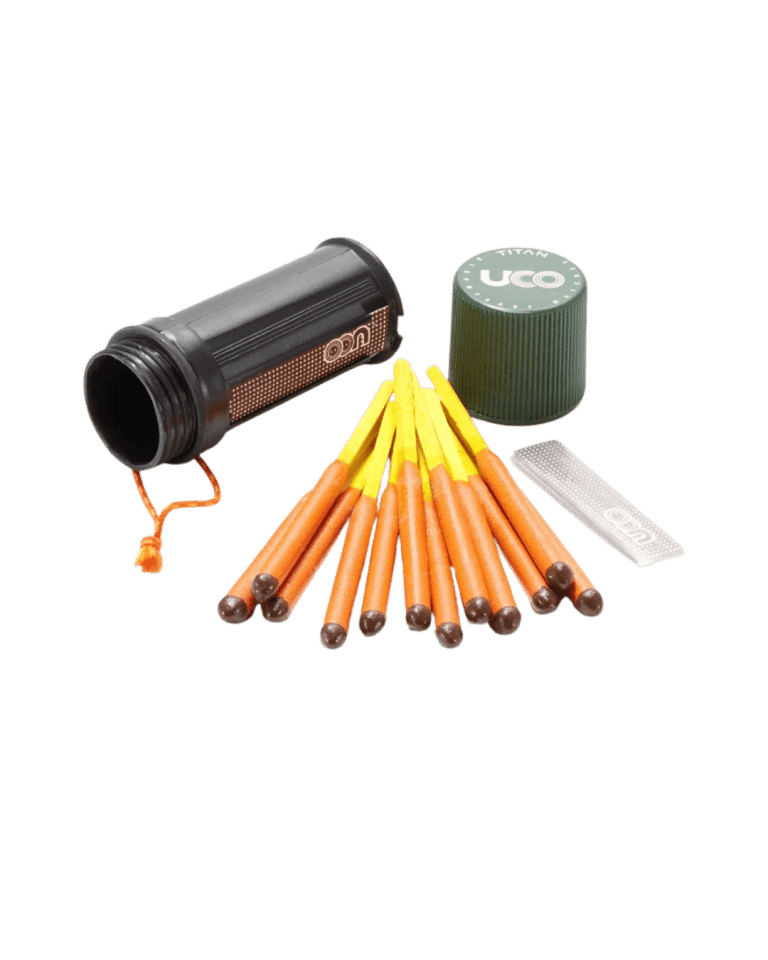
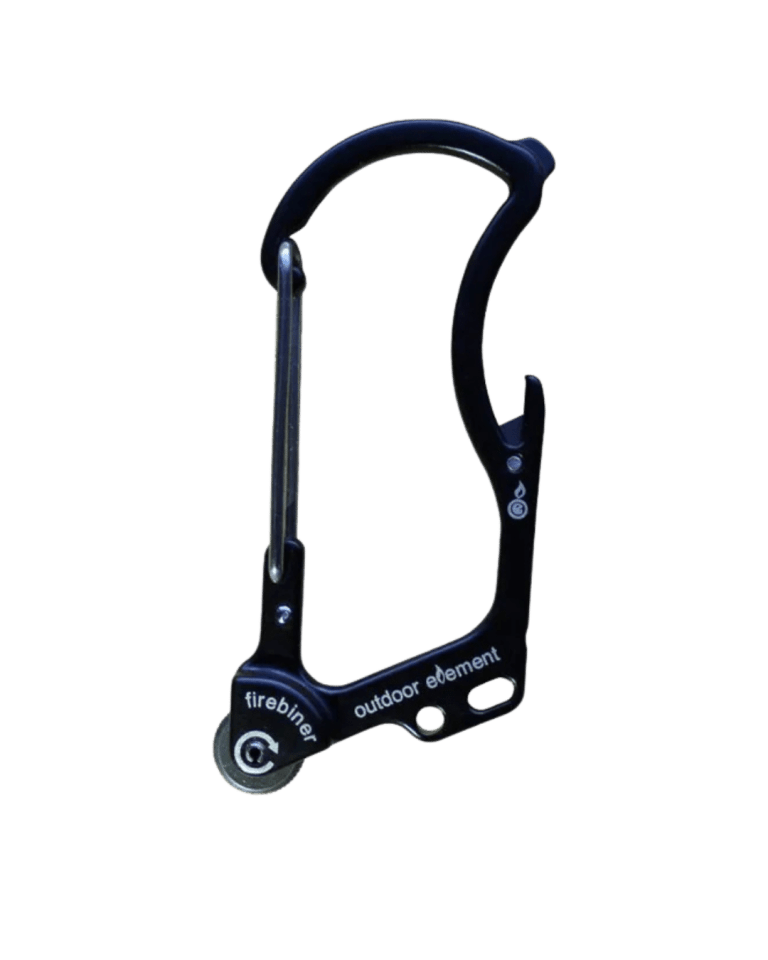
Hopefully these items are never needed, because if you do need them, it usually means something has gone wrong. Still, it is smart to carry a fire starter in case of emergencies. Options include weatherproof matches, a ferro rod, or a lighter. A reflective mirror can also be used to signal for help if you are lost or injured.
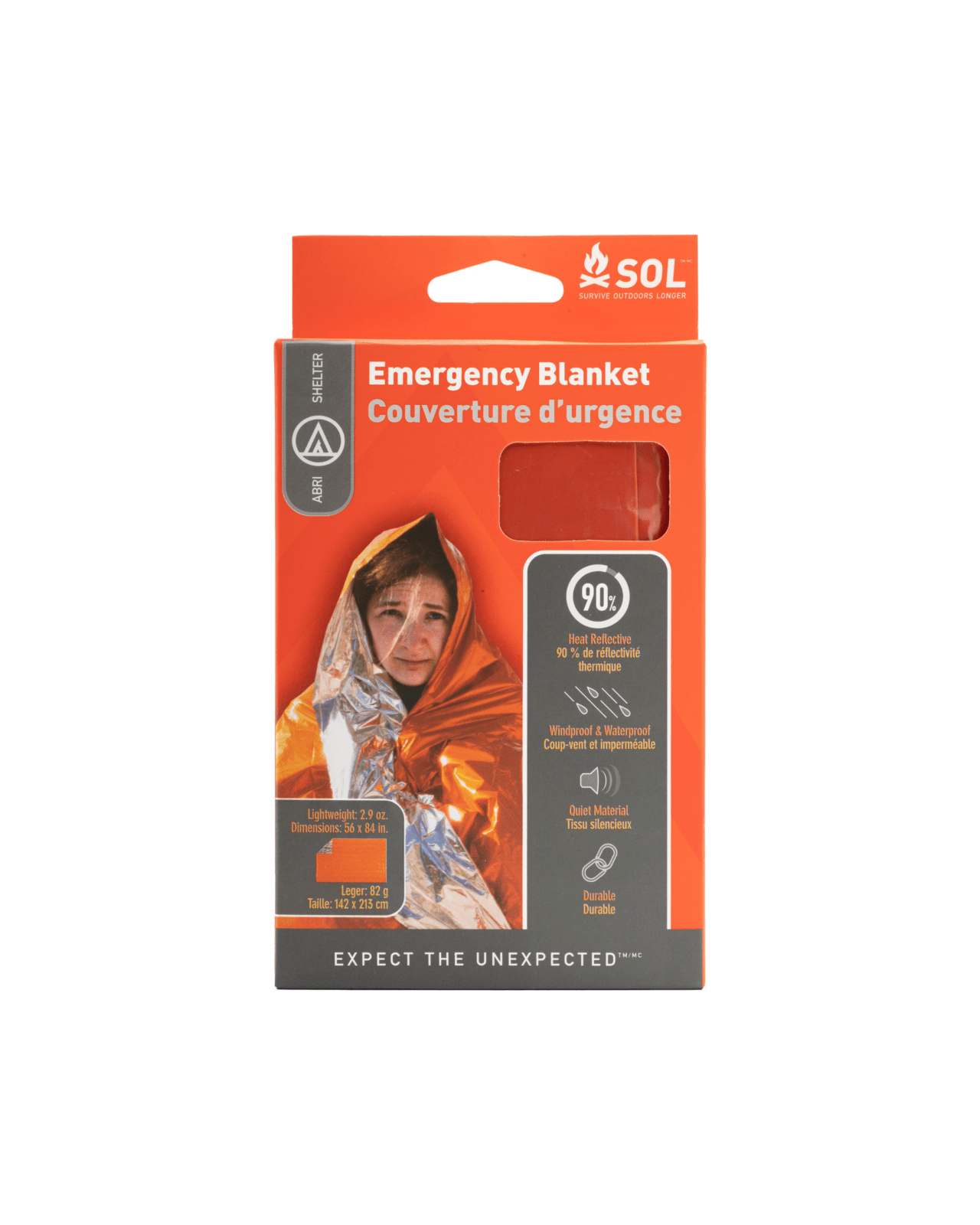
Hopefully this is another item you never have to use, but it is something you should always carry just in case. An emergency blanket is compact, lightweight, and can help a stranded hiker stay warm and survive longer while waiting for help. It is an inexpensive addition to your pack that can make a big difference in a serious situation.
Replacing calories with high energy and nutritious snacks is essential for keeping your energy up while hiking. We like to bring snacks that offer a quick source of sugar along with sustained energy to keep us going.
It might seem like a no-brainer, but carrying enough water is one of the most important hiking essentials. In fact, it could easily be higher on this list, especially here in Arizona where heat and sun exposure are major factors.
A good rule of thumb is to bring at least half a liter (16.9 oz) of water for every two miles in cool, shady conditions. If it is warmer and more exposed to the sun, double that amount and bring half a liter for every mile.
Weather can change quickly, especially at higher elevations or during certain times of the year. We both carry a packable, lightweight windbreaker jacket that helps when the temperature drops or the wind picks up.
We also bring an extra pair of socks in case we have a water crossing or encounter any other issue that leaves our feet wet. In colder climates, we add a thermal layer that is lightweight yet warm to help us stay comfortable on the trail.
We started The AZ Hikeaholics as a way to share our adventures with an audience that was interested. It soon grew into a community and we were all in! The more we learned about the history, geology, culture, biology etc, of the places we were exploring, the more we wanted to know.