The Green Desert
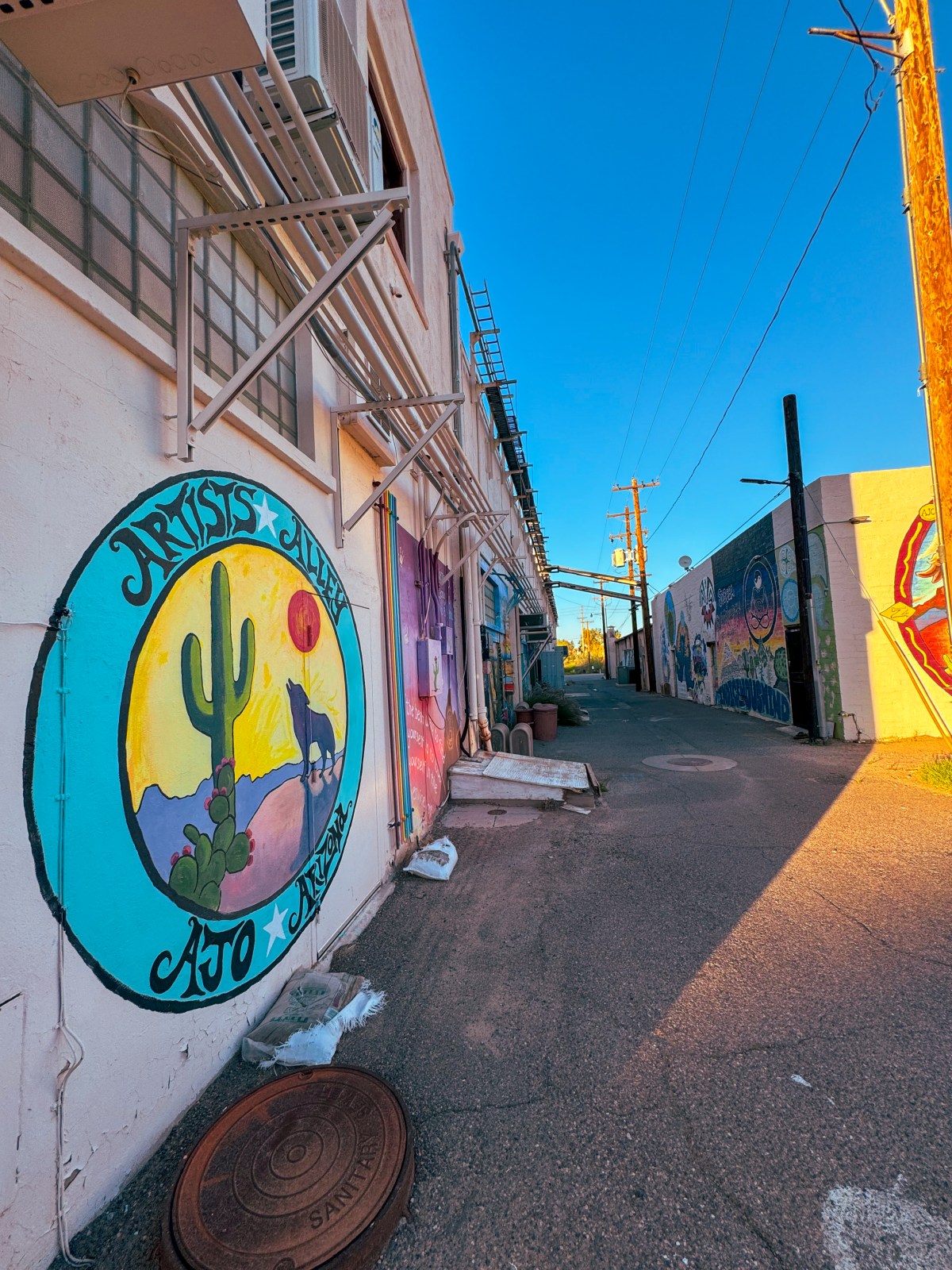
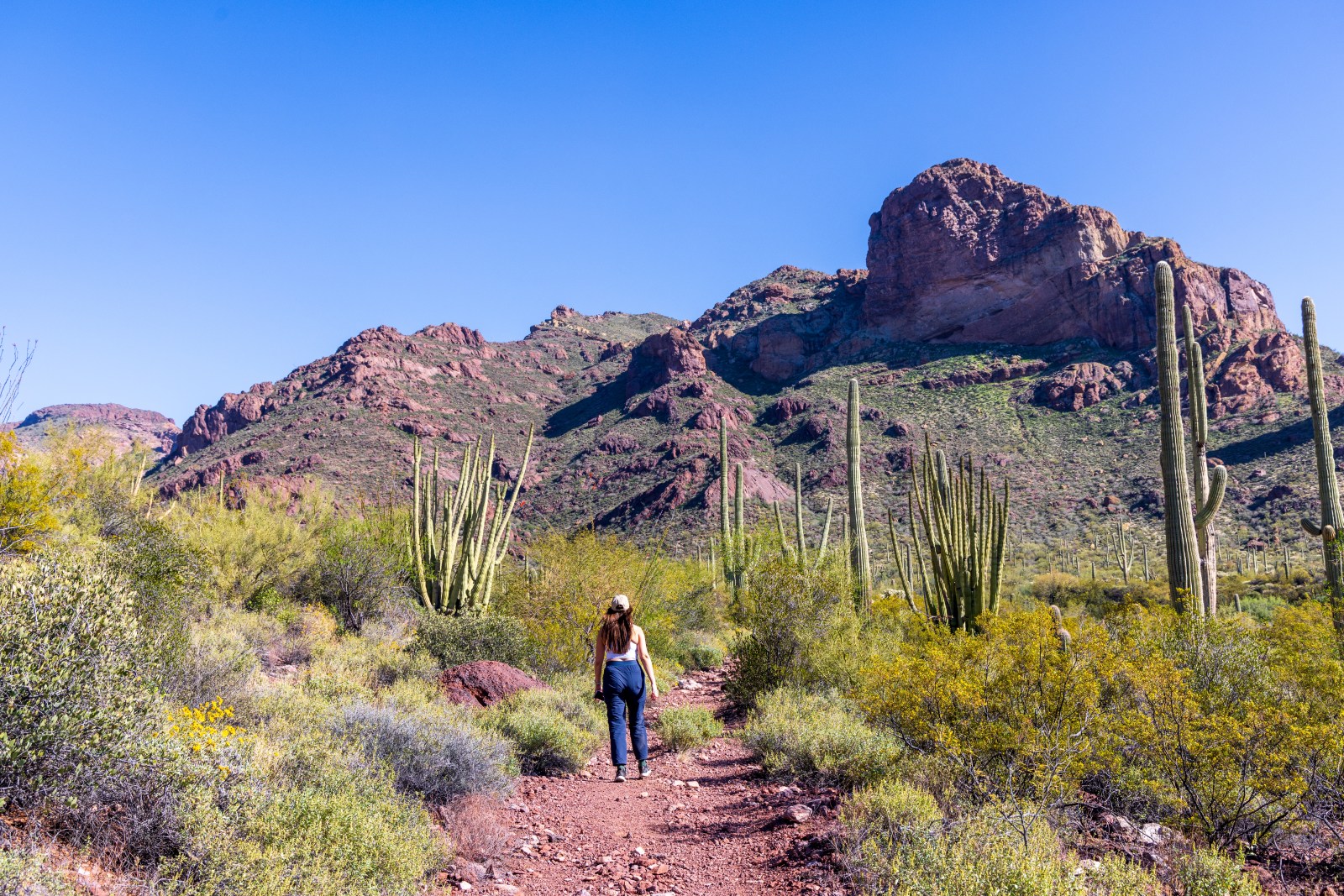
In southern Arizona near the border of Mexico is Ajo, Arizona. A quaint town with a lot of history, charm, and the gateway to Organ Pipe Cactus National Monument and Cabeza Prieta National Wildlife Refuge. Organ Pipe Cactus National Monument protects the vast majority of Organ Pipe Cactus that grow naturally in the United States Sonoran Desert. Cabeza Prieta National Wildlife Refuge protects desert bighorn sheep and the endangered desert pronghorn. Both parks have extensive wilderness to protect both the plants and animals that call the green Sonoran Desert home.
Phoenix to Ajo

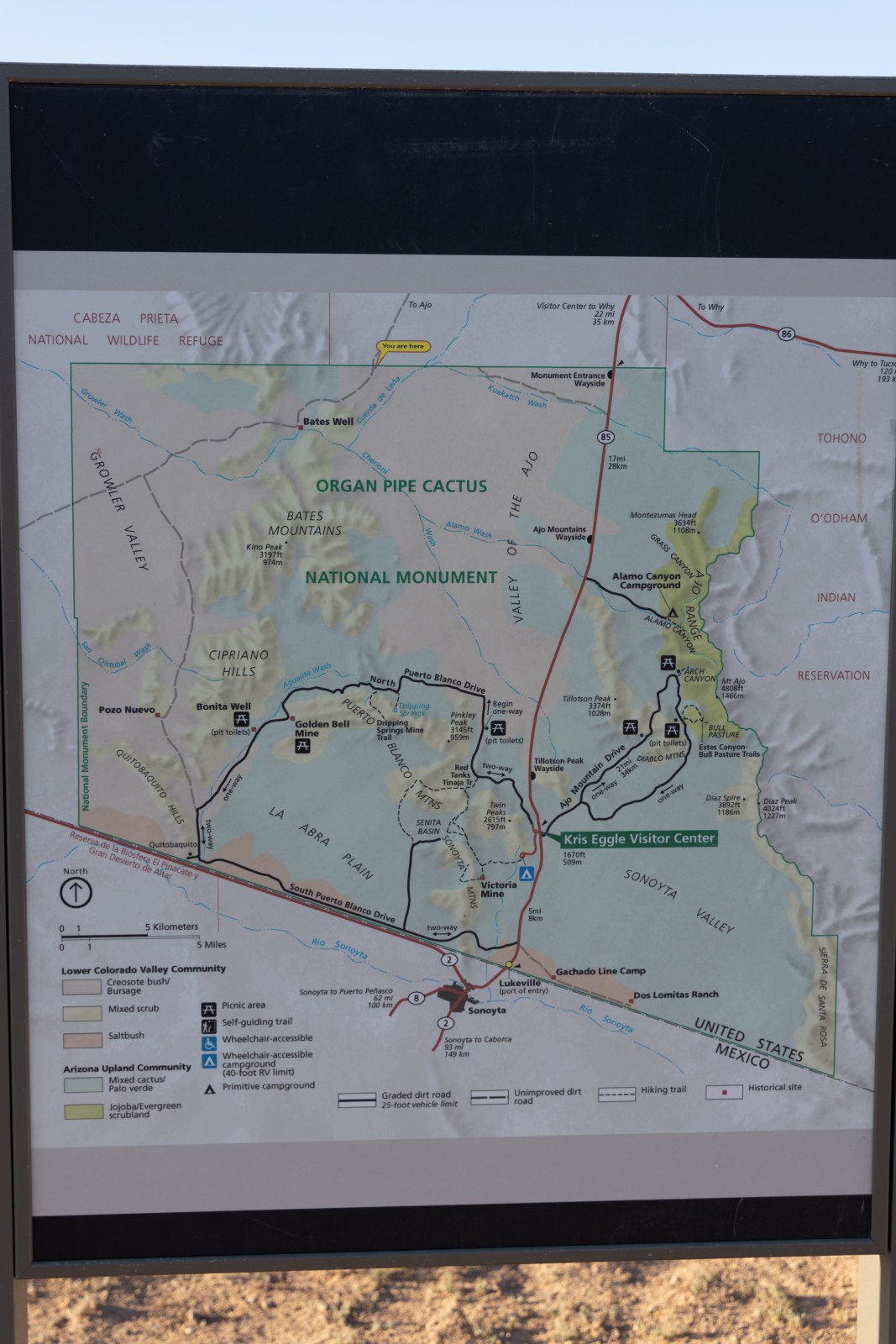
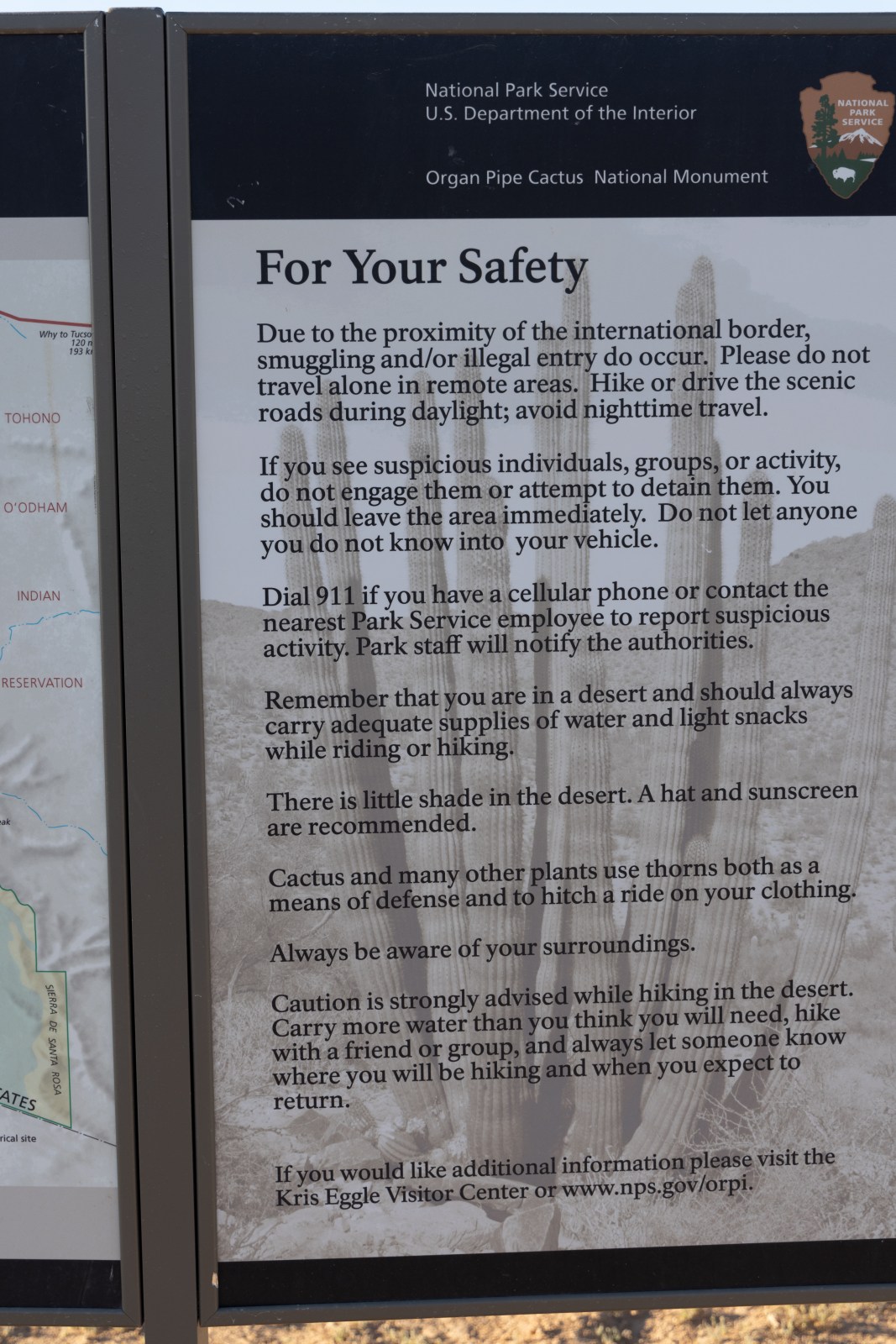
Organ Pipe Cactus National Monument
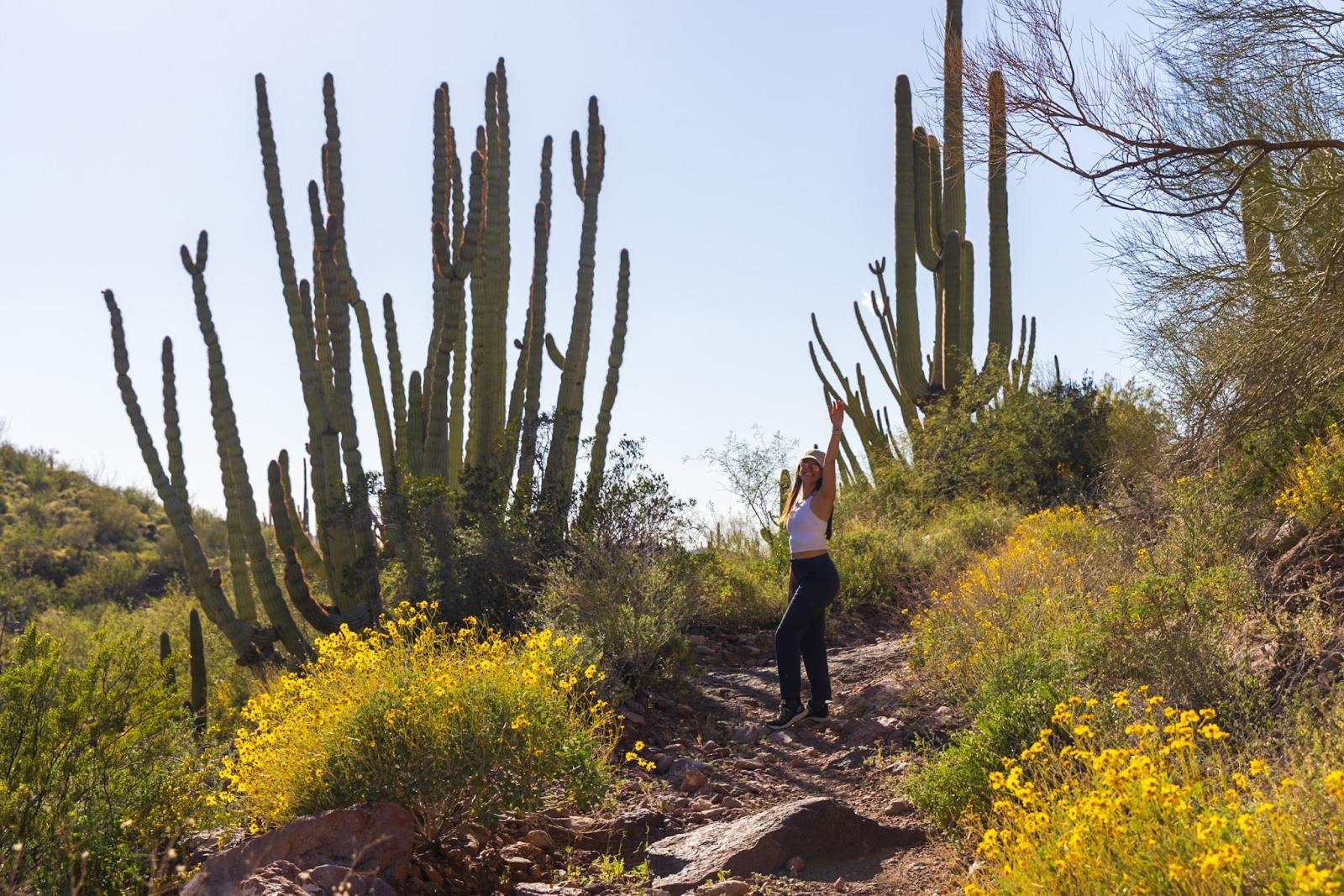
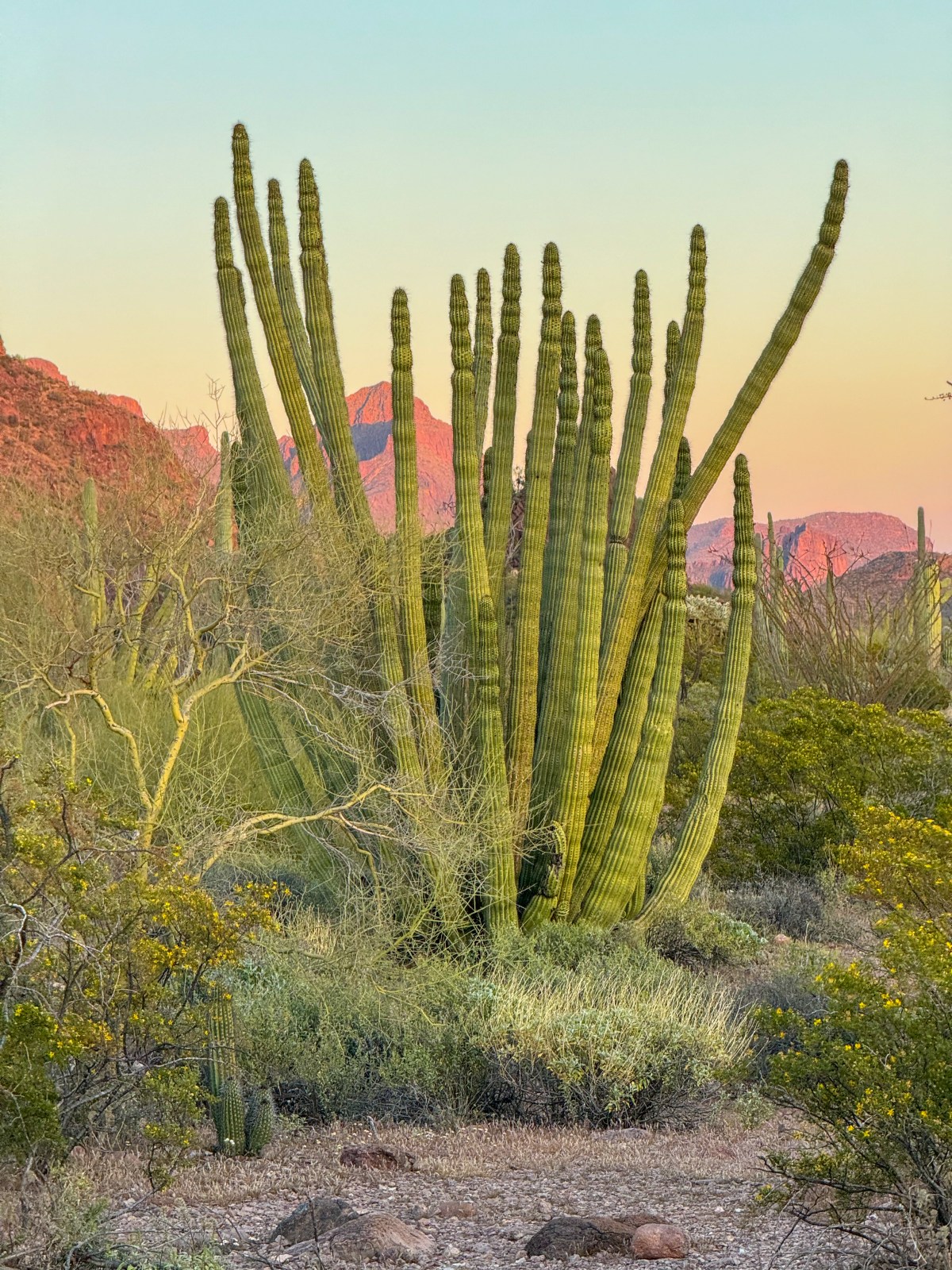
Organ Pipe Cactus National Monument is the only place in the United States where there are large stands of organ pipe cacti that grow naturally in the United States. There are so many interesting biological and climate factors at work. However, the organ pipe cactus loves the warmth and can be found on many of south-facing rocky slopes in the monument. This location is critical during the winter months when severe frosts can kill the entire cactus. In fact, you’ll see many of them seemingly growing out of rocks, they use the retained heat in the rocks to stay warm as the temperatures drop in the thin desert night air.
The organ pipe cactus can live to over 150 years and they don’t produce their first flower until they are nearly 35 years old. Furthermore, the organ pipe cactus only grows about 2.5 inches a year. Because of the slow growth, the first 10 years of life are absolutely critical for the organ pipe cactus. In its first decade of life when the cactus will be no bigger than a few inches, it is prone to being trampled by animals or being washed out by heavy monsoon storms. Unfortunately, very few organ pipe cacti survive until they grow their first stem at around 30 years old, but you wouldn’t know that when visiting the national monument, because they’re everywhere!
Need to know before visiting:
- Entrance fee: $25 for private vehicle or you can use an interagency pass. We used the America The Beautiful pass. Interested in where you can use the America The Beautiful pass? Check out our blog post on it
- There is no gate at the monument entrance; entrance fees are paid for at the visitor center
- There is no dispersed camping allowed anywhere in the monument
- There is limited to no cellphone service within the national monument. Wifi is available at the Kris Eggle Visitor Center, under NPS Visitor Wifi
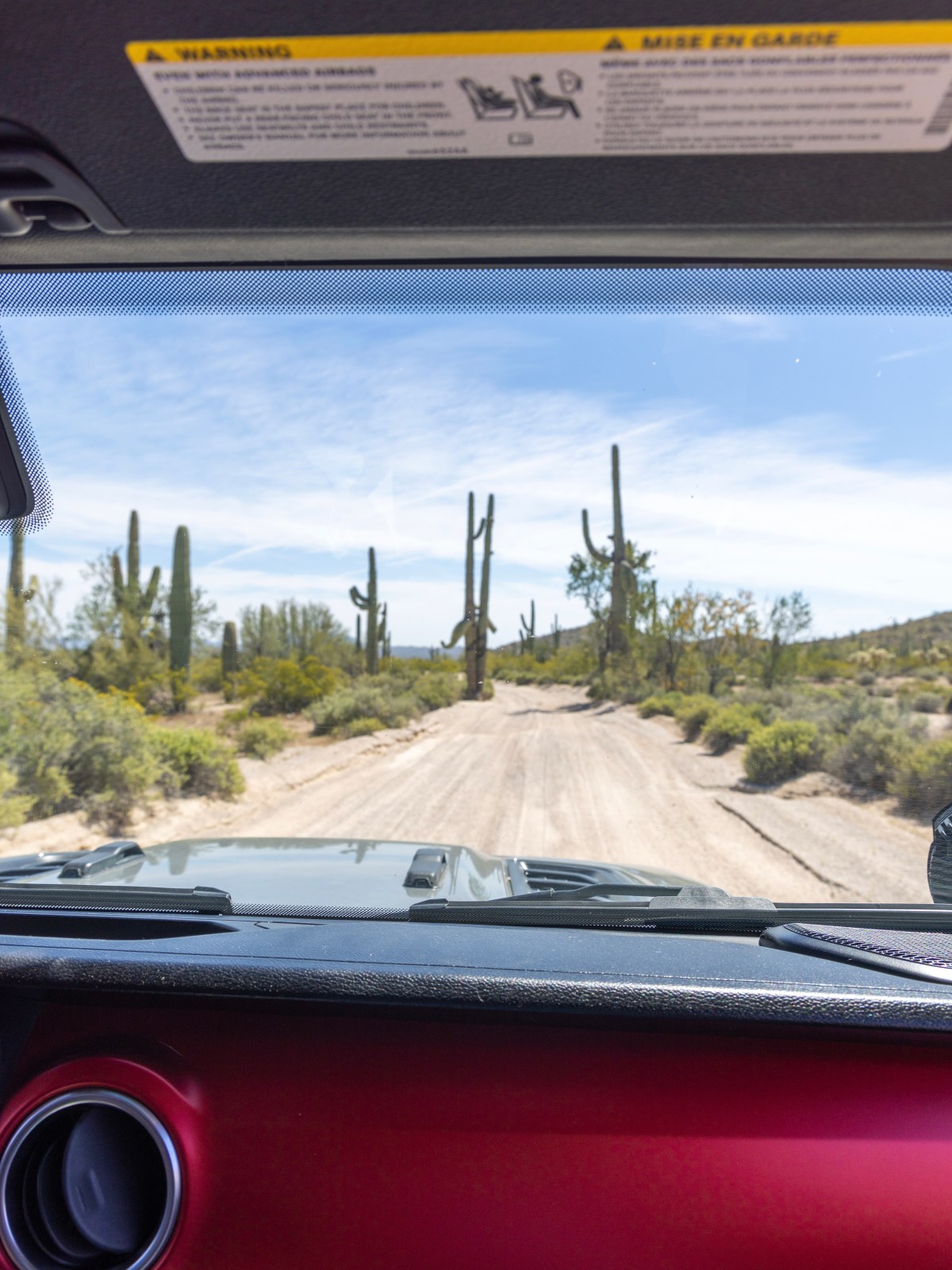
- Before heading out along one of the scenic drives make sure your car is capable. Many dirt roads within the park require AWD or 4WD
- For more information please visit Organ Pipe Cactus National Monument’s website.



Ajo Mountain Drive
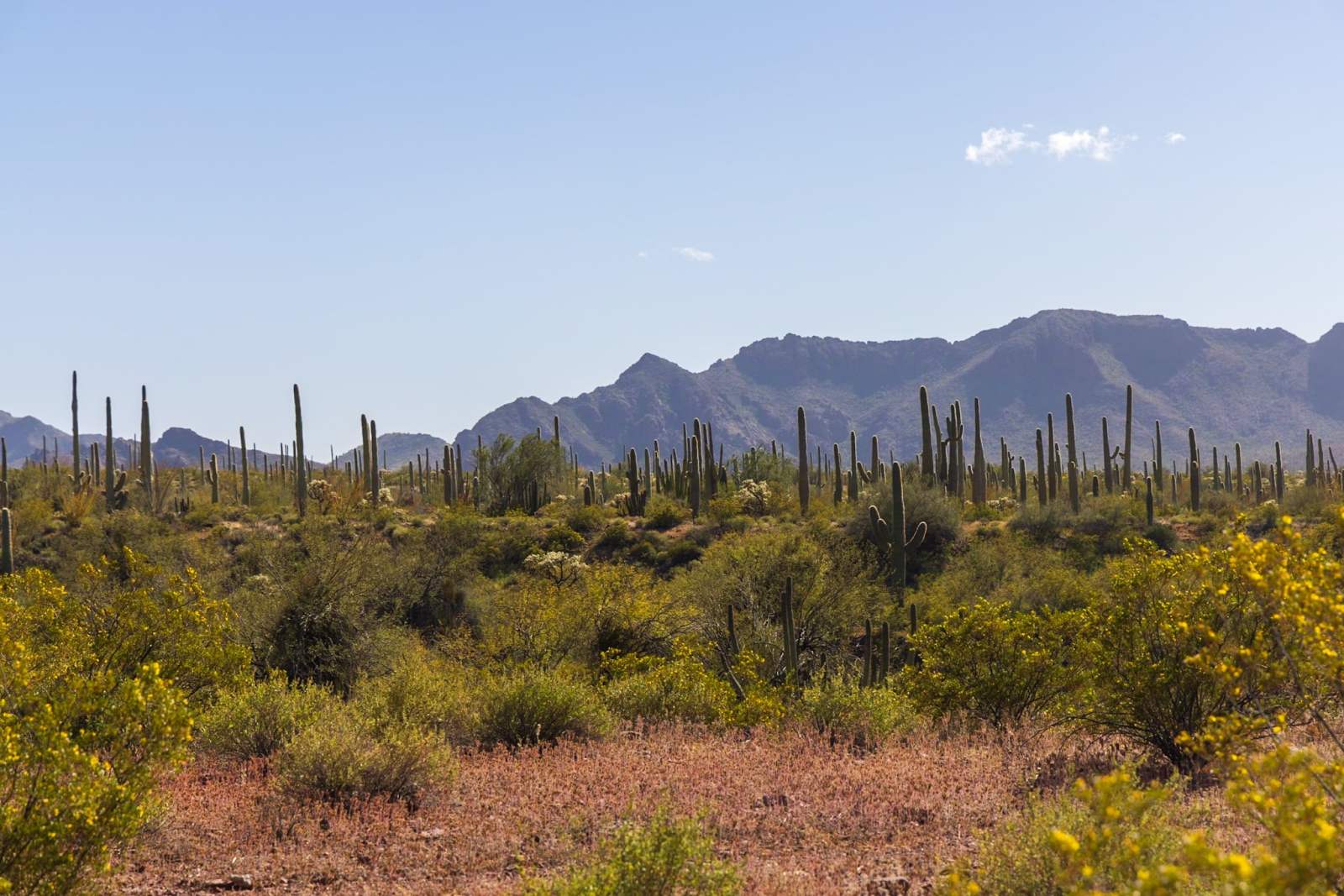
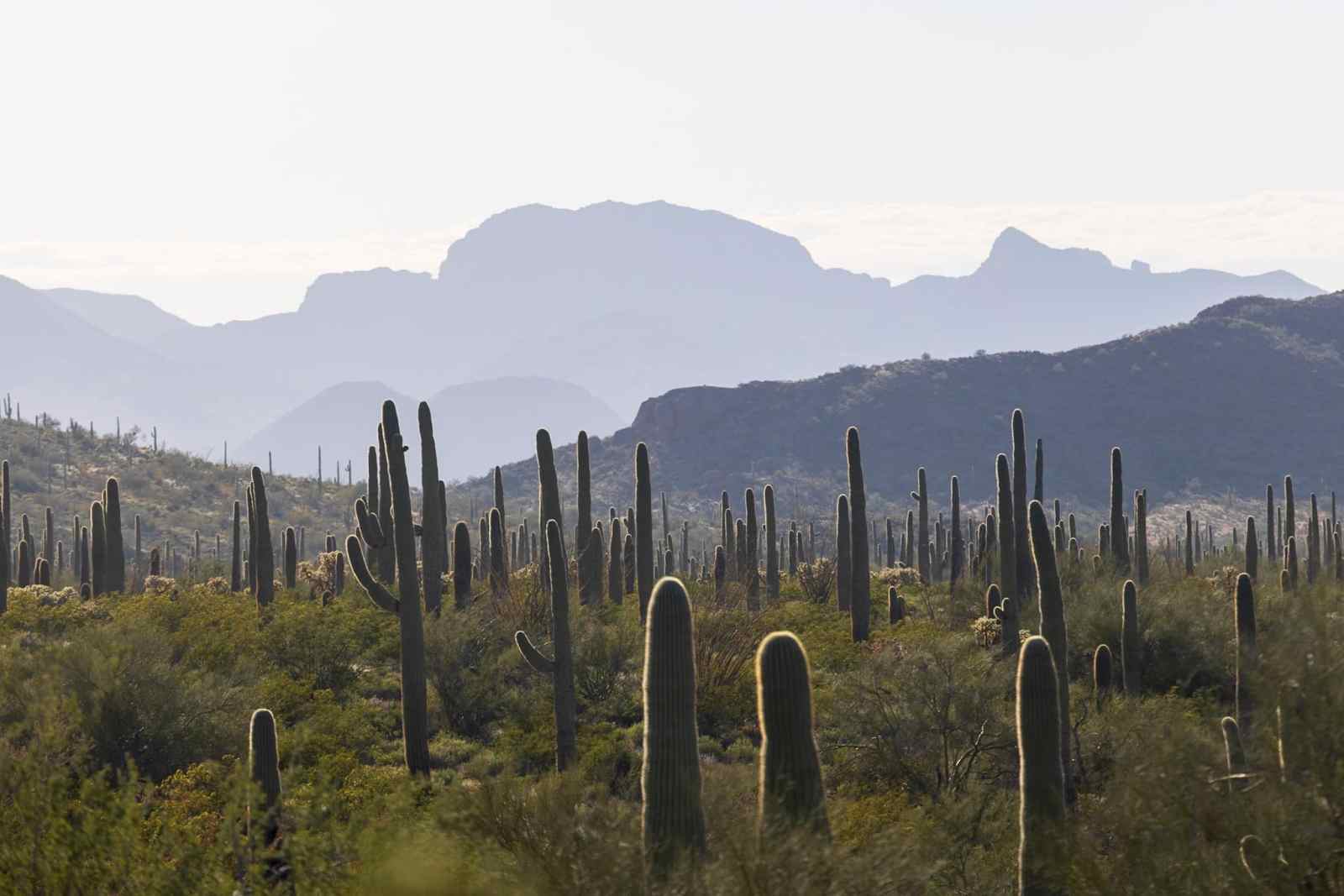
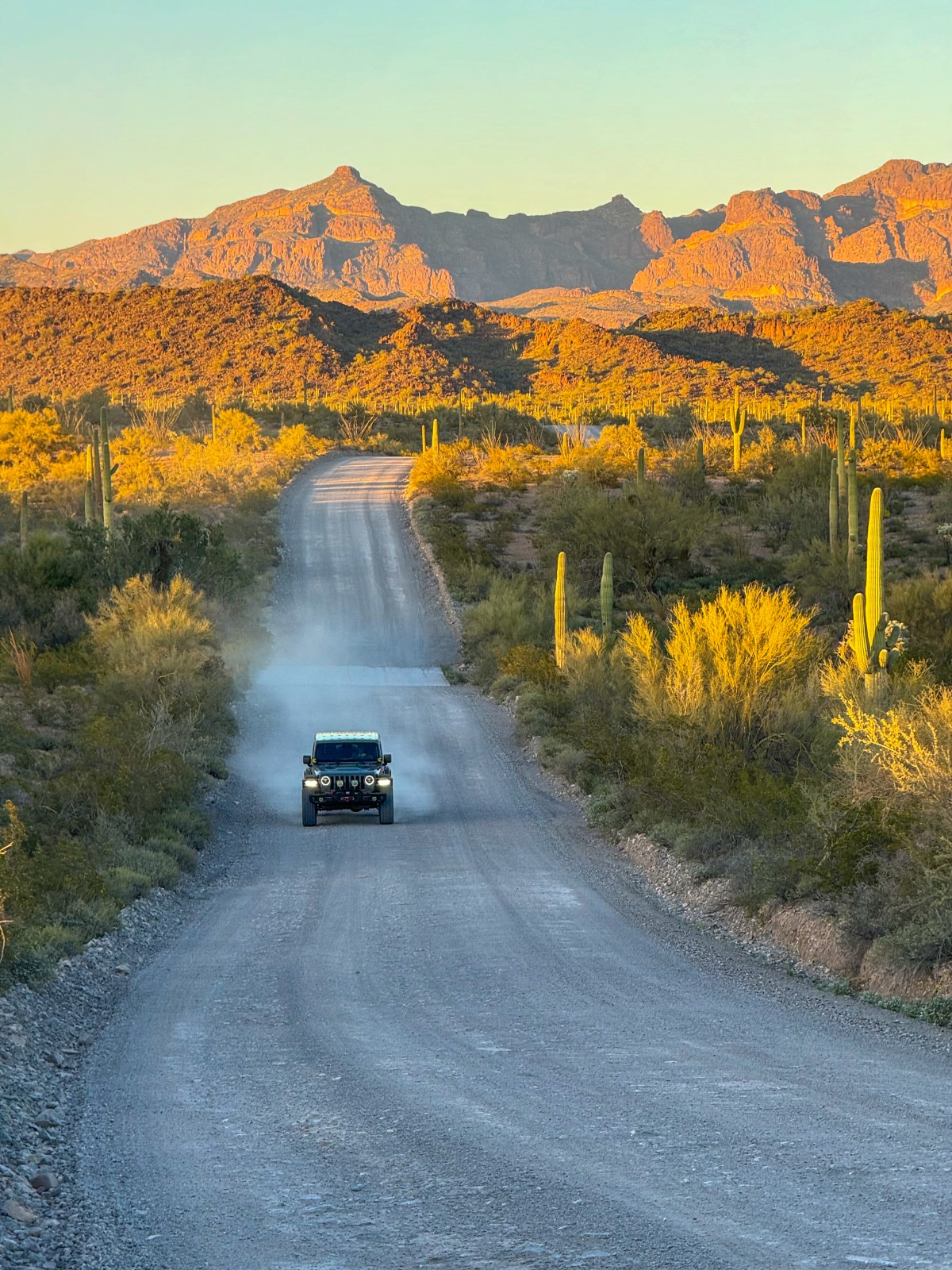
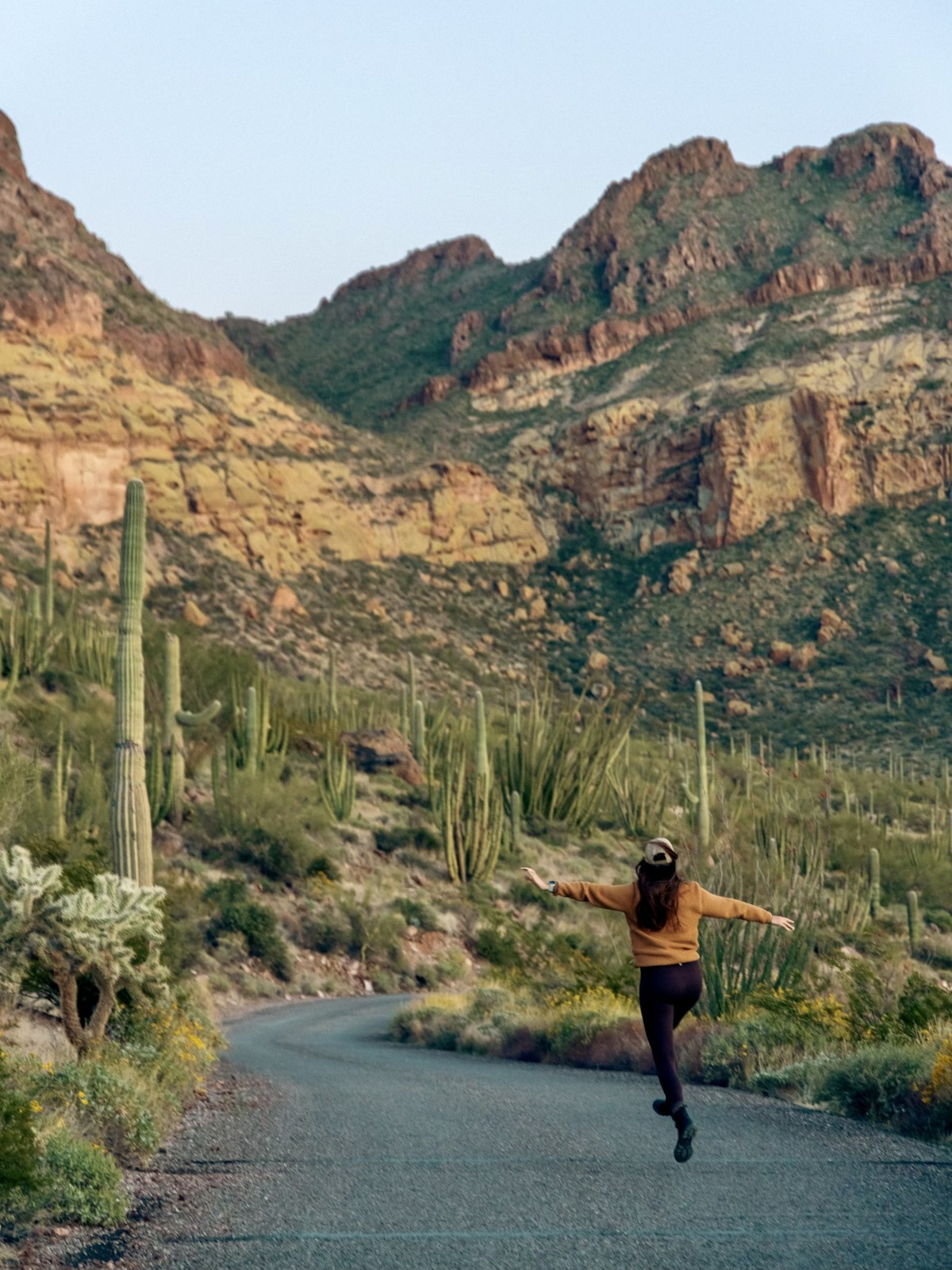
The most popular scenic drive in the monument, the Ajo Mountain Drive takes you through a great tour of the desert monument landscape. The road travels through desert washes and up into the Ajo Mountains with organ pipe cactus quickly filling the landscape as the road climbs. Overall, it is a 21-mile (34 km), one-way gravel and asphalt road that takes 1-2 hours to drive. According to the NPS, the road is usually passable by all vehicles and RVs under 25 feet; vehicles over 25 feet are prohibited due to the twisting and dipping nature of the road. There are viewpoints and hike to stop at along the way. Additionally, you can get a pamphlet from the visitor center that has brief descriptions at numbered stops throughout the drive.
We first drove this loop in 2021 where we hiked and ate lunch during our day trip to the National Monument. During our most recent trip, we drove this loop close to sunset and the glow on the mountains was beautiful as you can see in the photos below! Unfortunately, on our most recent visit the Sunday weather on our return to the park was not favorable for hiking, and we canceled our plans to hike the Bull Pasture Loop.


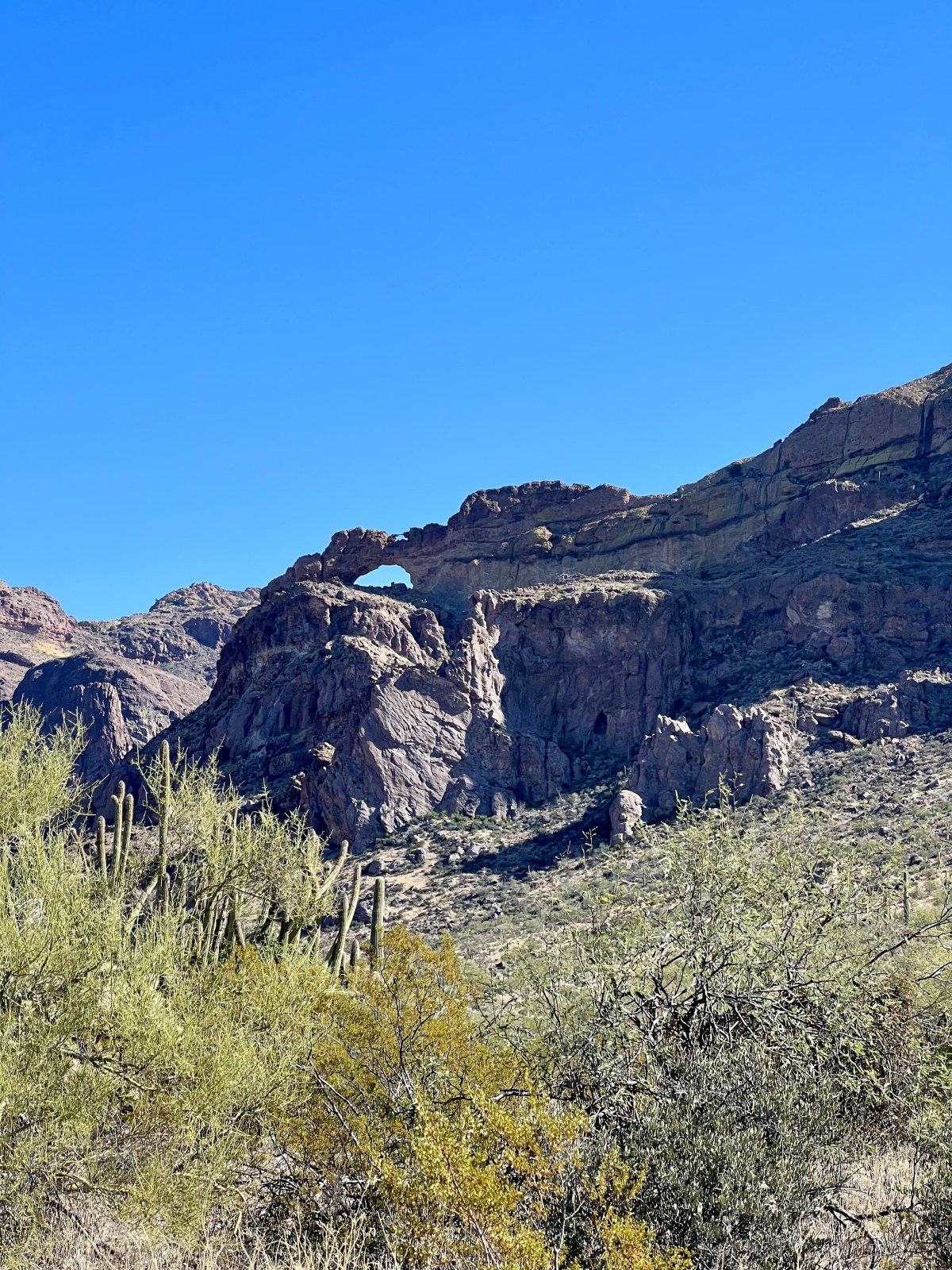
Arch Canyon Trail
Quick Stats:
Length:
3+ Miles
Route Type:
Out and back
Elevation Gain:
1,300 ft
Vaulted Toilets:
No
Dog Friendly:
No
Fee:
Yes
Difficulty:
Hard
Water:
No reliable water sources
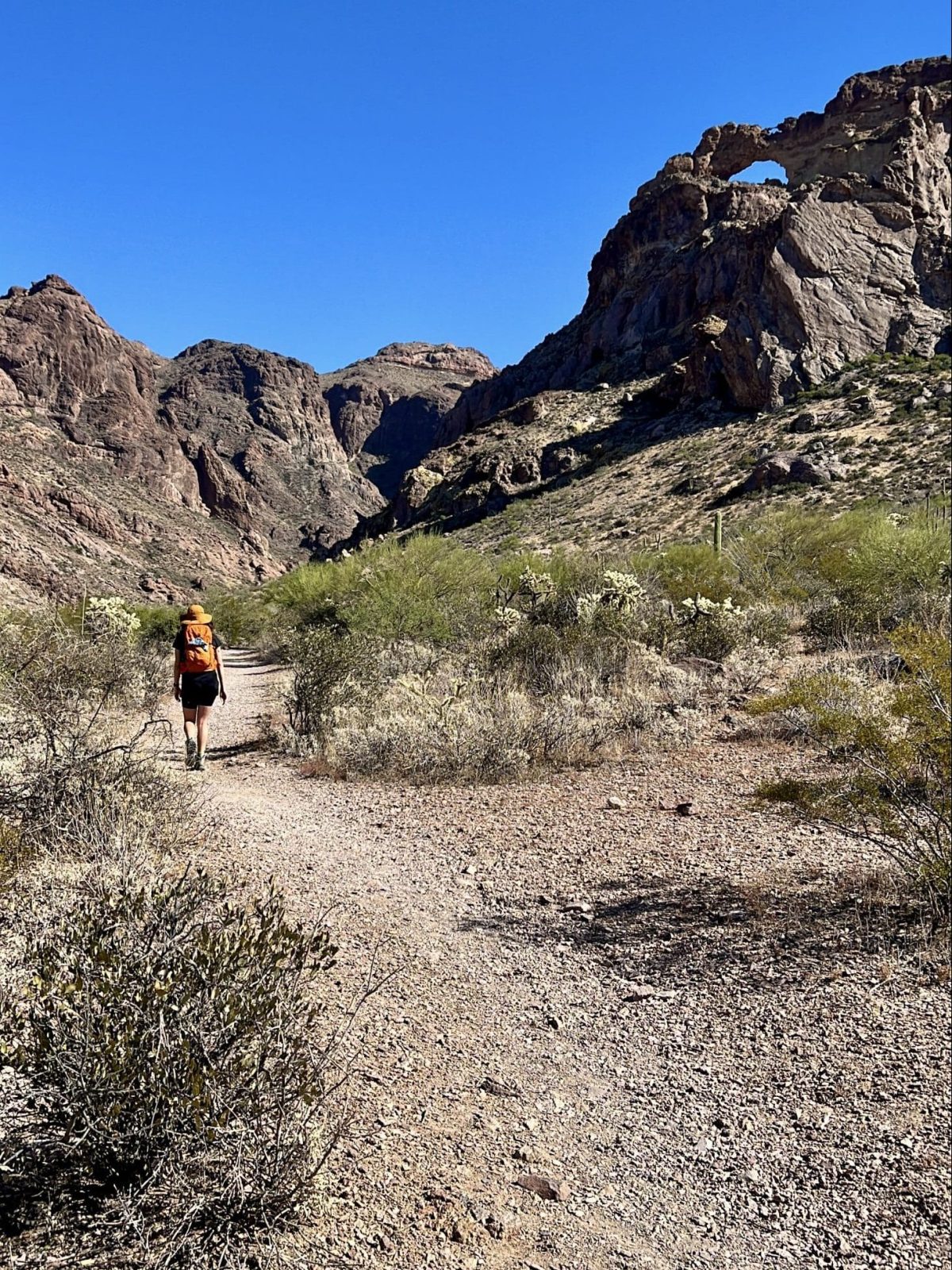
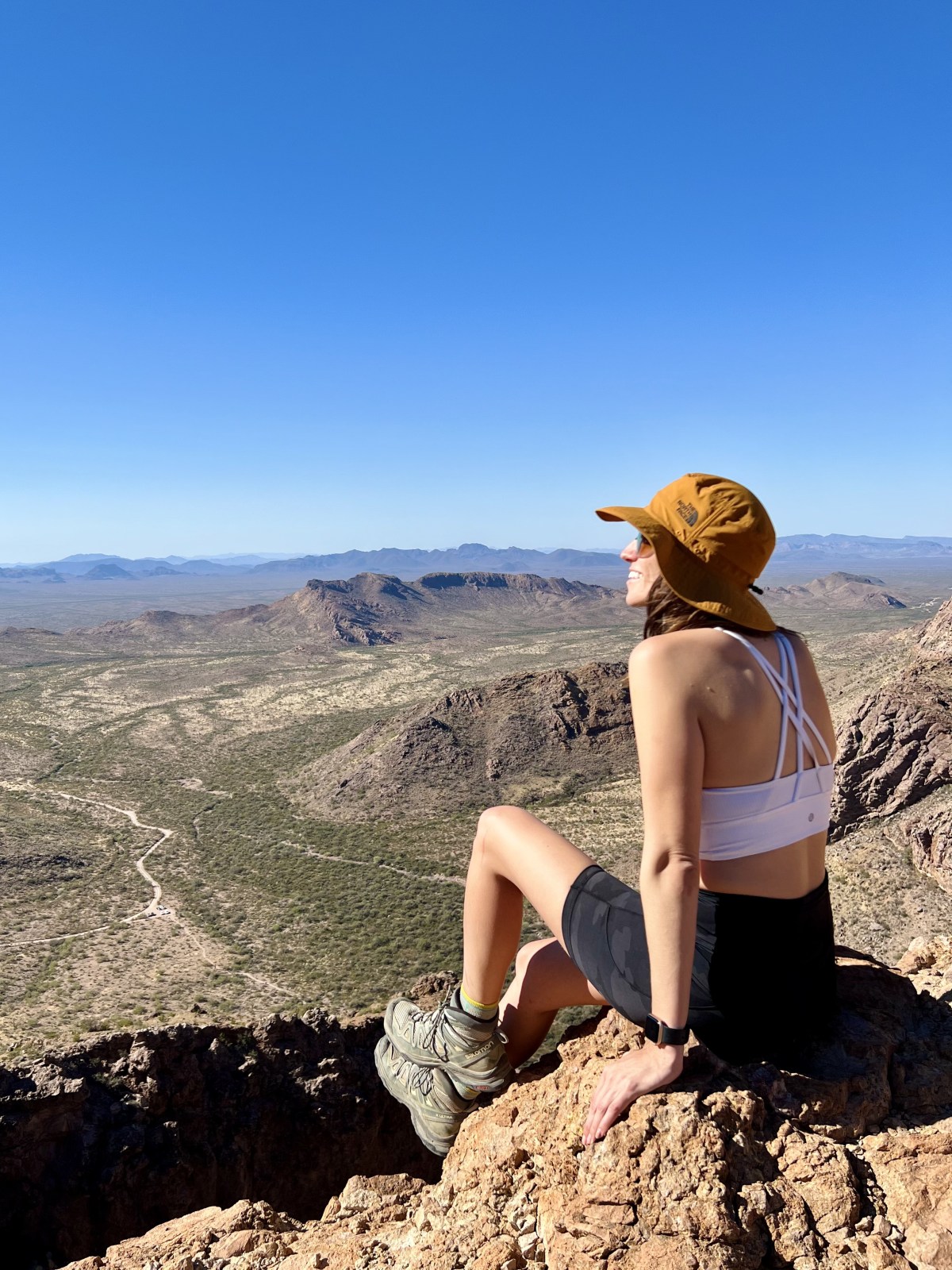
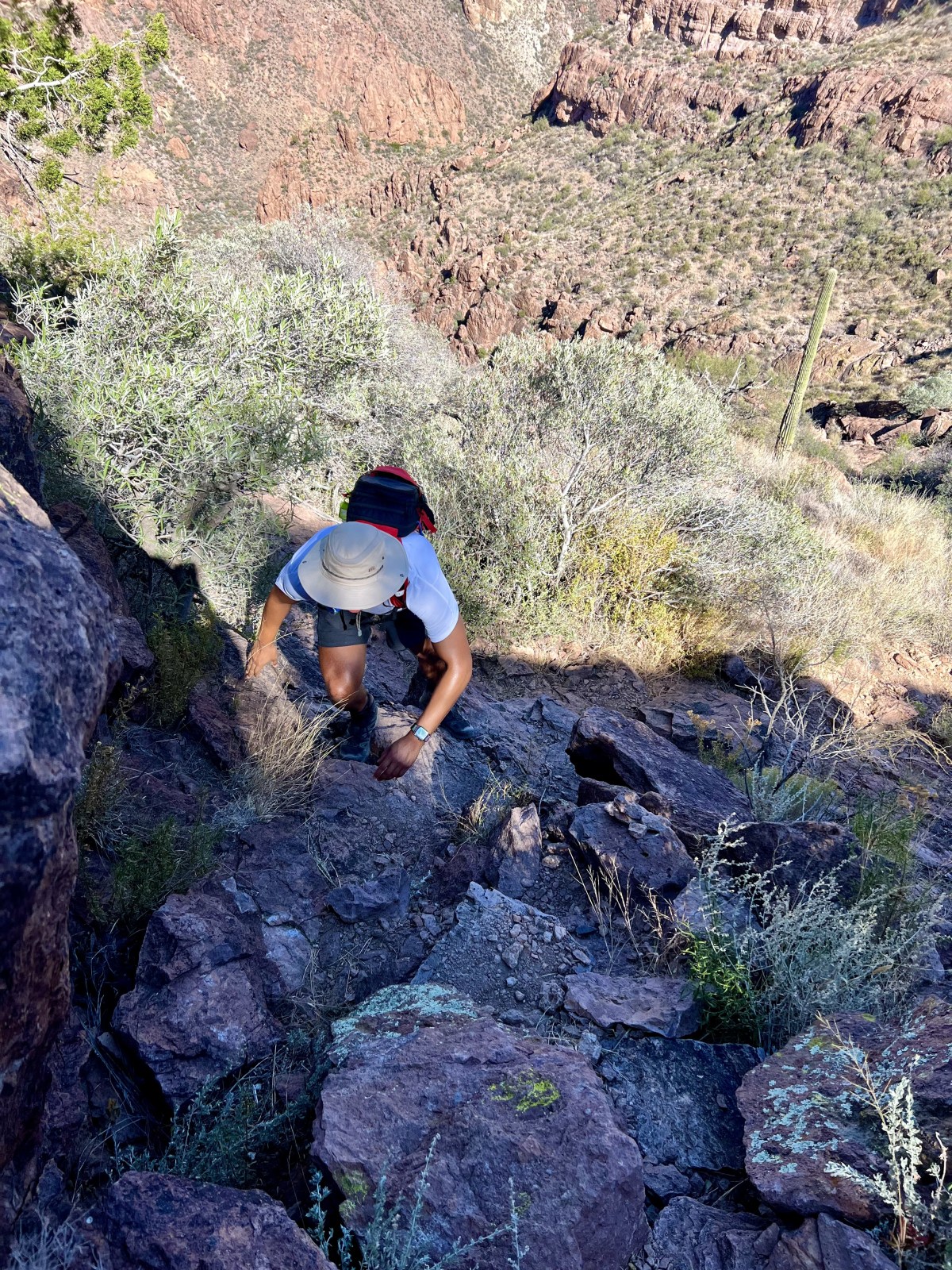
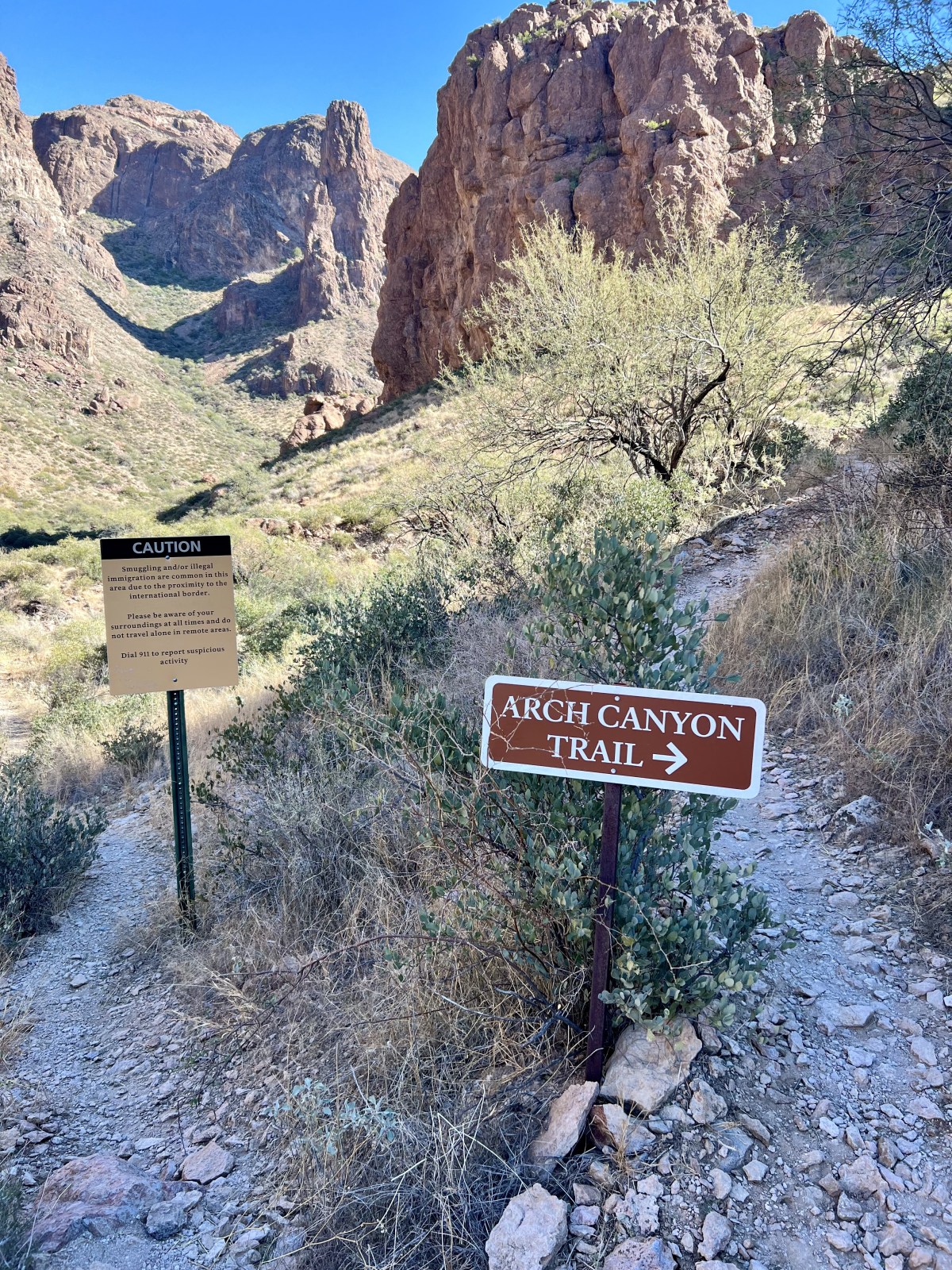
We hiked Arch Canyon Trail during our first visit to the park in November 2021. You can check out our Thanksgiving weekend trip here which also included visiting Tucson.




Alamo Canyon Drive and Hike
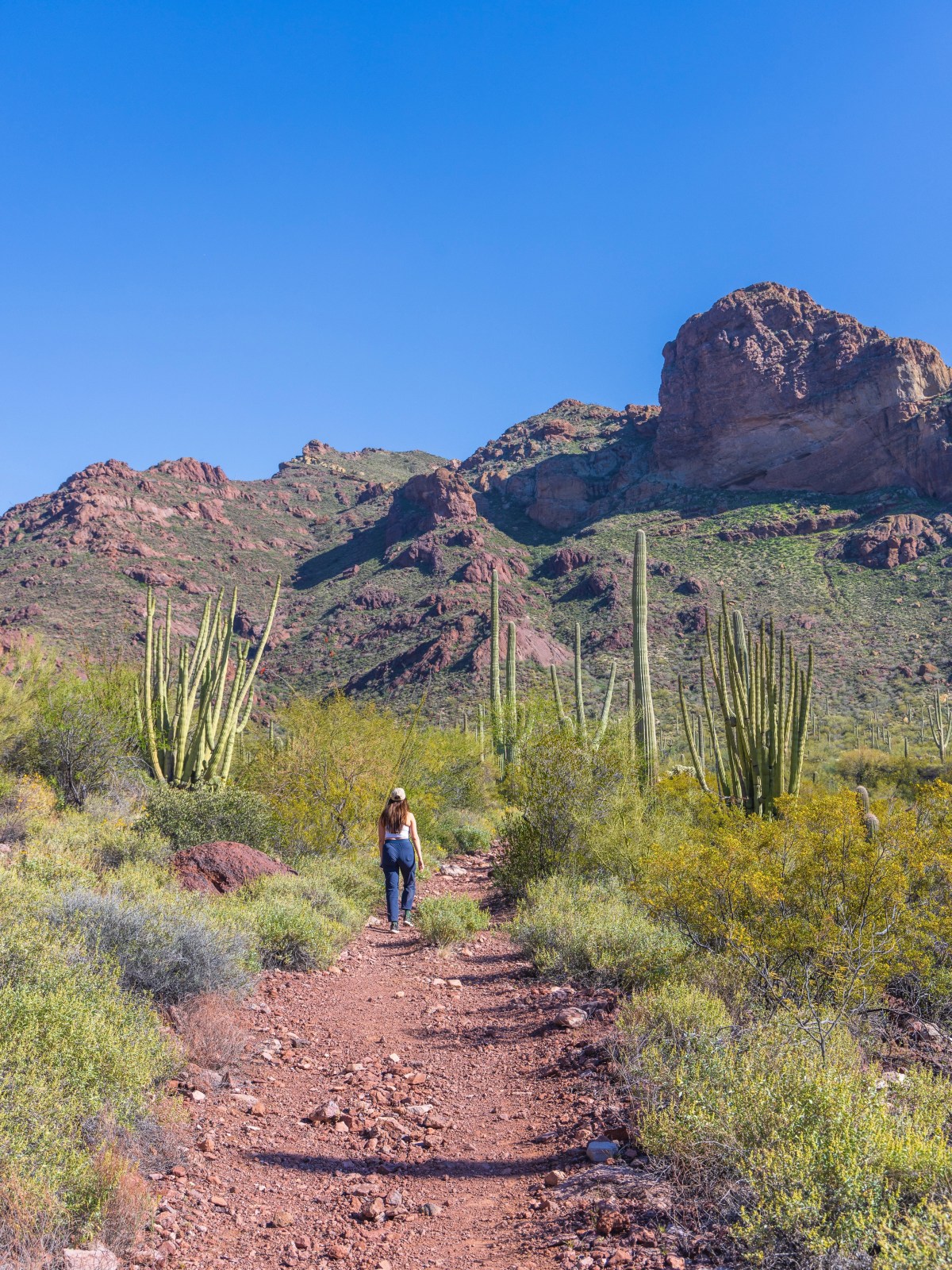
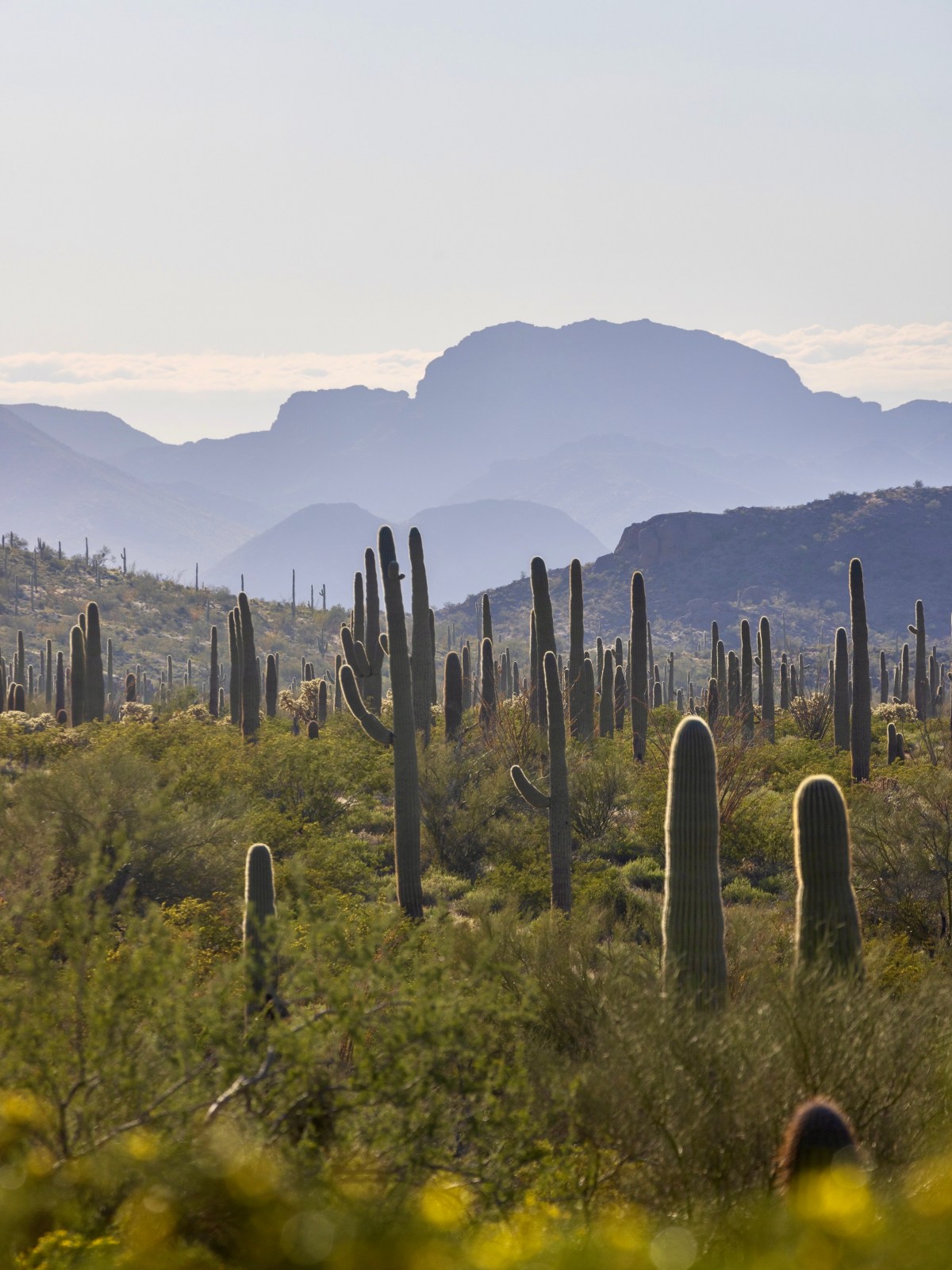
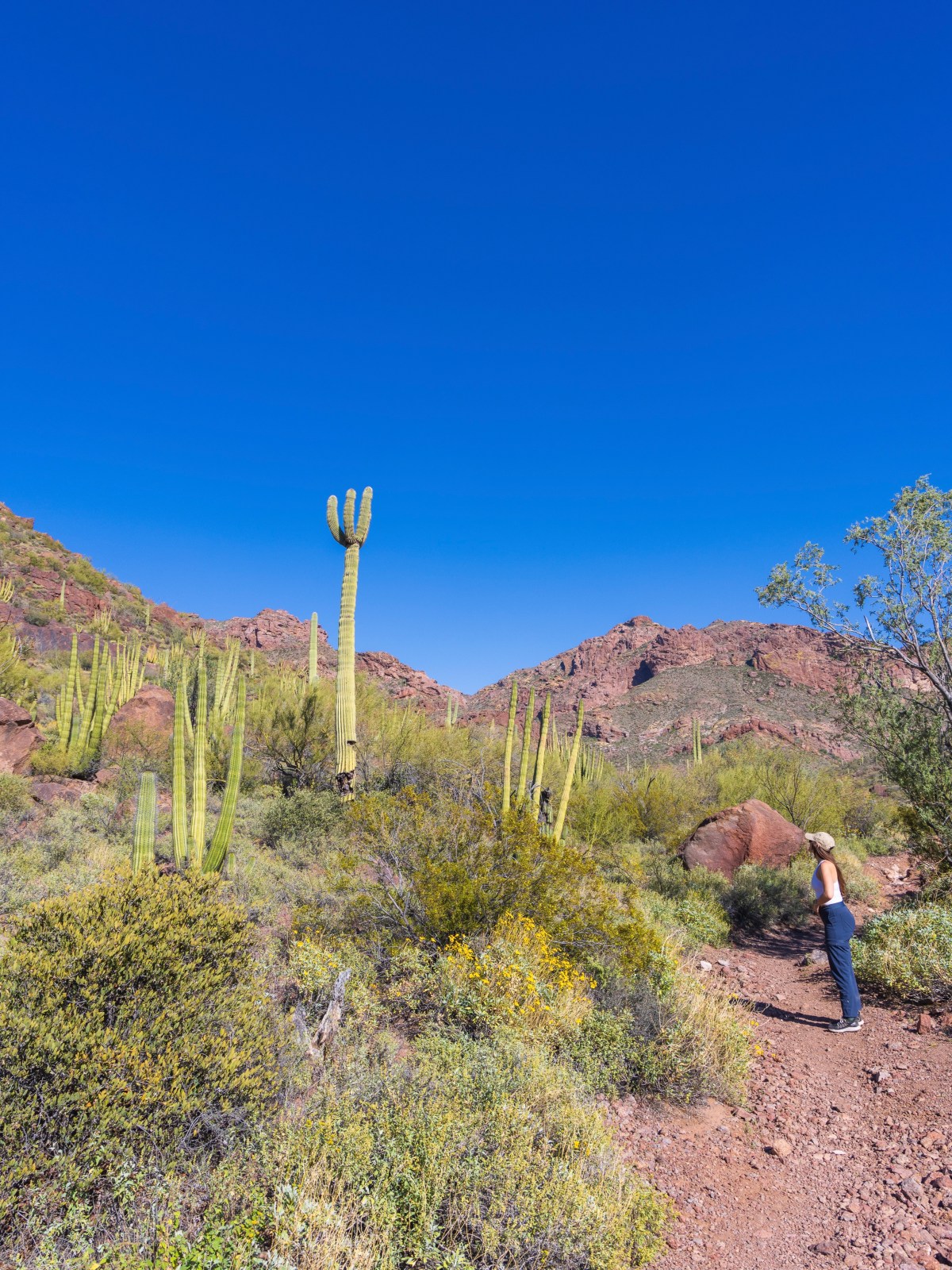
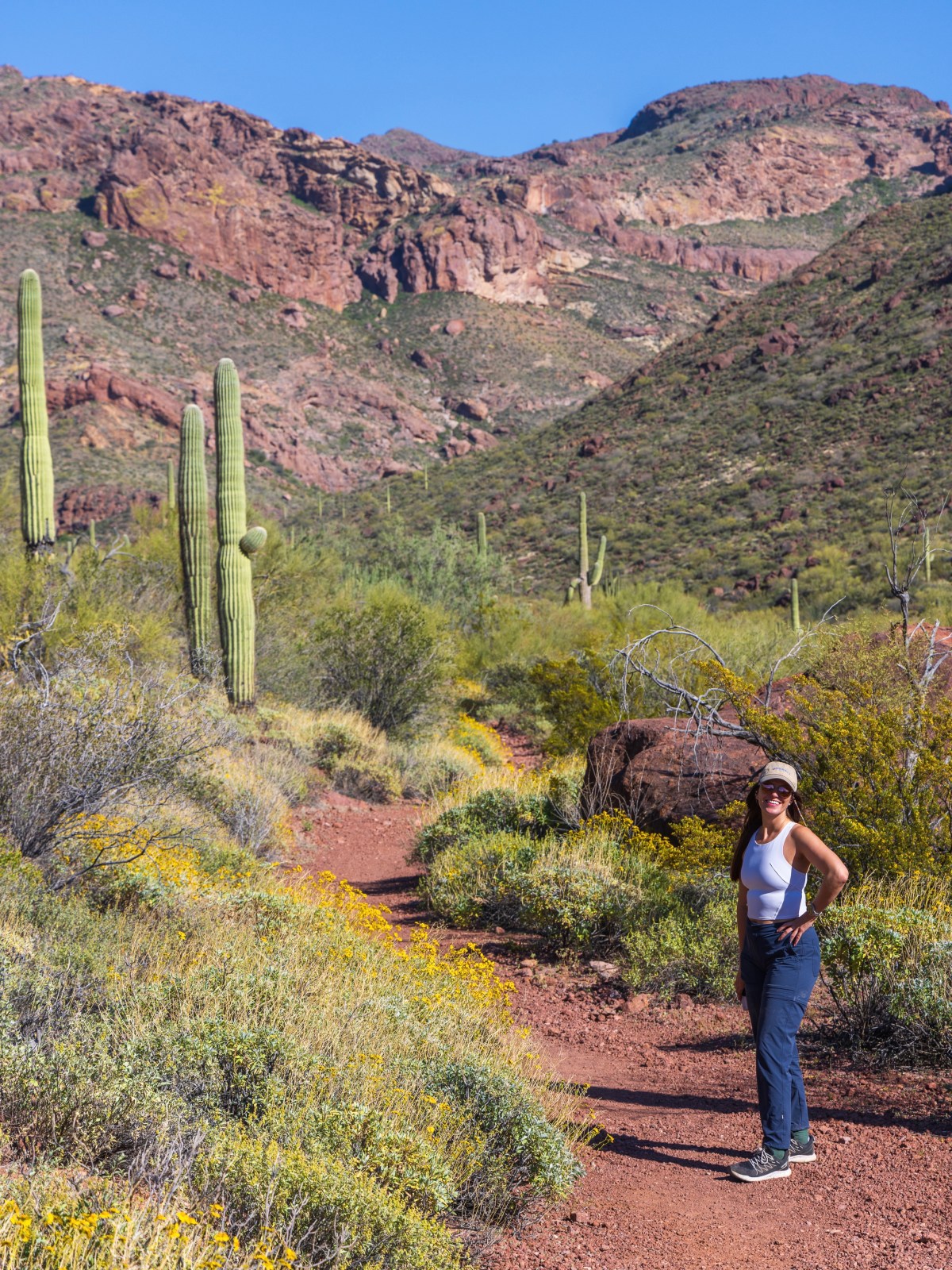
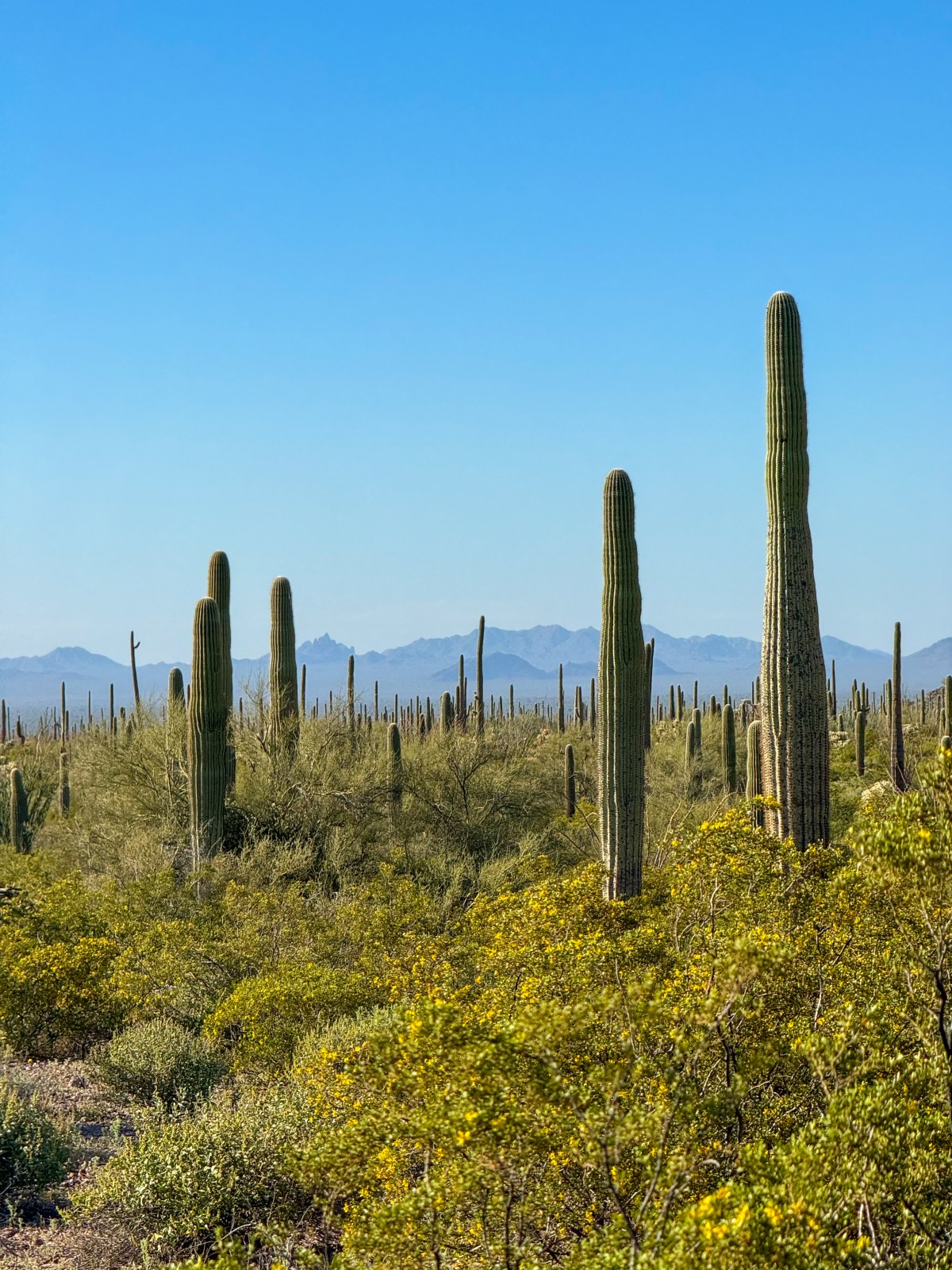
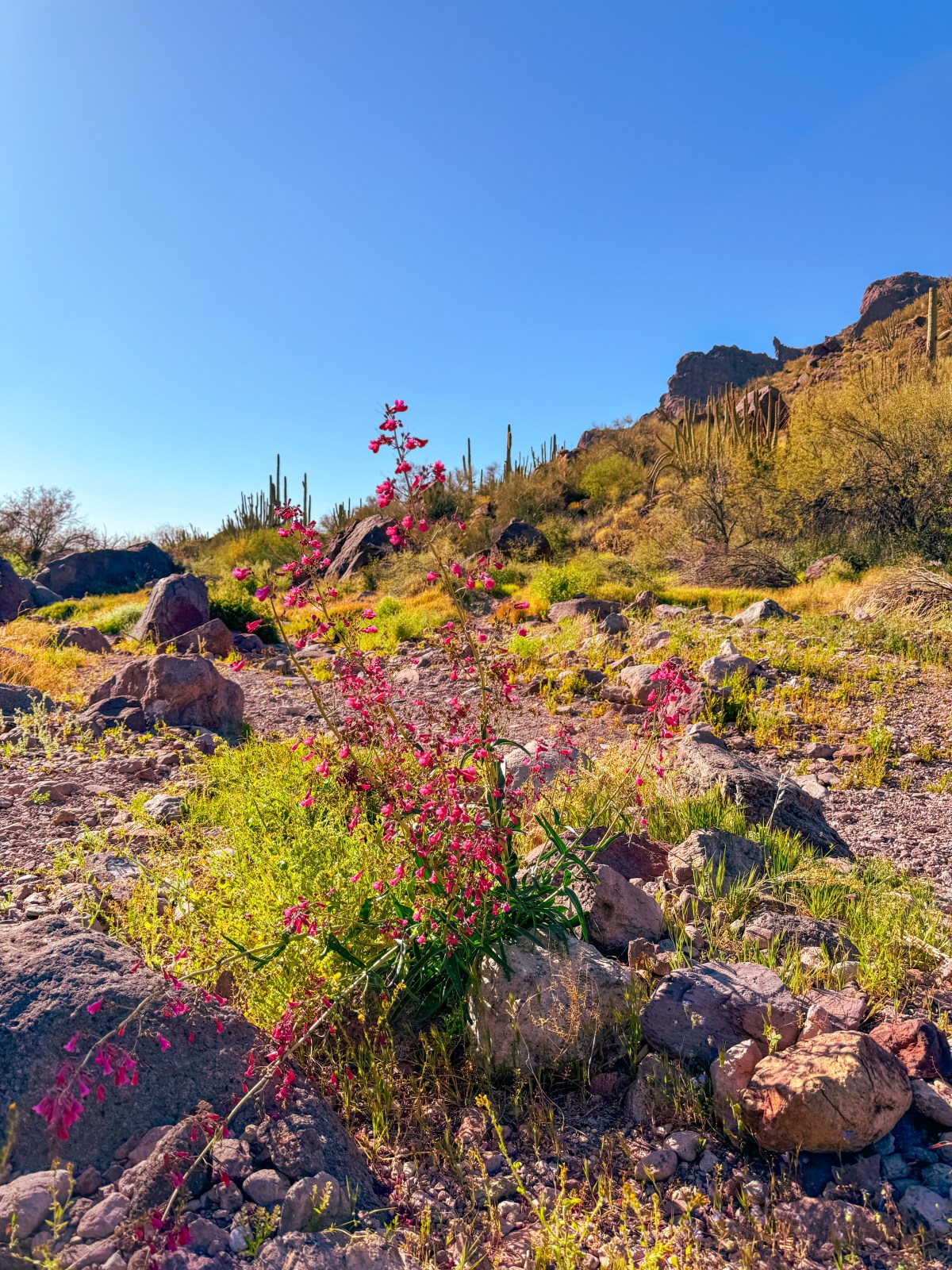
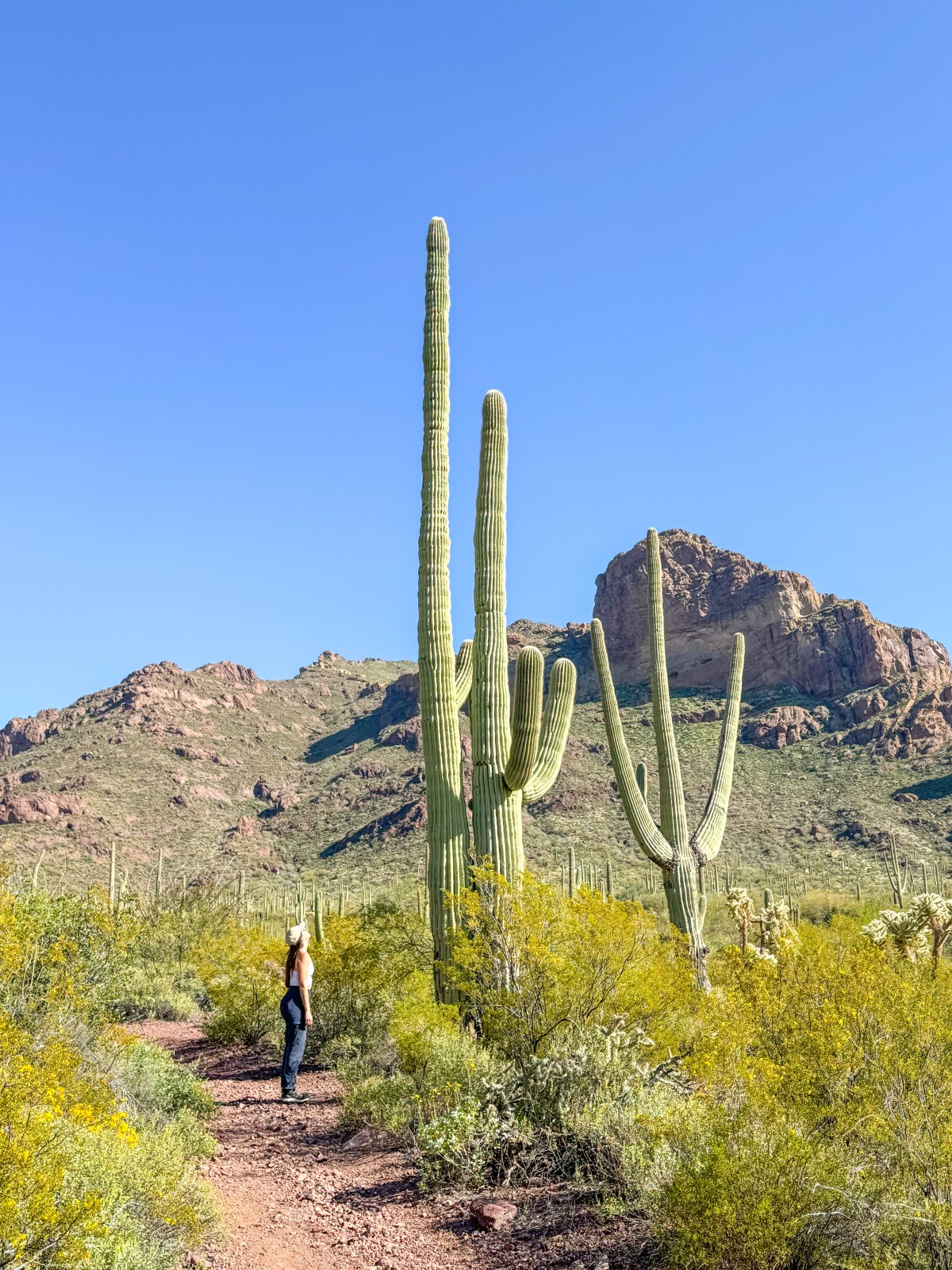
During our 2024 trip we started Saturday at Cabeza Prieta National Wildlife Refuge west entrance, which requires driving through OCPNM (more on that below). After exploring the wildlife refuge we came back to Organ Pipe Cactus National Monument via Bates Well Road and took Pozo Nuevo Road south to South Puerto Blanco Drive. We had plans to return to Ajo, change clothes, and then comeback at sunset. However, our way back we were looking at a map and saw Alamo Canyon and decided to make the stop because we had never been before. Truthfully, one of the best decisions that day! Even though it had been quite windy all day, the drive to the canyon was absolutely stunning and so was the hike.





Cabeza Prieta National Wildlife Refuge

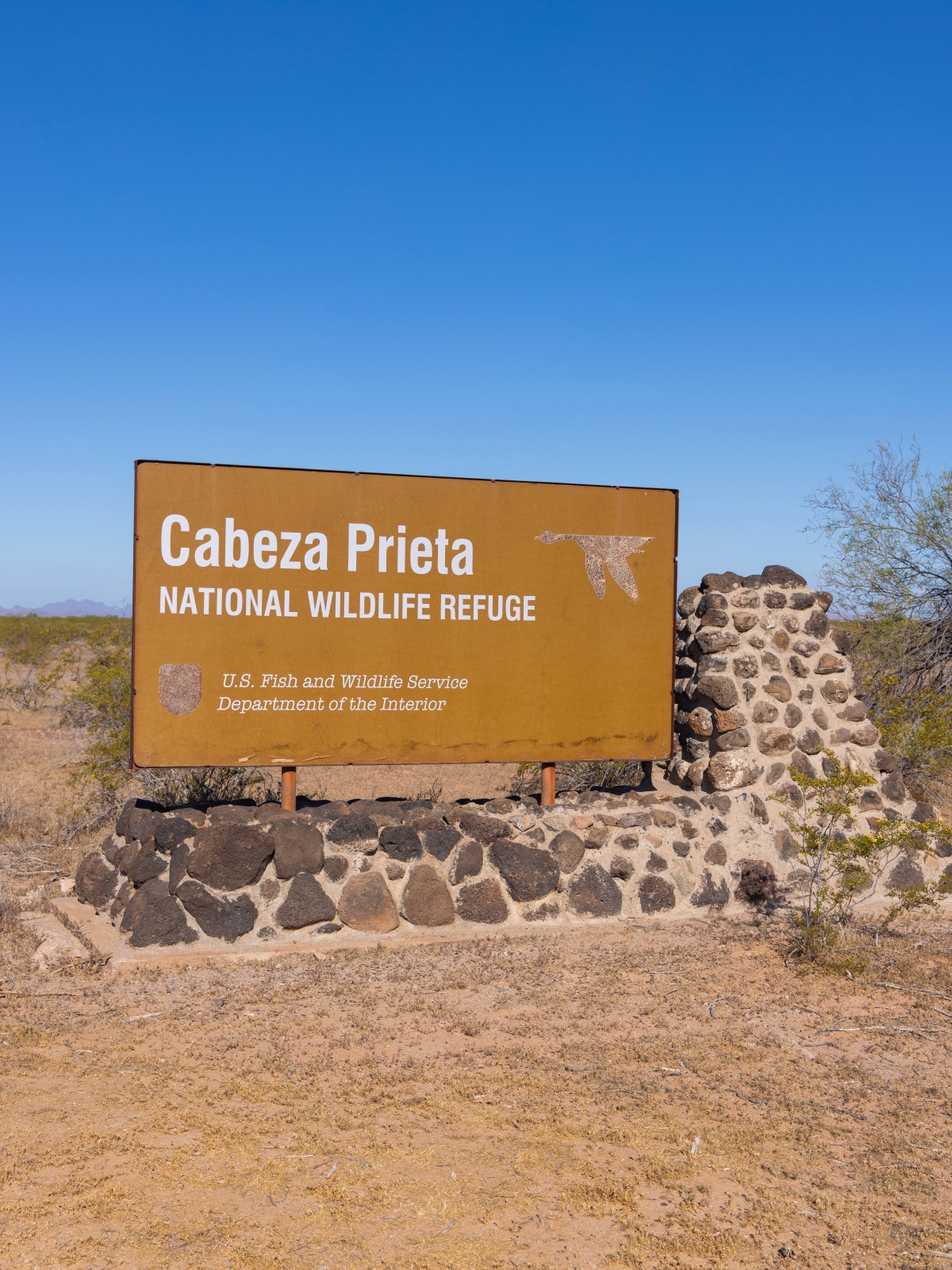
Arizona is home to 9 US Fish & Wildlife Service National Wildlife Refuges, Cabeza Prieta is one of them. In the beginning, the refuge as originally established in 1939 as a Game Range for the conservation and development of natural wildlife resources. The name Cabeza Prieta (in Spanish meaning “dark head”) refers to the distinctive lava-topped, granite peak in the western portion of the refuge – USFWS
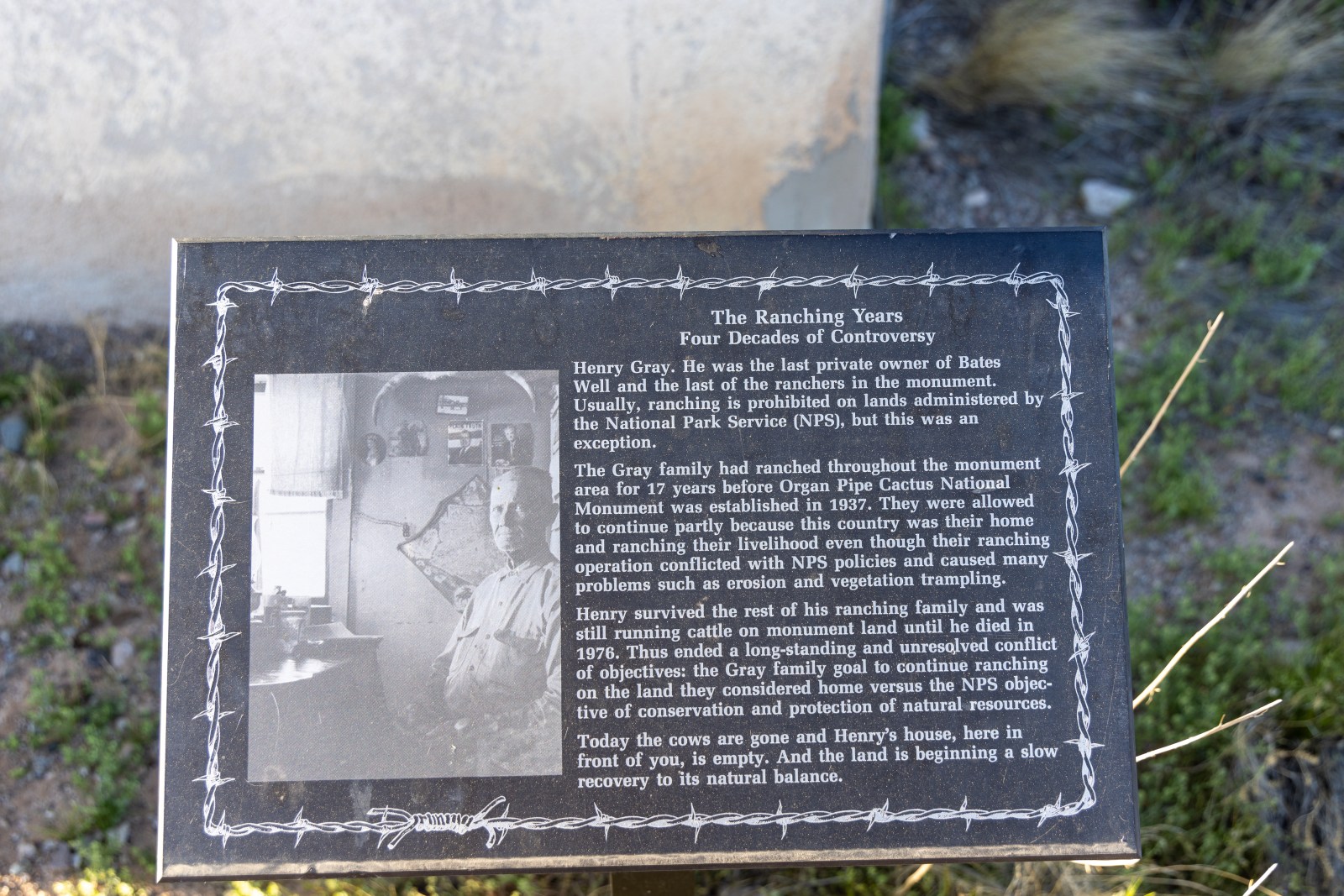
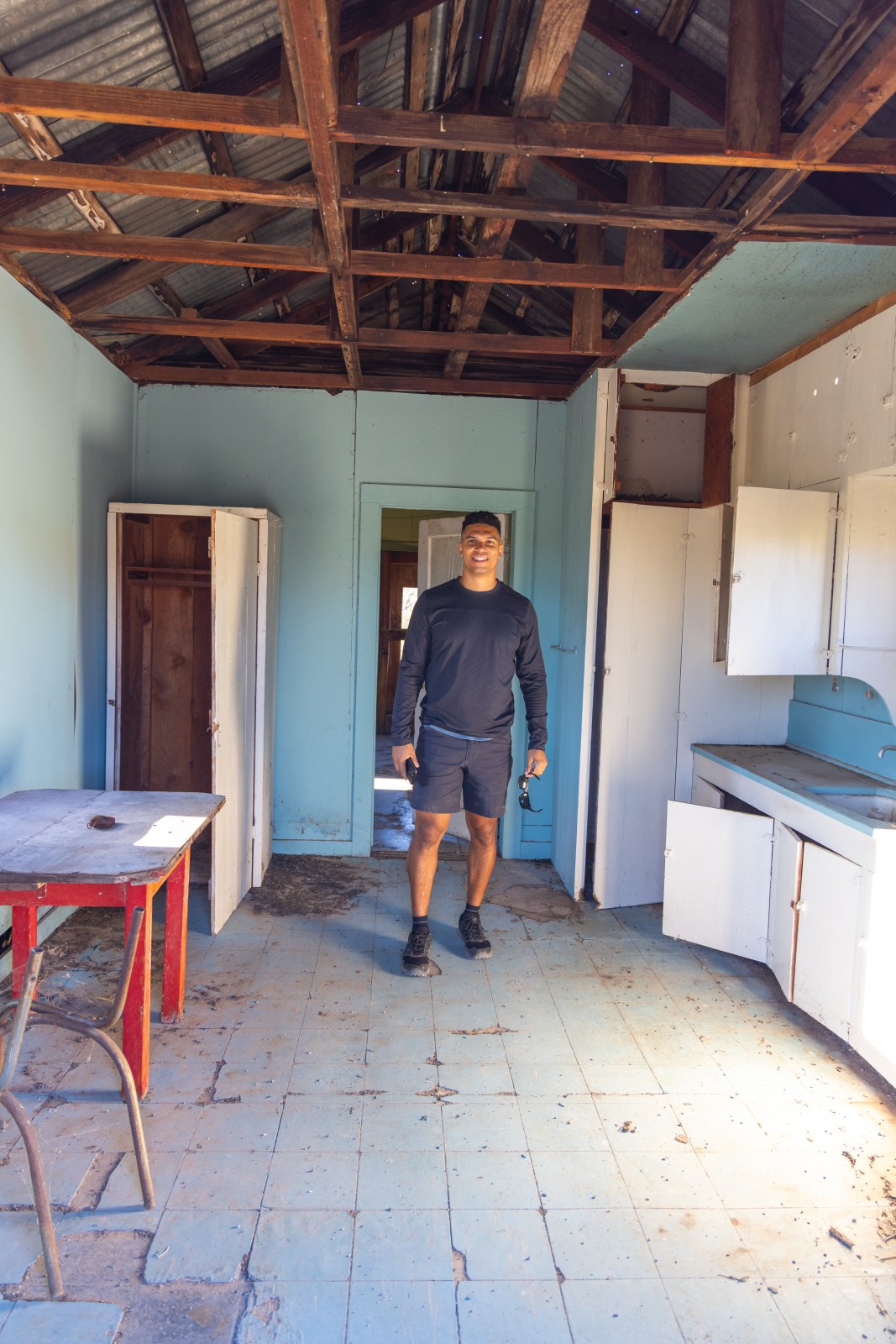
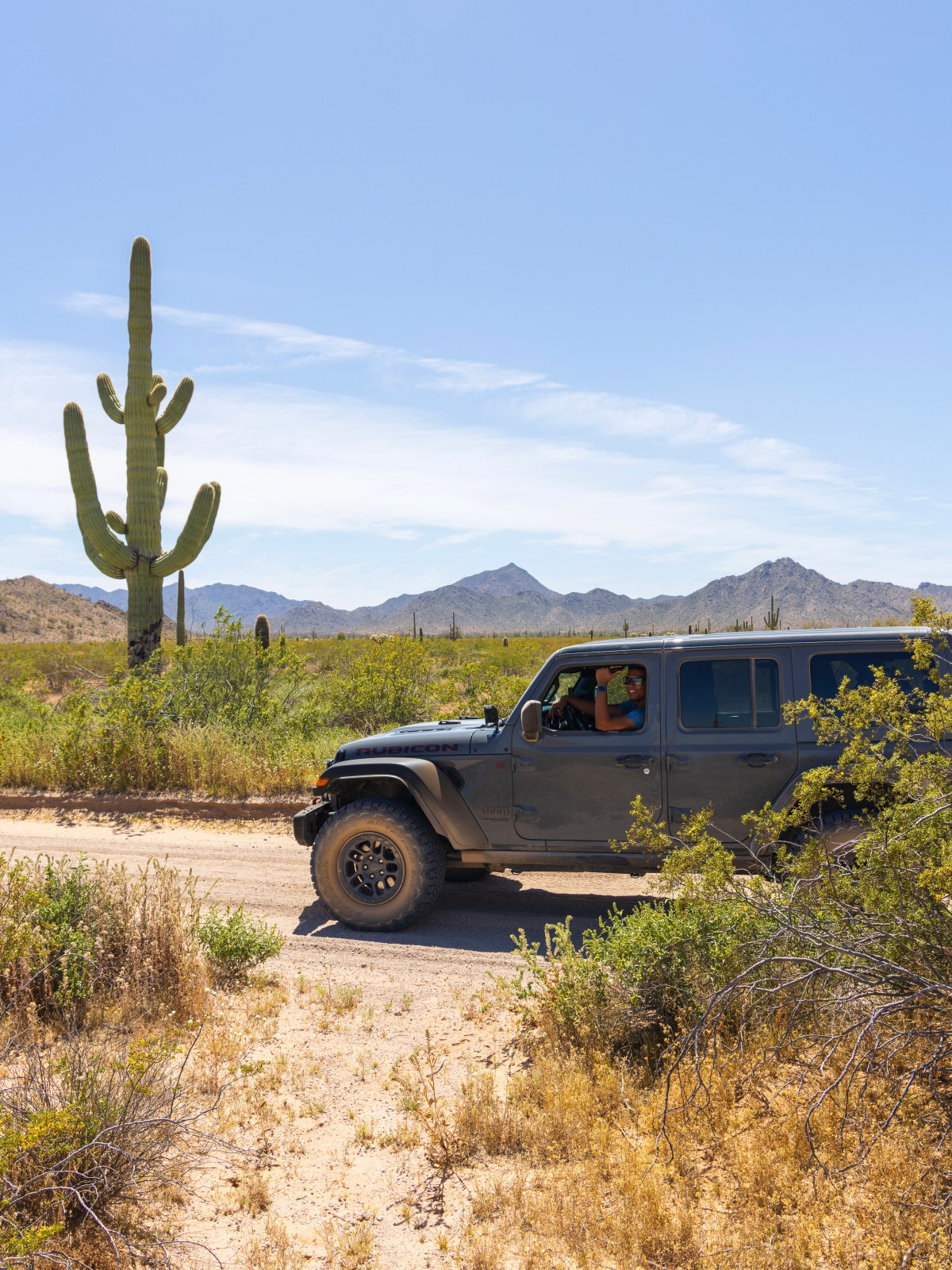
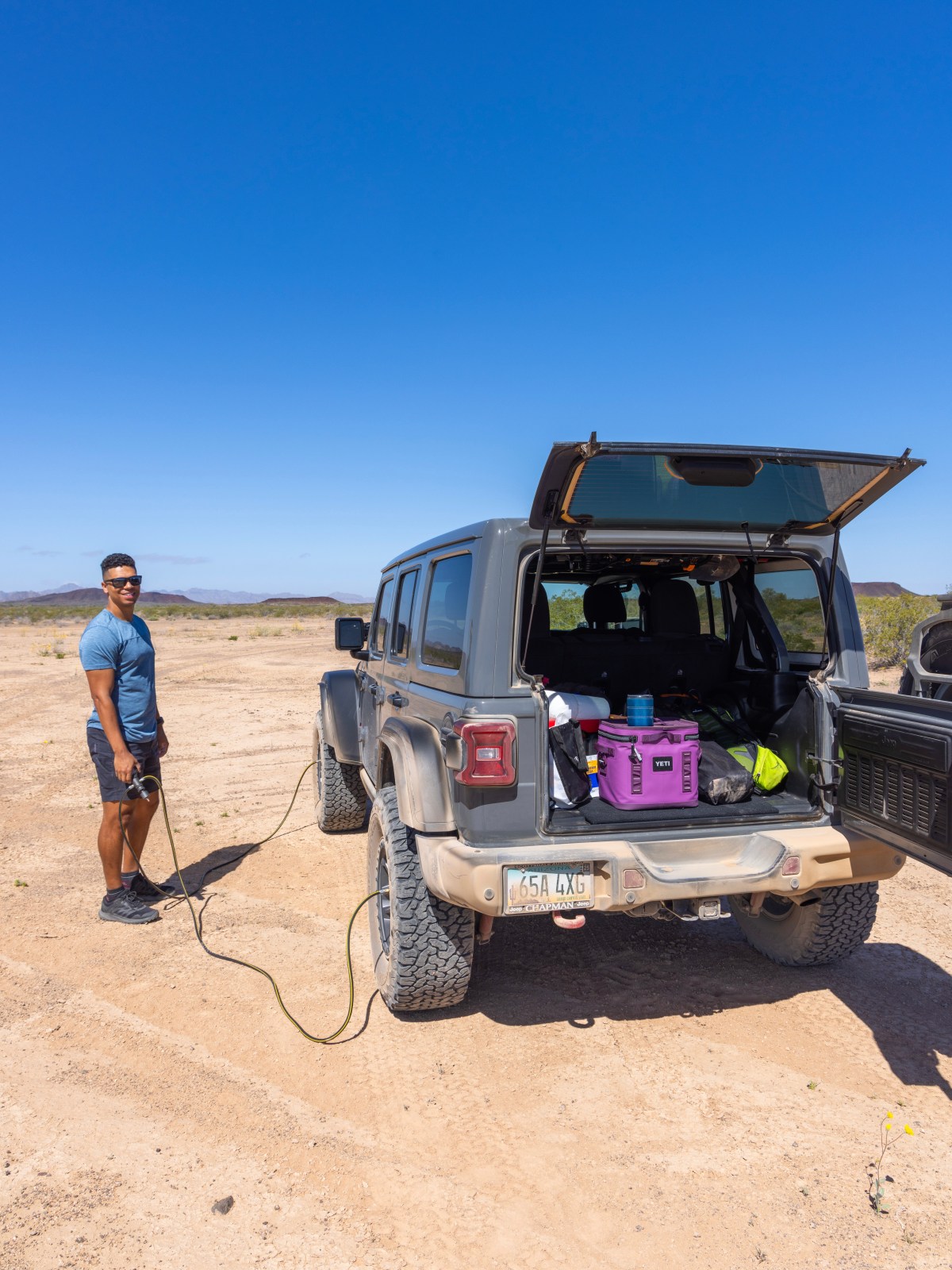
In 1975 Cabeza Prieta officially became part of the US Fish & Wildlife Service National Wildlife Refuge system. And 15 years later, 93% of the NWR became protected as wilderness under the Arizona Desert Wilderness Act. Because almost all of the refuge is designated wilderness, there are few roads for motorize vehicle travel. The most well known road is El Camino Del Diablo, which is a two-way road traversing the refuge from east to west. The historic road was a foot path long before vehicles existed and today requires high clearance and 4-wheel drive. To access the road from the east entrance you must travel through Organ Pipe Cactus National Monument on Bates Well Road. We stopped at the Bates Well to see the old homestead and make breakfast.
Bates Well Road & Homestead





Visiting Cabeza Prieta NWR
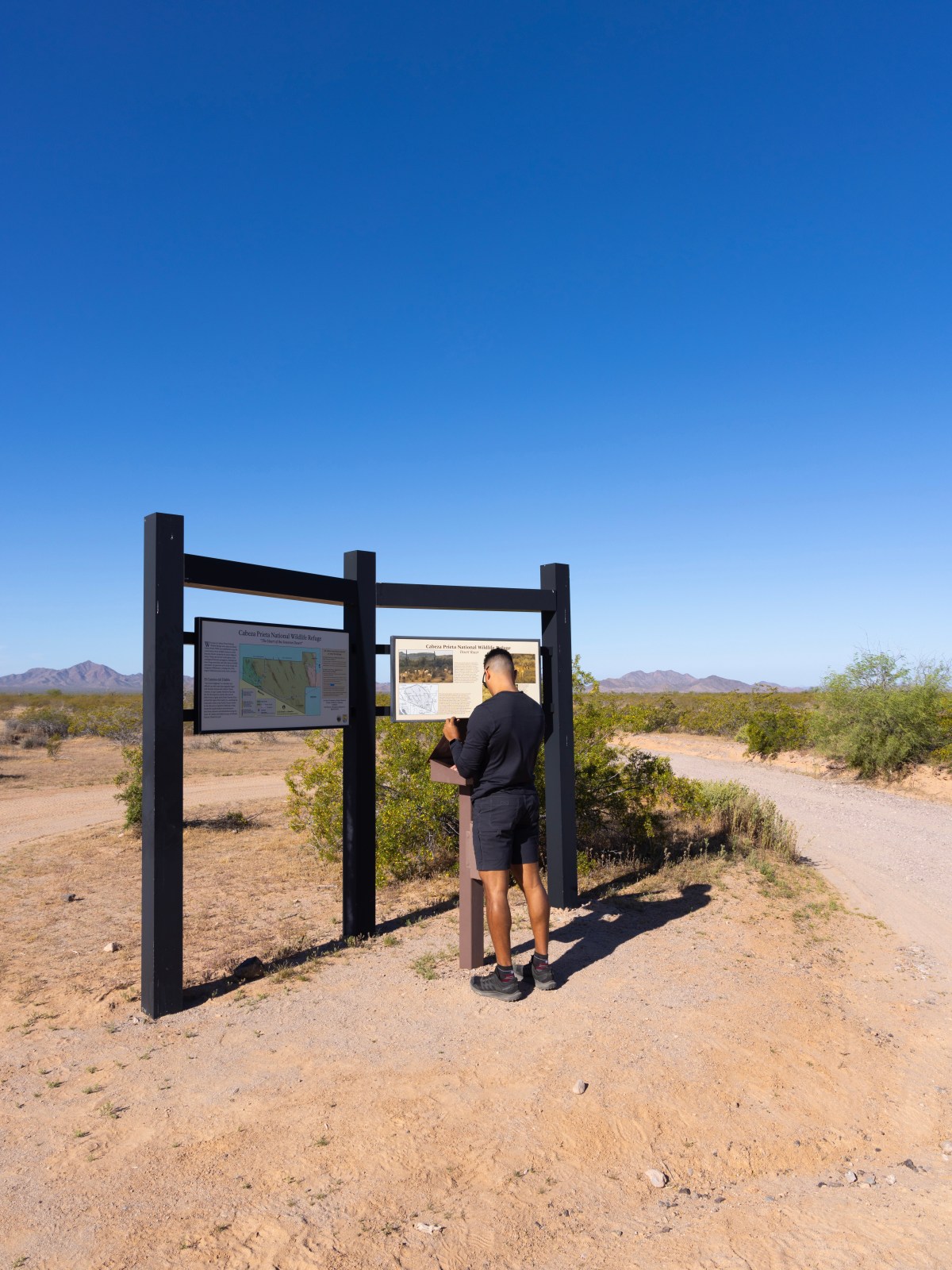
In addition to driving across the refuge, you can also hike and camp. There are no services or toilets on the refuge, so be prepared to pack out everything. While on the refuge you can also participate in birding or wildlife observation. You may see a big horn sheep in the mountains or if you’re very lucky, you might see the endangered Sonoran Desert Pronghorn. Because the refuge is within the US Marine Corps Barry M. Goldwater Range, a permit is required to visit. The permit is free and we’ll go over the process below. In addition to the permit, you are required to check-in online prior to visiting and fill out permit slips at the boundary kiosks.
Permit System


The Desert Pronghorn
The Sonoran Desert pronghorn is one of North America’s most endangered mammals. Unfortunately do to sever drought in southern Arizona in 2002, the Sonoran pronghorn population in the US dropped to about 21 individuals. Before urban development, the Sonoran pronghorn once traveled hundreds of miles to find food and water year round. Today, their habitat is fragmented by human made barriers, making it impossible to migrate to seasonally available food and water. Luckily, the refuge is working with partners like Arizona Game & Fish to bring the Sonoran pronghorn back from the brink of extinction. These actions include an interagency semi-captive breeding program, additional forage and a reliable water supply during summer months.

Charlie Bell Road
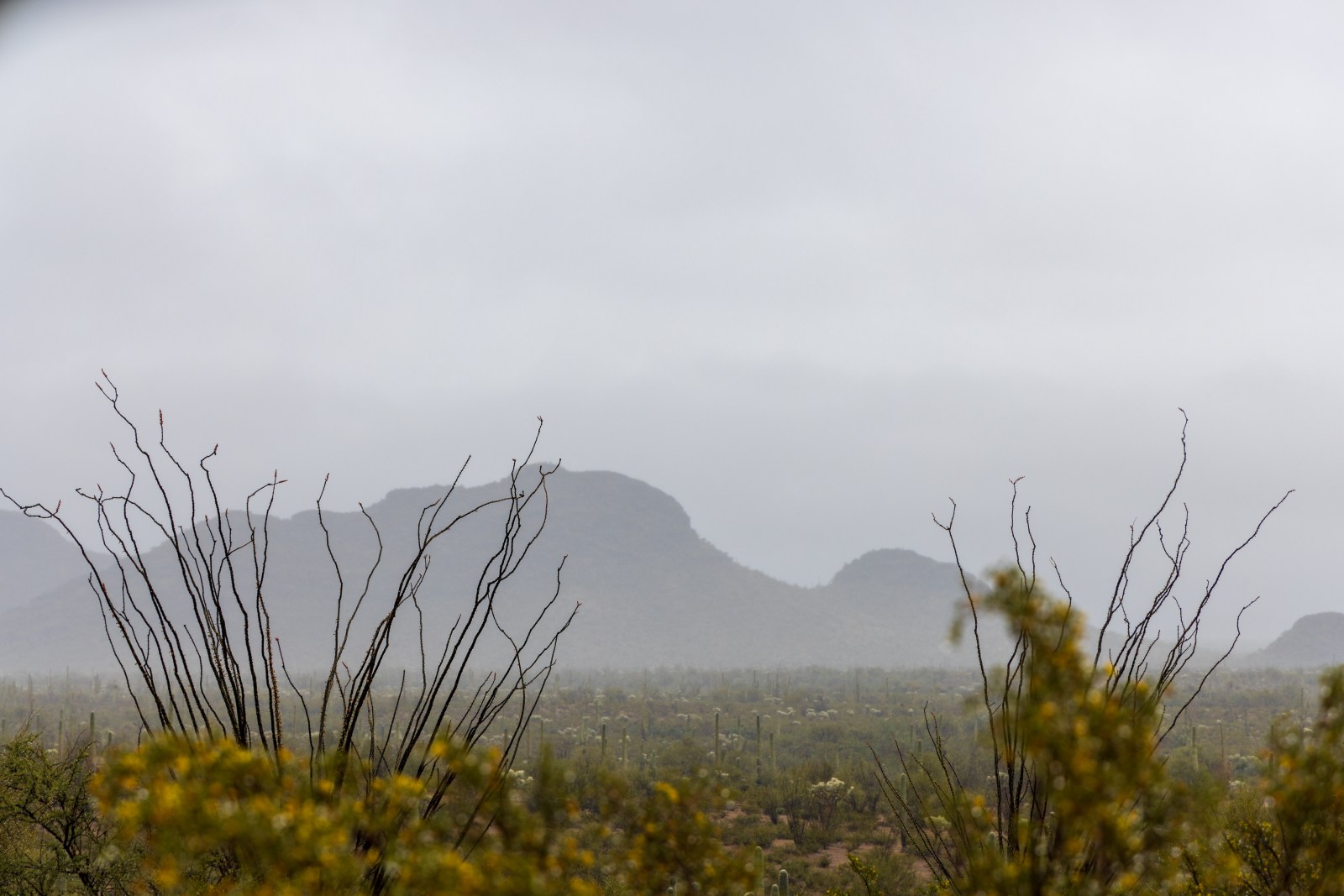
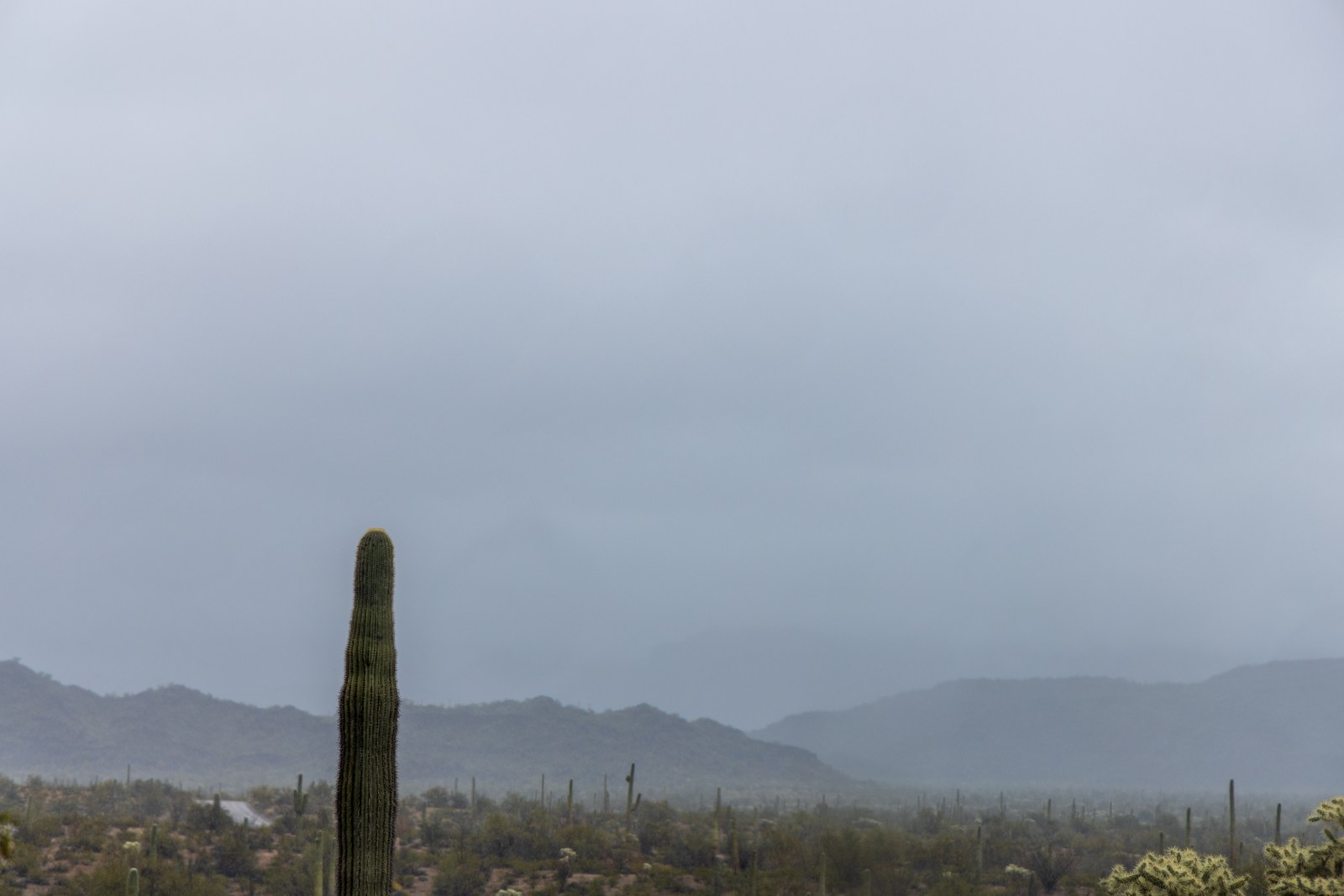
The captive breeding system can be seen from Charlie Bell Road on the north east section of the refuge. During our recent visit we traveled the road on a rainy day. The trip was a valuable reminder in the unpredictability of weather as we thought the rain was mostly done for the day, yet it hailed and rained during our drive. We had plans to hike to Charlie Bell Well at the end the road but the weather was so bad we just turned around. The USFWS says Charlie Bell Road doesn’t required 4WD or high clearance. We don’t necessarily agree with that assessment and recommend high clearance at a minimum, AWD, especially during inclement weather.


Where We Stayed
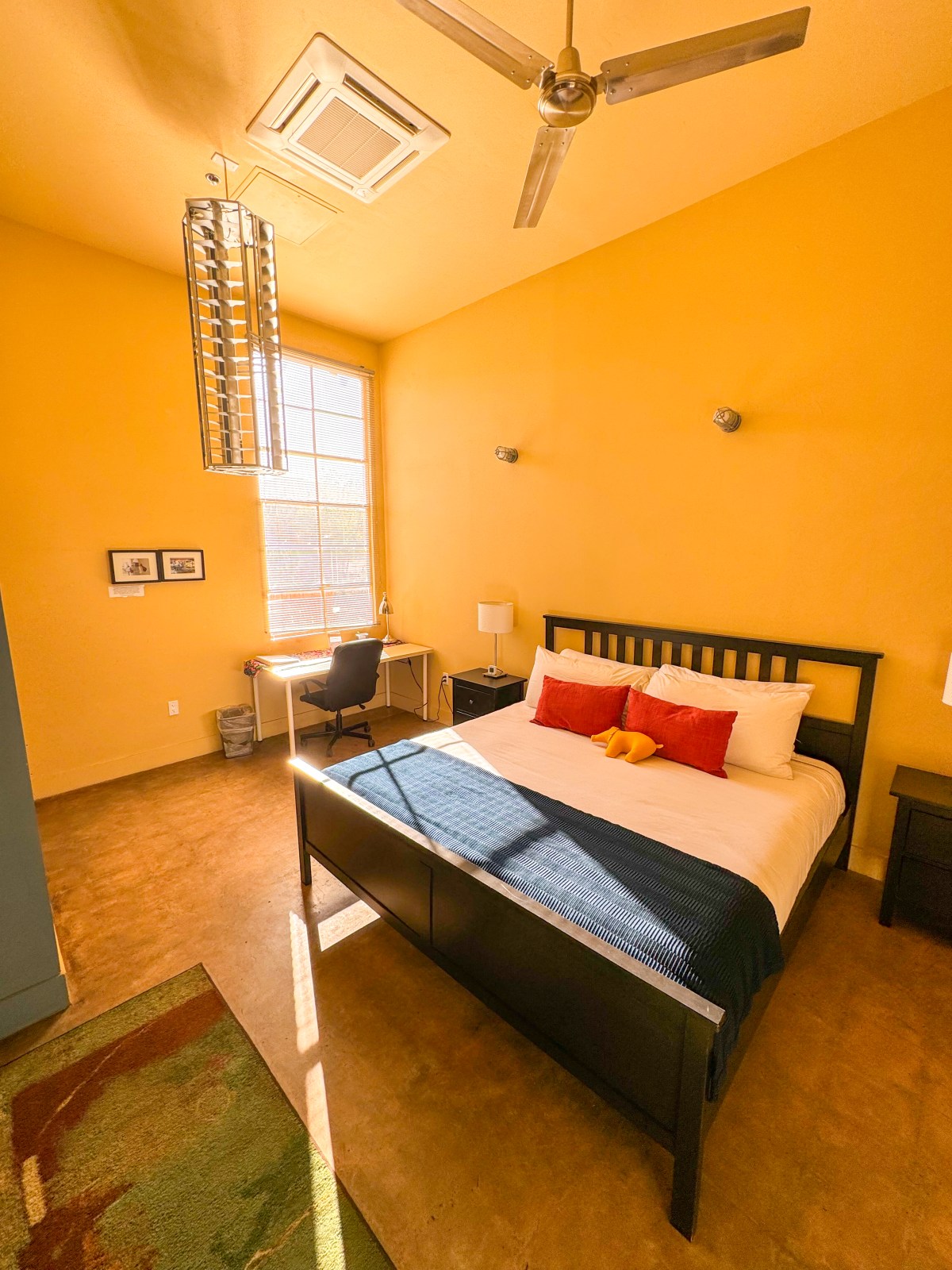
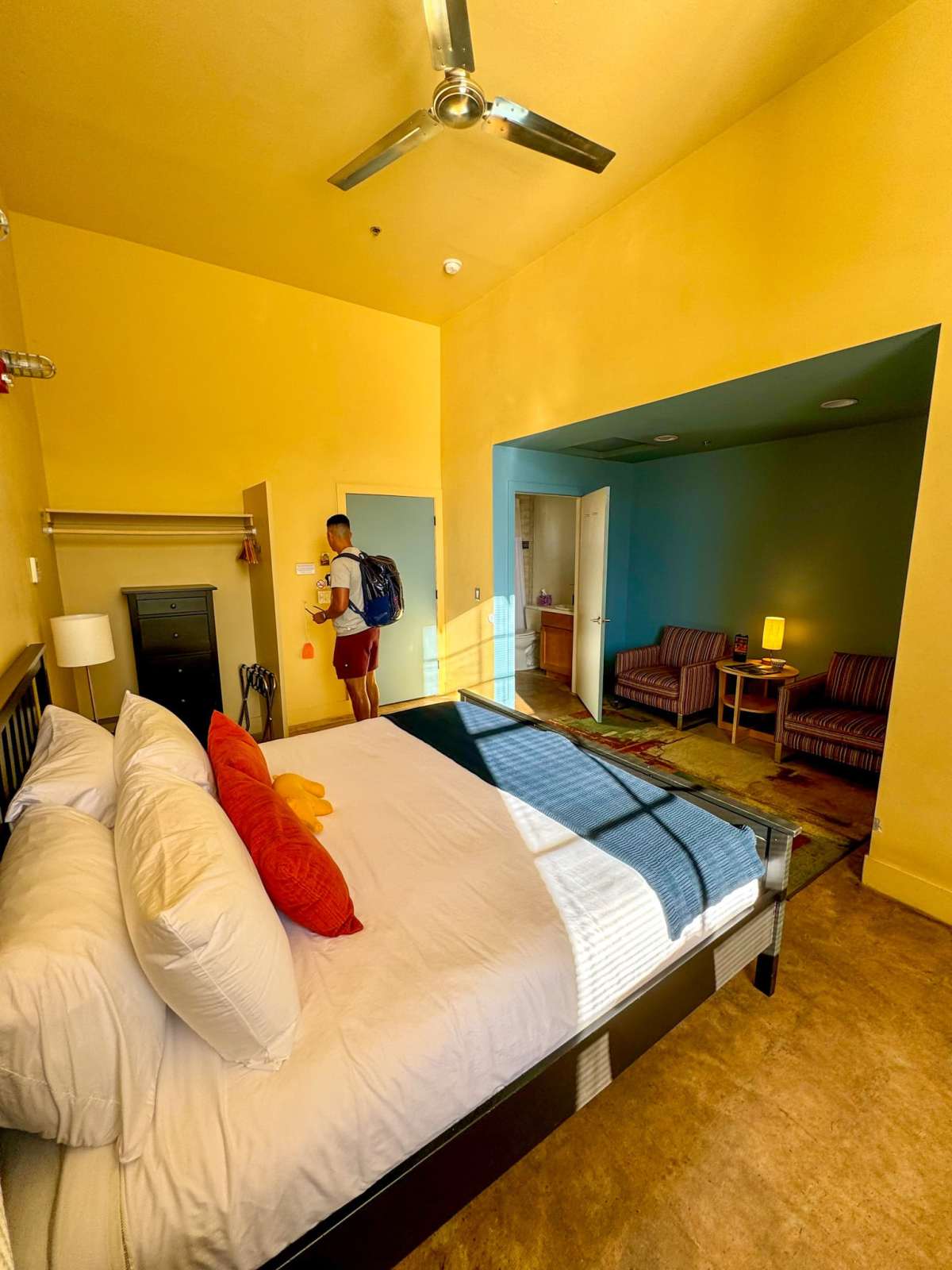
We stayed at the cute Sonoran Desert Inn Hotel which used to be a a school house. We highly recommend staying here! The town of Ajo is small, but cute. There is a coffee shop that we walked to from our hotel. There are a few restaurants in town, but be sure to plan ahead because some of them close early.